Jia Lissa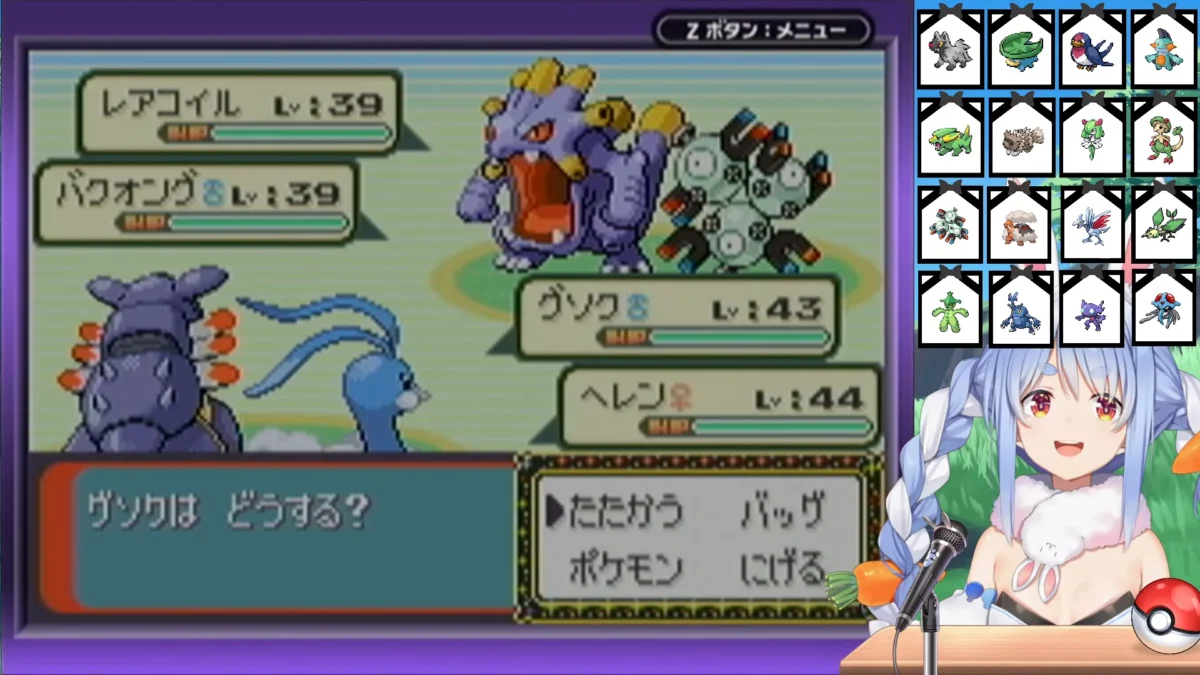
The intersection of classic gaming nostalgia, the booming VTuber industry, and strict Japanese intellectual property law has collided in a high-profile incident involving Hololive superstar Usada Pekora. What began as a fan-focused quest to revisit the GBA-era classic Pokémon Emerald has transformed into a cautionary tale regarding the legal risks of playing secondhand software in an era of heightened intellectual property enforcement.
The Catalyst: A Quest for a Rare Mythical Pokémon
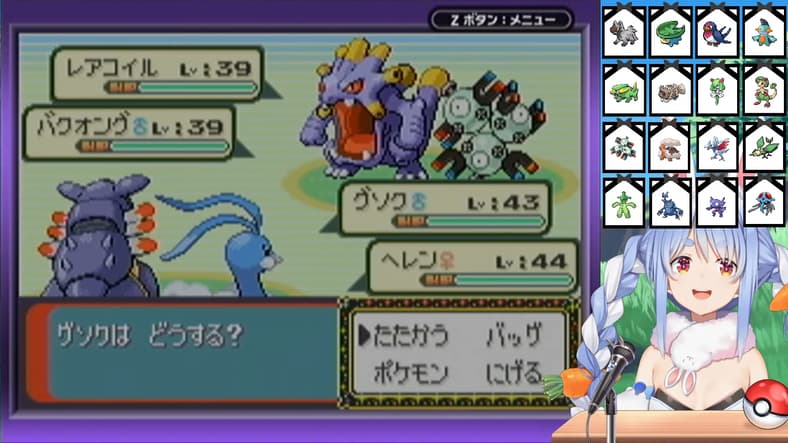
The controversy centers on a recent stream by Hololive talent Usada Pekora, in which she attempted to capture the Mythical Pokémon Mew in Pokémon Emerald. To ensure authenticity, Pekora went to significant lengths, sourcing physical, vintage copies of the game from online auction platforms, which she then played using a legitimate Game Boy Player peripheral on a Nintendo GameCube.
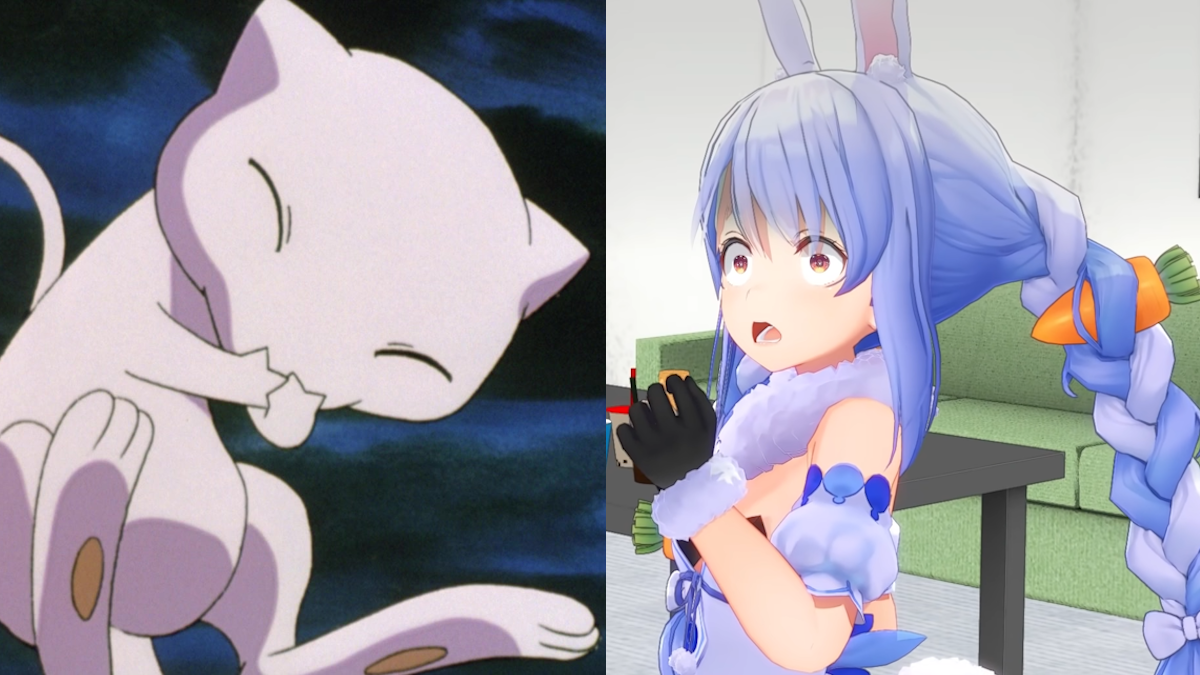
Pekora’s specific objective was to obtain the "Old Sea Map," a rare, event-exclusive item that allows players to travel to Faraway Island to encounter Mew. In the original 2005 distribution, this item was only available through specific, real-life promotional events. By securing a cartridge that appeared to contain the item, Pekora was initially delighted to share this "rare" experience with her audience. However, the discovery that the cartridge likely contained unauthorized, modified, or "hacked" data triggered an immediate and firm response from Nintendo.
Chronology of the Incident
The situation unfolded rapidly over the course of a single week in April:
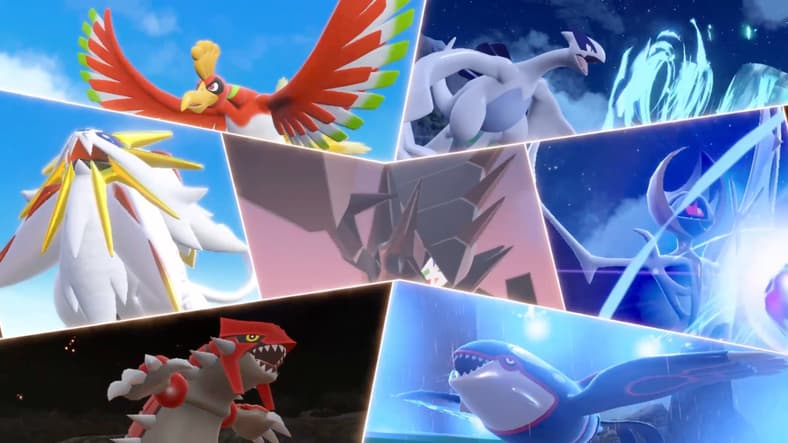
- The Stream: Pekora hosts a live stream playing Pokémon Emerald, celebrating the discovery of the Old Sea Map and the Mystic Ticket (which unlocks Ho-Oh and Lugia) on a vintage cartridge.
- The Backlash: Observers and fans notice technical anomalies in the game data. It becomes apparent that the cartridge, despite being an "official" shell, likely contained modified save data—a violation of both platform guidelines and, potentially, Japanese law.
- The Take-Down: Following consultations with Nintendo, Cover Corp (the parent company of Hololive) makes the entire stream video private, effectively removing it from public view.
- The Official Statement: Five days after the stream, Cover Corp issues a formal notice titled "Notice Concerning Response to Game Distribution Suspected of Violating Guidelines."
- The Resolution: Pekora addresses the issue in a follow-up stream, apologizing for the confusion and announcing that she has abandoned the search for the shiny Mew, opting instead to transition to a new playthrough of Pokémon FireRed.
Supporting Data: Why "Hacked" Carts Matter
To understand the severity of the response, one must look at the legal landscape in Japan. Since 2019, Japan has aggressively amended its Unfair Competition Prevention Act. The primary target was the burgeoning market for modified save files and unauthorized game modifications.
The law explicitly bans the distribution of tools and programs intended to alter save data, as well as the sale of serial numbers or products unauthorized by the original software manufacturer. Violators face stiff penalties, including fines of up to ¥5 million JPY (approximately $34,870 USD) and prison sentences of up to five years.
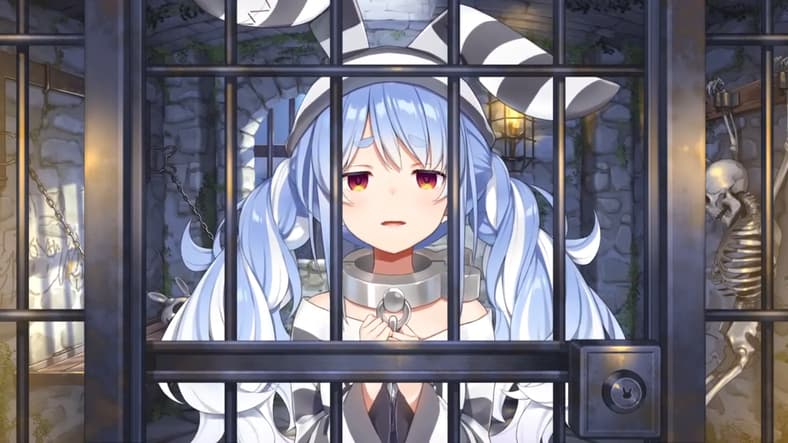
In recent months, the consequences have moved from theory to reality. In April 2024, a 36-year-old man was arrested for selling "perfect" hacked Pokémon for Pokémon Scarlet and Violet. Shortly thereafter, another individual was apprehended for selling hacked copies of Pokémon Sun. In a move that signaled a new level of judicial severity, a 58-year-old man was recently handed a suspended two-year prison sentence for selling modified Nintendo Switch consoles pre-loaded with pirated software.
For Nintendo, the goal is clear: they are sending a message to the public and potential bad actors that the sale and utilization of modified game data—even on "official" hardware—is a criminal infringement of their intellectual property.

Official Responses and Corporate Alignment
The response from Cover Corp was characteristically swift and professional, highlighting the delicate relationship between VTuber agencies and the gaming publishers that provide the content for their streams.
In their official statement, Cover Corp noted: "We have consulted with Nintendo Corporation… regarding the content of a recent game distribution that was suspected of violating the guidelines, and have been discussing how to respond."
The company confirmed that Nintendo requested the removal of the video to prevent "misunderstanding" among the fanbase. Furthermore, Cover Corp committed to a series of internal improvements:
- Refinement of Project Flow: Tightening the vetting process for games played on stream.
- Talent Education: Implementing mandatory training for all affiliated talents regarding copyright and game guidelines.
- Strict Adherence: A commitment to avoiding any future content that risks violating these guidelines.
Pekora, in her own address to her audience, demonstrated the pressure of these guidelines. "It’s honestly too suspicious, so I don’t know who is right," she stated. "It will be meaningless if it’s fake. So I just won’t do it. That’s the decision that I ended up with." Her pivot to Pokémon FireRed serves as a tactical retreat from a "grey zone" of vintage, potentially compromised software.

Implications for the VTuber Industry
The incident serves as a significant turning point for how VTubers interact with "retro" gaming. Previously, many streamers assumed that as long as they owned the physical hardware and cartridge, they were within the bounds of fair use. This incident proves that publishers—specifically Nintendo—view the integrity of the game data as being just as critical as the distribution rights.
1. The Death of the "Grey Market" Stream
For years, streamers have sought out used games on auction sites to find "special" save files. This practice is now effectively off-limits for major agencies. If a game is not available on an official digital service like Nintendo Switch Online, the risk of playing a "used" copy is simply too high for a corporation to manage.
2. Heightened Corporate Vetting
Expect to see a "chilling effect" on what games VTubers are permitted to play. Agencies will likely require staff to verify that physical copies are un-modded before they are allowed to appear on a stream. This adds a layer of administrative burden that may limit the spontaneity of retro-gaming content.
3. The Definition of Piracy
Nintendo’s stance remains consistent: there is no distinction between "using a pirated game" and "using a modified cartridge." By treating Pekora’s situation with the same seriousness as a large-scale piracy ring, Nintendo is signaling that they are monitoring even the most popular content creators for any deviation from their strict intellectual property policies.
Conclusion: A New Era of Digital Stewardship
The "Mew" controversy is more than just a minor incident of a streamer playing a hacked cartridge; it is a signal of a shifting regulatory environment. As VTubing continues to grow as a multi-million dollar industry, the lines between personal hobbyist gaming and corporate-sponsored broadcasting have blurred.
For fans of Usada Pekora, the incident was a disappointment, but it highlights the reality that in the modern digital age, "ownership" of a game does not grant the right to broadcast altered or suspicious data. As the industry moves forward, both agencies and creators will need to tread carefully, ensuring that their quest for nostalgia does not inadvertently trigger the ire of the corporate giants that own the very worlds they explore. For now, Pekora’s move to FireRed signifies a return to safer territory—one where the code is guaranteed, the rules are clear, and the stream can continue without the shadow of legal intervention.

 Reynand Wu