Layla Zulfa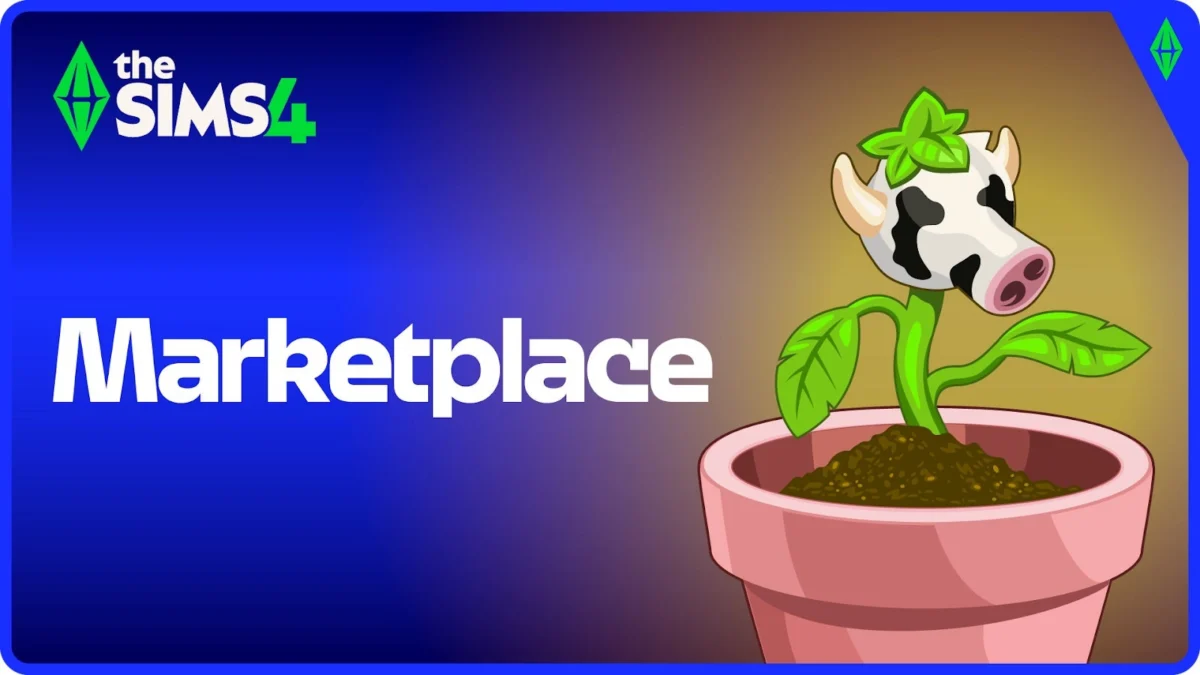
The landscape of The Sims 4 is undergoing a seismic shift. Developer Maxis and publisher Electronic Arts (EA) have officially announced the introduction of two significant, intertwined initiatives: The Sims Maker Program and The Sims 4 Marketplace. This move marks the franchise’s formal entry into the "paid mod" ecosystem, a development that has sent ripples of debate through a community that has spent decades relying on free, fan-made custom content (CC).
Starting March 17, PC and Mac users will gain access to these platforms, with a console rollout for PlayStation and Xbox users scheduled to follow in the subsequent months. This infrastructure fundamentally alters how players interact with community-created additions and how official EA content is distributed.
The Core Mechanisms: How the Marketplace Works
At its heart, the Marketplace is designed to be the central hub for all things Sims 4. While players are accustomed to navigating through various storefronts to purchase Expansion Packs, Game Packs, and Stuff Packs, these assets will now be consolidated within the Marketplace.
The Introduction of "Moola"
Central to this new economy is a virtual currency titled "Moola." Much like V-Bucks in Fortnite or SimPoints from the Sims 3 era, Moola is the required medium of exchange for purchasing "Maker Packs" and the newly exclusive category of Sims 4 Kits.
While players can still acquire traditional, large-scale DLC (Expansion and Game Packs) via standard currency methods, the integration of Moola represents a transition toward a microtransaction-heavy model. EA has confirmed that Moola will be sold in tiered denominations, a familiar strategy in the gaming industry designed to encourage spending by decoupling the purchase from real-world currency values.
The Maker Program and Creator Revenue
The Maker Program serves as the gateway for community creators to monetize their work. By applying to the program, modders and CC creators can submit their content to be vetted, tested, and eventually sold on the Marketplace.
According to official documentation, once a creator is accepted, they gain access to the "Maker Suite"—a specialized set of tools provided by Maxis. These tools are intended to ensure that custom content is optimized for various platforms, particularly for console stability. Creators retain a degree of control over the pricing and packaging of their "Maker Packs," which can feature Build/Buy items or Create-a-Sim (CAS) assets. Notably, creators will receive approximately 30% of the revenue generated from their sales, while EA retains the remainder to cover hosting, platform maintenance, and curation.
A Chronology of the Transition
The road to this announcement has been paved with years of speculation regarding the longevity and monetization of The Sims 4.
- Pre-2024: The community operated under an "open" modding environment, where creators shared work via platforms like Patreon, Tumblr, and CurseForge. While some creators utilized "early access" models (releasing content behind a paywall for a limited time), the core ethos of the modding community remained focused on free, accessible additions.
- Early 2025: Rumors began to circulate regarding a "unified storefront" for the franchise.
- March 5, 2025: EA opened the application process for the inaugural class of Makers.
- March 17, 2025: The official launch date for the Marketplace and the Maker Program on PC and Mac platforms.
- Q2 2025 (Projected): The rollout of these features to console players, finally bringing official "mod" support to the Xbox and PlayStation versions of the game.
Supporting Data and Industry Context
The shift toward paid mods is not unique to The Sims. Other major titles, such as Skyrim and Fallout 4 (via the Creation Club), have attempted similar transitions. However, The Sims possesses a unique cultural footprint. According to data provided by EA during quarterly earnings calls, a significant portion of The Sims 4’s active user base engages with custom content.
The decision to gate "Kits" behind the Marketplace rather than traditional storefronts suggests that EA is attempting to steer the entire player base into this new ecosystem. By forcing users to navigate the Marketplace to acquire these smaller content drops, the developer increases the likelihood of "impulse purchases" via the Moola currency system.
Industry analysts suggest that the 30% revenue share offered to creators is a "standard but aggressive" rate. While it provides a legitimate path for top-tier creators to earn a living, it also effectively turns the modding community into a subsidized labor force for the publisher, reducing the cost of content production for the developer while maintaining control over the quality and legality of all assets.
Official Responses and Rationale
In their official blog post, the Maxis team emphasized that the Maker Program is a "community-first" initiative. They framed the change as a way to provide creators with a "streamlined, secure, and professional" environment to showcase their work.
"We want to empower our most talented creators," the announcement stated. "The Maker Suite provides the necessary tools to ensure that custom content is safe, compatible, and optimized, providing a seamless experience for all players across all platforms."
When questioned about the potential alienation of the "free-mod" community, EA representatives have maintained that the Marketplace is not intended to "replace" free mods, but rather to "supplement" the game with high-quality, verified assets. However, the decision to move official content like Kits exclusively into the Marketplace suggests a firm commitment to this centralized, monetized model.

The Implications: What This Means for Players
The implications of this transition are vast, impacting everything from game performance to the social fabric of the Sims fandom.
1. Stability vs. Freedom
One of the primary benefits of the Maker Program is the technical vetting process. For years, console players have been left out of the modding scene entirely due to the risks of "broken" files. By providing the Maker Suite, EA is promising a future where console players can enjoy custom content without the fear of corrupting their save files. However, this comes at the cost of the "wild west" era of modding, where creators could push the boundaries of the game engine without corporate oversight.
2. The Fragmentation of the Community
There is a palpable fear among long-time fans that the community will fracture into "premium" and "free" tiers. If the most talented creators shift their focus toward the Marketplace to earn money, the quality of free, open-source mods may decline. Conversely, some fear that the Marketplace will become flooded with low-effort, "asset-flip" content designed solely to extract Moola from younger, less-informed players.
3. Economic Barriers
The introduction of Moola introduces a psychological barrier to entry. When players see the price of an item in "Moola" rather than real-world currency, it becomes easier to overspend. This strategy is highly effective but often criticized as predatory, particularly in a game that historically markets itself to younger demographics.
4. A Precursor to the Future
Finally, many industry observers see this as a test run for The Sims 5 (or the project currently known as Project Rene). By establishing a functional, profitable, and controlled marketplace for The Sims 4, EA is laying the groundwork for a future where user-generated content is a primary revenue stream for the entire franchise.
Conclusion
The transition to a paid-mod ecosystem represents a turning point for The Sims 4. While the promise of professional tools for creators and safe, integrated content for console users holds clear benefits, the move is tempered by concerns over corporate overreach, the potential decline of the free-modding spirit, and the introduction of a currency system designed to maximize microtransactions.
As March 17 approaches, the Sims community finds itself at a crossroads. Whether the Maker Program serves as a bridge to a new era of creator-led innovation or the beginning of the end for the franchise’s accessible, community-driven identity remains to be seen. One thing is certain: the way we play The Sims will never be the same again.


 Asro
Asro
 Muslim