Raul Delapena Setiawan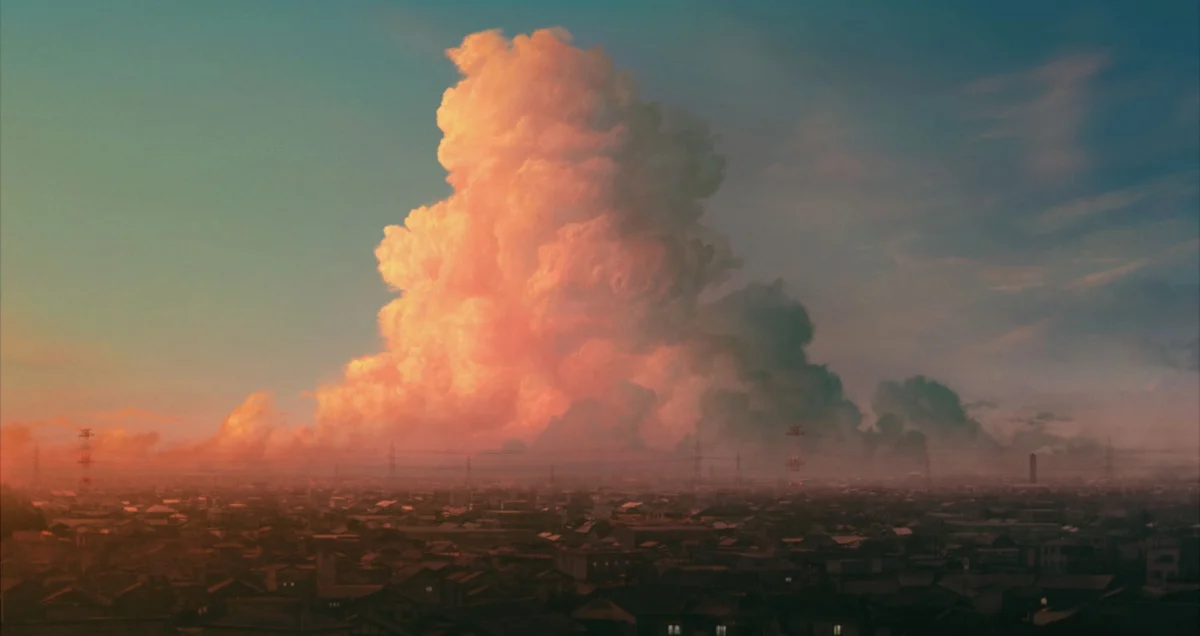
In the landscape of contemporary animation, few debut features have arrived with the visceral, unsettling impact of Kohei Kadowaki’s We Are Aliens. Premiering to critical acclaim at the Cannes Film Festival’s Directors’ Fortnight and currently competing at the Annecy International Animation Film Festival, the film marks a significant evolution in the application of hybrid animation techniques to the genre of social-realist horror.
Spanning two decades of life in rural Japan, We Are Aliens is a harrowing exploration of paranoia, identity, and the fracturing of friendship. It follows Tsubasa (voiced by Ryota Bando) and Kyotaro (Amane Okayama), two classmates whose bond is irrevocably altered by a toxic cocktail of adolescent insecurity and supernatural suspicion.
The Narrative Core: Paranoia in the Heisei Era
The film is set against the backdrop of Japan’s Heisei era, a period often characterized by a shift toward digital saturation and social alienation. The central conflict arises when Tsubasa, influenced by pervasive, cruel hallway rumors, begins to suspect that his friend Kyotaro is not human at all, but an alien.
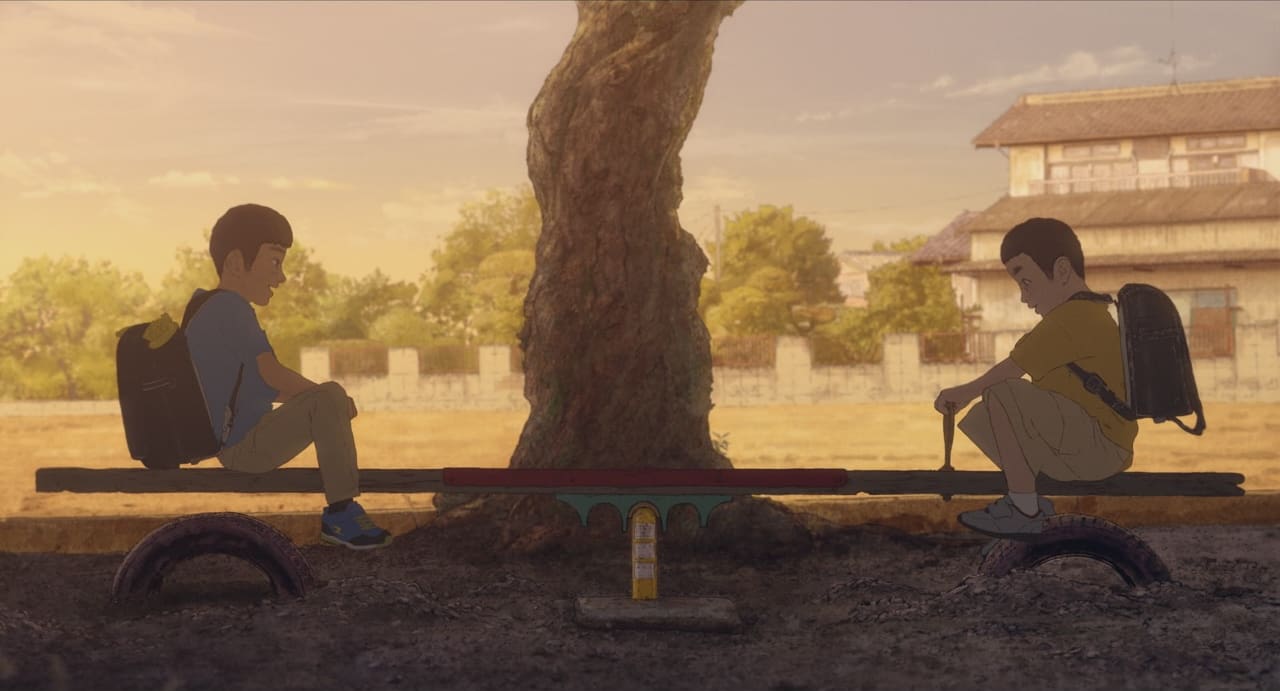
What begins as a standard coming-of-age drama quickly descends into a psychological nightmare. Kadowaki masterfully weaponizes the uncertainty of youth; as the two boys navigate their diverging paths over 20 years, the audience is forced to confront the "uncanny valley" not just as an aesthetic choice, but as a metaphor for the alienation of the human experience. The film’s nihilistic undertones serve to heighten the tension, transforming mundane settings—classrooms, bedrooms, and quiet parks—into stages for psychological and, at times, visceral physical trauma.
A Chronology of Creation: Five Years in the Making
For Kadowaki, the journey to the screen was a grueling test of patience and technical innovation. Development for We Are Aliens spanned a total of five years, with the actual production phase consuming three and a half of those years.
Kadowaki’s background, while relatively brief in the formal animation industry, provided the necessary "outsider" perspective to challenge traditional workflows. Having transitioned from university short films to the fast-paced world of music video production, Kadowaki brought a distinct sense of rhythm and visual shorthand to his feature debut.
- Year 1-1.5: Concept development and script refinement, largely in collaboration with the production label "Nothing New."
- Year 1.5-5: The arduous process of animation, requiring the coordination of a team largely composed of animators with little prior feature-film experience.
- 2026 (June): World premiere at Cannes’ Directors’ Fortnight.
- 2026 (June): Competition screening at the Annecy International Animation Film Festival.
Technical Innovation: The Hybrid Rotoscoping Approach
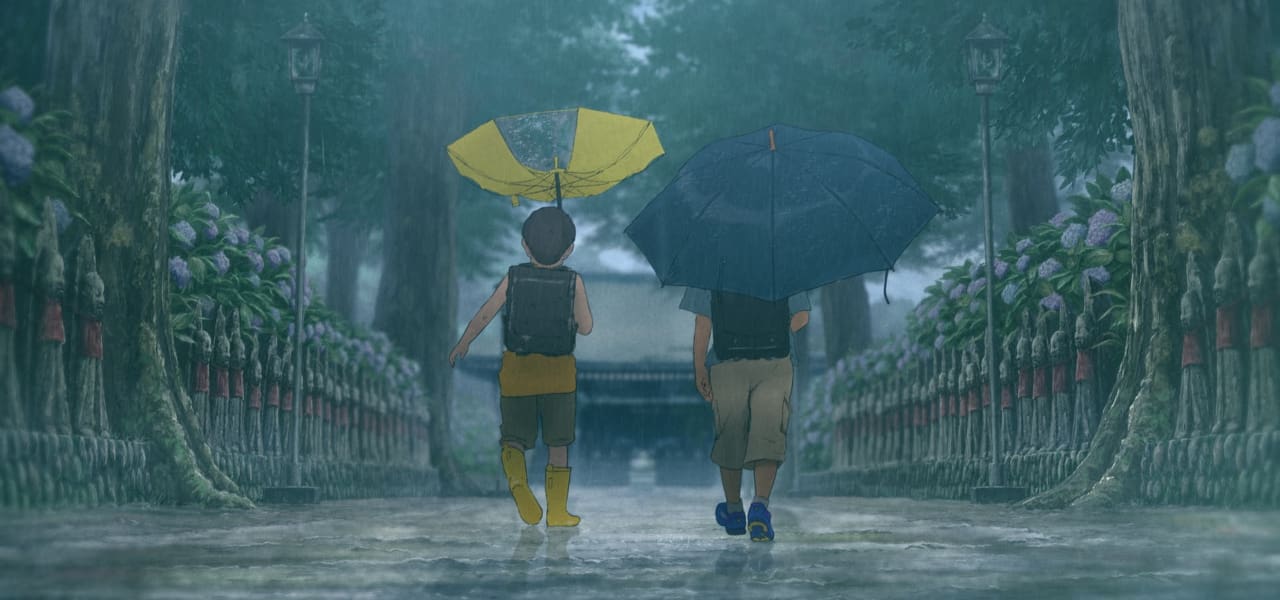
One of the most striking aspects of We Are Aliens is its visual language. Kadowaki employs a sophisticated hybrid animation style, blending rotoscoping with traditional hand-drawn elements.
"Creating a strong sense of empathy was essential to the design of this film," Kadowaki explains. "Most of the animators on the project had little or no prior animation experience, so I felt it would be difficult to create the seemingly unnecessary movements unique to children entirely from scratch."

By using rotoscoping to capture the subtle, often erratic gestures of adolescence—the shifts in body weight, the nervous eye contact, the slight tremors—Kadowaki anchors the film in a startling, tactile reality. However, he remains acutely aware of the "rotoscoping trap," where realism can inadvertently strip away the expressive potential of animation. To combat this, he implemented a rigorous system:
- Rotoscoped Motion: Reserved for delicate human movements and facial expressions to maintain grounding.
- Traditional Animation: Used for hair, clothing, and environment, allowing for stylized, expressive flourishes that break the "lifelike" mold.
- Manual Refinement: Kadowaki personally hand-refined the characters’ eyes, ensuring they remained hyper-expressive and intentionally unstable during moments of extreme paranoia or fear.
The Intersection of Social Drama and Visceral Horror
We Are Aliens defies easy categorization. While it occupies the space of a social drama, its pacing and imagery lean heavily into horror. Kadowaki views this genre tension as a necessity for modern storytelling.
"By creating a pattern of tension and release—building up, then exploding, and repeating that cycle—I wanted the audience to intuitively understand how to engage with and enjoy the film as it unfolds," he notes.
This is particularly evident in the film’s violence. The director does not shy away from the visceral; scenes involving bodies colliding with surfaces or the sharp, intrusive geometry of pencils piercing skin are rendered with a stark, unflinching clarity. Because the animation style is so grounded in realism, Kadowaki notes that "anything unconvincing would be noticed much more quickly." This realization forced him to storyboard with a level of precision that bordered on the obsessive.
The Role of "Nothing New" and Industry Implications
The film’s production company, Nothing New, is quickly positioning itself as a powerhouse for experimental social realism. Having previously supported the live-action feature AnyMart, the studio has demonstrated a clear preference for projects that challenge the boundaries between genres.
For Kadowaki, the partnership was pivotal. "Nothing New is a film label dedicated to developing talented filmmakers and creating works with global audiences in mind," he states. Their role went far beyond financial backing; they acted as a creative partner through every iteration of the script and visual layout. This collaborative model, which prioritizes "ongoing discussion and creative exchange," stands in contrast to the traditional studio system in Japan, which often favors established IP over original, high-risk concepts.
Looking Forward: A Universal Setting
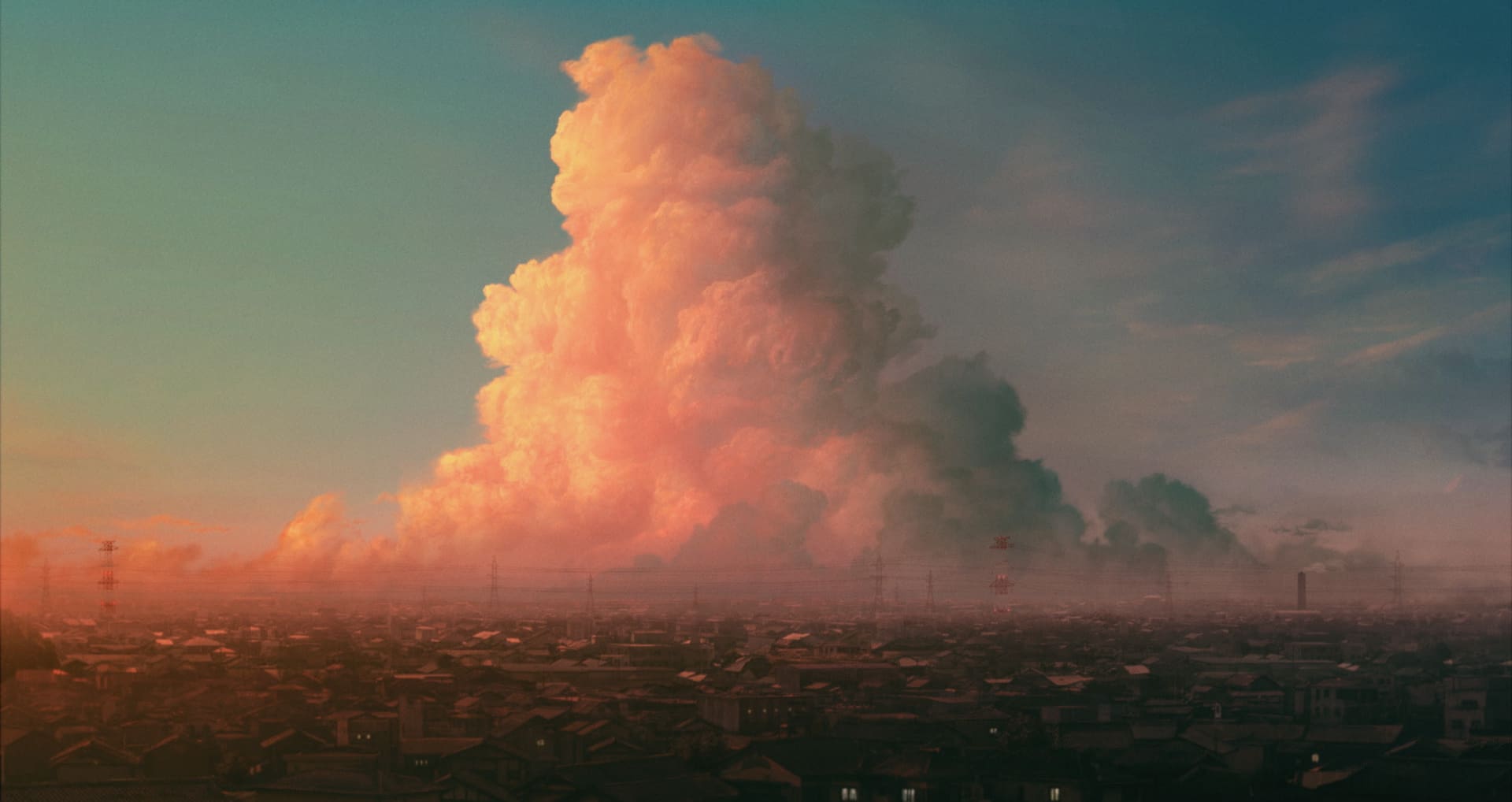
Despite the specificity of the film’s production—the meticulous layout of rooms, the choice of camera lenses, and the deliberate construction of the town—Kadowaki intentionally kept the setting geographically ambiguous.
"I wanted those scenes to feel universal and relatable, no matter where the audience comes from," he says. The town in We Are Aliens is a collage of the director’s own location scouting and childhood memories, designed to evoke a sense of place that feels both intimately familiar and deeply alienating.
Conclusion: A New Standard for Debut Features
We Are Aliens is a challenging, profound, and deeply unsettling work. By stripping away the comfort of traditional animation and replacing it with a hybrid form that demands total attention, Kadowaki has created a film that is as difficult to look at as it is to look away from.
As it continues its festival run, the film invites viewers to re-examine the anxieties of their own youth. It is a testament to the idea that animation is not merely a medium for children or fantasy, but a potent tool for exploring the dark, sometimes horrific, and always complicated truths of the human condition. Whether or not the film captures the "alien" nature of its protagonists, it certainly succeeds in capturing the alienation of the viewer—a feat that cements Kohei Kadowaki as one of the most exciting new voices in global animation.


 Siti Muinah
 Evan Lee Salim