

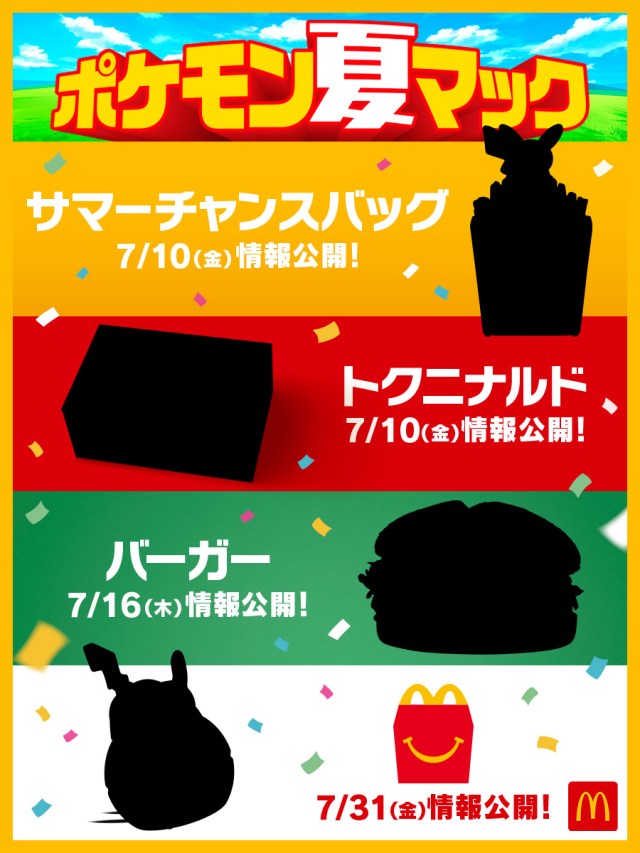
In a move that has sent shockwaves through the fan community and the fast-food industry alike, McDonald’s Japan has officially unveiled "Pokémon Summer Mac"—a sprawling, multi-tiered promotional campaign. This ambitious initiative serves a dual purpose: celebrating the 55th anniversary of McDonald’s in Japan and honoring the 30th anniversary of the global Pokémon franchise. Described by the company as the largest collaborative effort in its history with a single partner, the campaign is set to dominate the Japanese culinary landscape throughout July and August.
Main Facts: A Convergence of Icons
The "Pokémon Summer Mac" event is far from a simple toy giveaway. It is a comprehensive brand integration featuring four distinct, high-profile releases. The campaign focuses on nostalgia and high-value consumer incentives, leveraging the immense popularity of the original generation of Pokémon—specifically Pikachu, Bulbasaur, Charmander, and Squirtle.
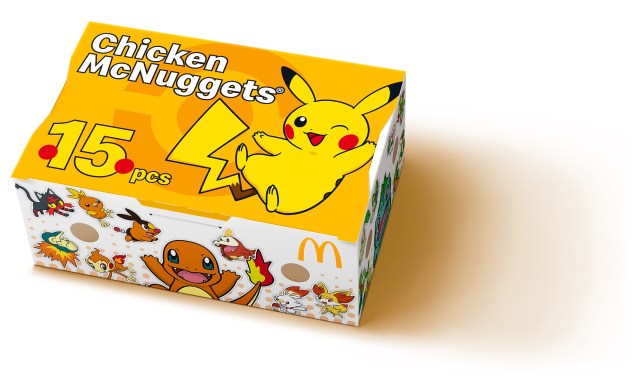
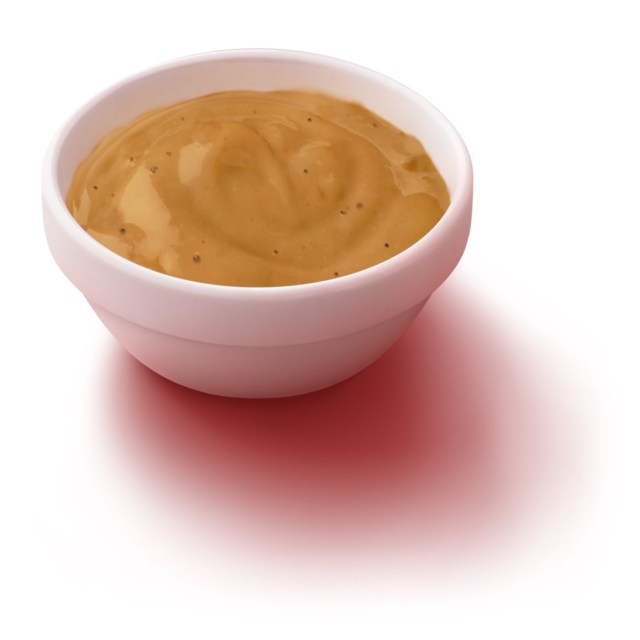
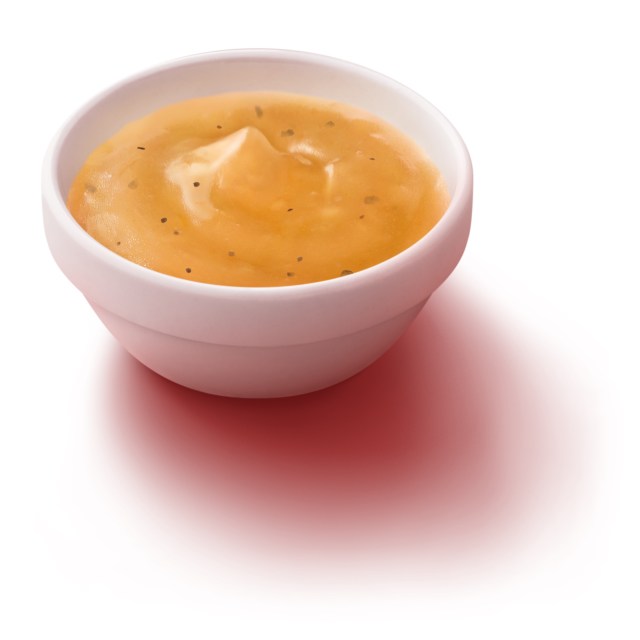
The central pillar of the campaign is the "Toku ni Narudo" (a clever portmanteau of "McDonald’s" and the Japanese word toku, meaning "a good deal") promotion. This offer provides a significant discount on the chain’s iconic 15-piece Chicken McNuggets, retailing at 490 yen (approximately $3.27 USD). This price represents a substantial reduction from the standard 740 yen cost. To add flavor to the experience, McDonald’s is introducing two limited-time dipping sauces: the savory Cheese Curry and the aromatic Umashio Garlic.
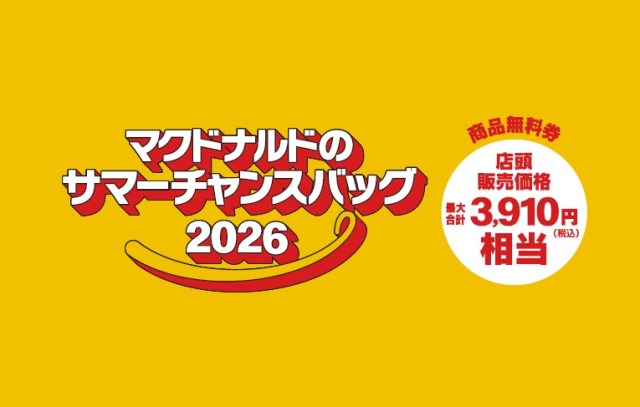
Complementing these culinary offerings is the "Summer Chance Bag," a high-demand, lottery-based merchandise set that has already become the most talked-about item of the summer. Priced at 3,900 yen, these bags are designed to provide total value parity, including vouchers for menu items that exceed the cost of the bag itself, effectively making the exclusive merchandise a "free" addition for the lucky winners.
Chronology of the Summer Campaign
The rollout of the "Pokémon Summer Mac" is strategically spaced to maintain consumer momentum across the peak summer months.
- July 10: Official announcement of the campaign details, including the "Toku ni Narudo" nugget deal and the opening of the "Summer Chance Bag" lottery.
- July 15: Official commencement of the 15-piece McNugget promotional pricing and the rollout of limited-edition Pokémon-themed packaging.
- July 16: Scheduled unveiling of the mysterious "Collaboration Burger," a highly anticipated menu item expected to draw significant foot traffic.
- July 20: The lottery application period for the Summer Chance Bags closes at 11:59 p.m. Additionally, the integration with the mobile game Pokémon GO begins, transforming all Japanese McDonald’s locations into in-game PokéStops.
- July 27 – August 2: The window for successful lottery applicants to purchase their Summer Chance Bags at participating McDonald’s locations.
- July 31: The official launch of the Pokémon Happy Meal, the final major component of the four-part release schedule.
- August 11: The conclusion of the "Toku ni Narudo" discount campaign.
- September 1: The end of the Pokémon GO location partnership.
Supporting Data and Strategic Incentives
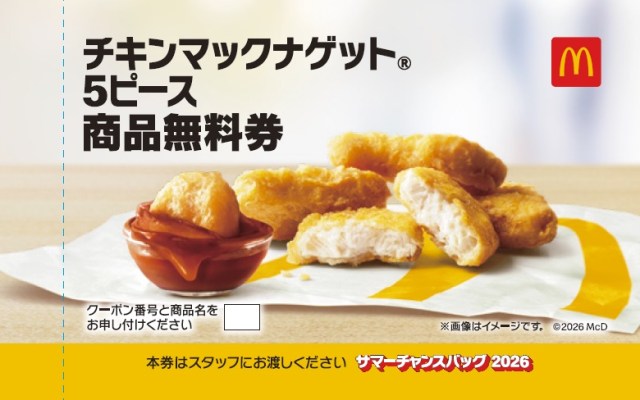
The "Summer Chance Bag" is a masterclass in consumer loyalty marketing. By pricing the bag at 3,900 yen and providing 3,910 yen worth of food vouchers, McDonald’s effectively eliminates the financial risk for the consumer. The vouchers cover a wide range of menu staples, including the Big Mac, Teriyaki McBurger, Filet-O-Fish, large fries, and various beverages.
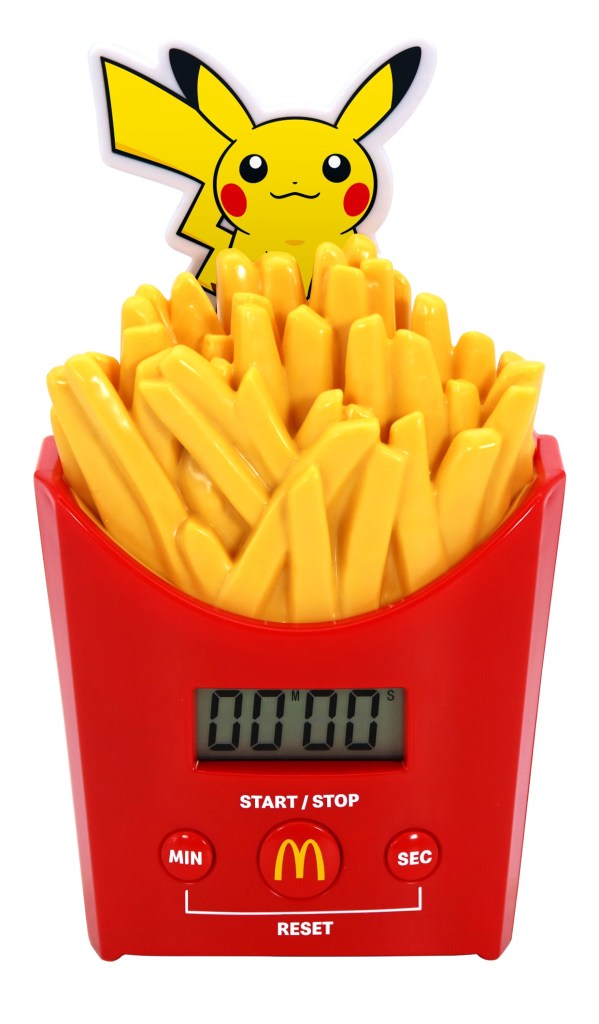
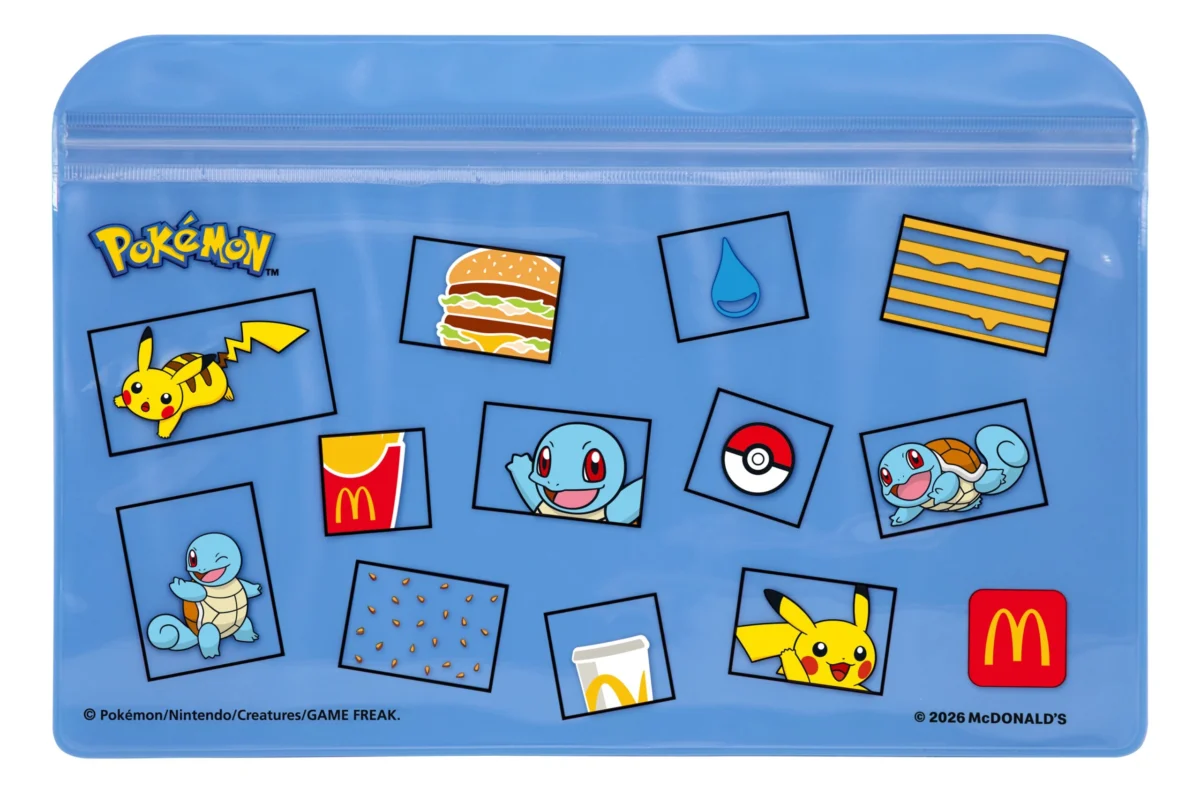
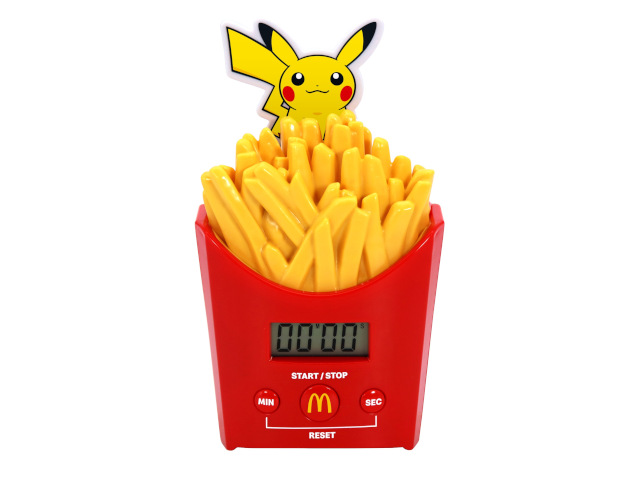
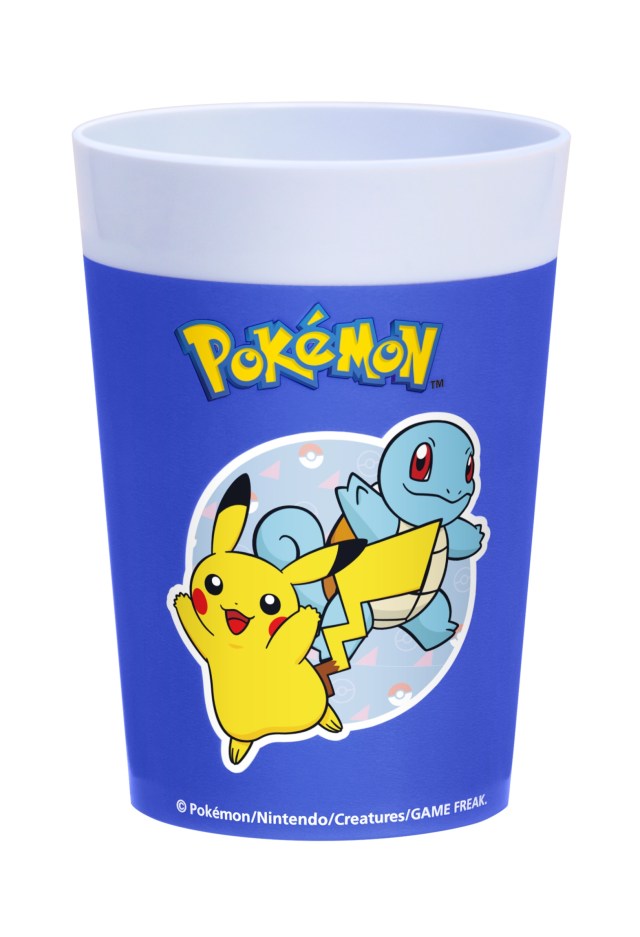
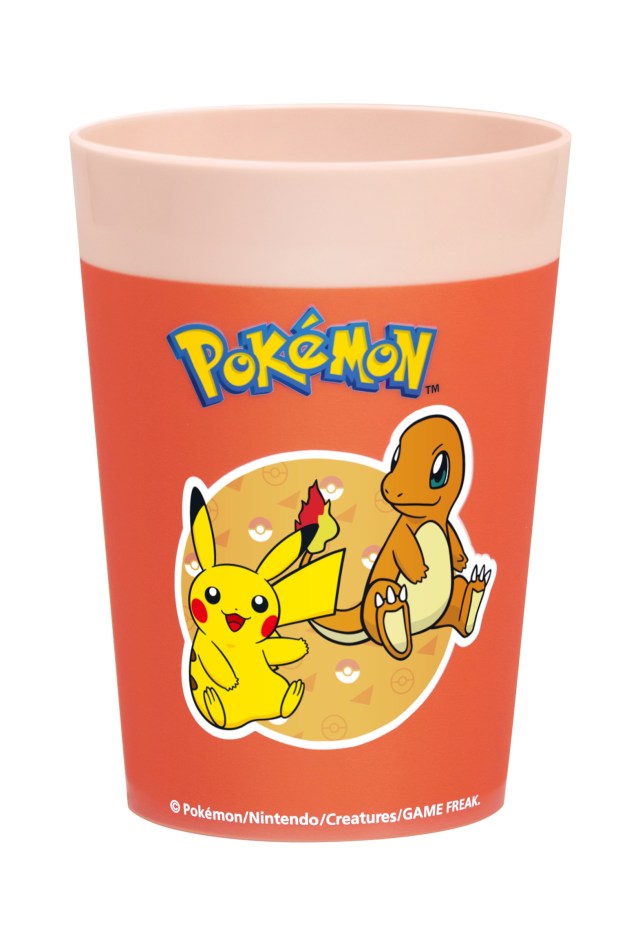
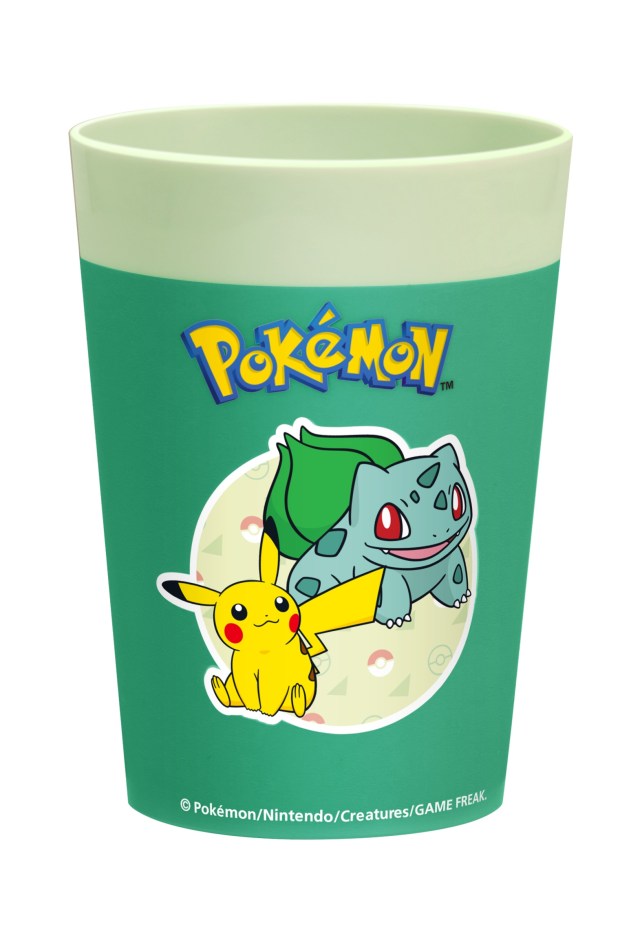
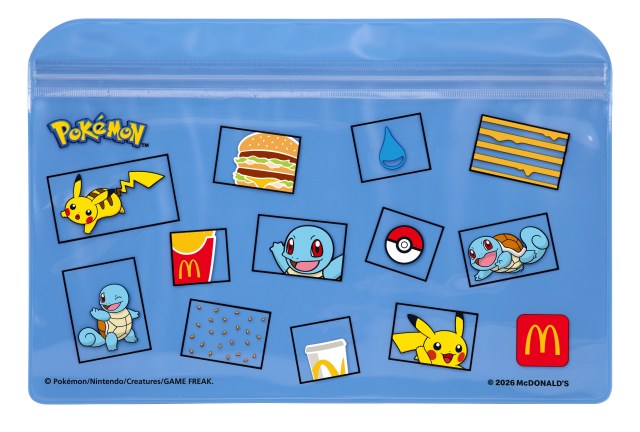
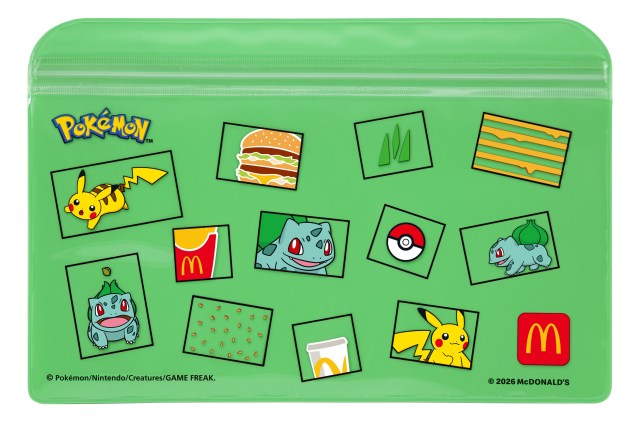
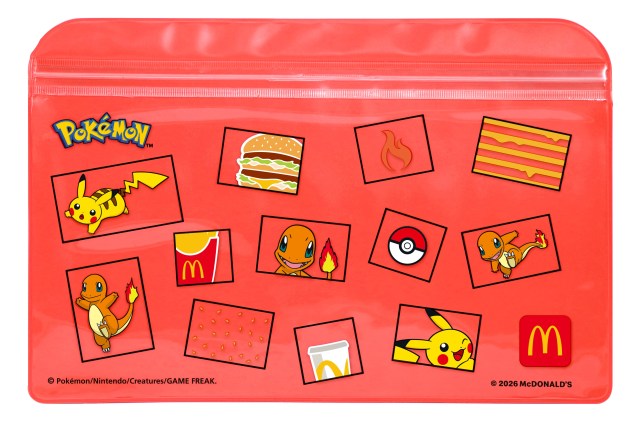
Furthermore, the "Golden McDonald’s Card"—a secondary incentive included in one out of every ten bags—offers a 500 yen credit, further sweetening the pot. The physical merchandise included in these bags—a "Jumping Pikachu Potato Timer" (which mimics the sound of an in-store fryer alarm), a color-changing cup, and a thematic zip pouch—serves to drive long-term brand engagement.
The Pokémon GO integration is equally significant. Celebrating the game’s 10th anniversary, this partnership marks the first time in six years that McDonald’s Japan has aligned with the augmented reality phenomenon. By turning every location into a PokéStop, the company is ensuring that even customers who are not purchasing a promotional meal are physically visiting the restaurants, thereby increasing the probability of incidental sales.
Official Responses and Marketing Strategy
To helm the "Toku ni Narudo" campaign, McDonald’s has enlisted the services of acclaimed Japanese actor Masato Sakai. In a series of lighthearted advertisements, Sakai embodies the persona of "Mr. Tokuninarudo," a character who literally flies through the sky with the assistance of giant chicken nugget balloons.
The marketing message is clear: McDonald’s is positioning itself not just as a restaurant, but as a summer destination. By aligning with the 30th anniversary of the Pokémon brand, the company is tapping into a multi-generational demographic. The choice to focus on the original starter Pokémon (Bulbasaur, Charmander, Squirtle, and Pikachu) appeals to the adult demographic who grew up with the 1996 originals, while the interactive elements, such as the potato timer and the app-based lottery, maintain appeal for younger fans.
Implications for the Fast-Food Industry
The sheer scale of this campaign brings with it significant operational and social challenges. The industry remains wary of the "reseller phenomenon" that marred previous promotions. In August 2025, a similar Pokémon-themed Happy Meal campaign resulted in widespread public outcry when resellers purchased hundreds of meals in bulk, extracting the exclusive trading cards and discarding the food, which led to significant waste and public criticism.
McDonald’s Japan has been under immense pressure to prevent a repeat of this scenario. While the company has not explicitly detailed its anti-reseller measures for this specific campaign, the implementation of a lottery system for the "Summer Chance Bags" is a clear attempt to curb scalping. By restricting purchases to one bag per person and requiring an app-based selection, the company is prioritizing legitimate customers over high-volume resellers.
Furthermore, the logistical strain on the supply chain is significant. Providing custom packaging for millions of nuggets, managing the distribution of limited-edition physical merchandise, and ensuring that the Pokémon GO partnership remains stable are all major undertakings.
If successful, this campaign could serve as a blueprint for future collaborations in the Japanese fast-food sector. It demonstrates that when a global brand aligns with a cultural icon, it can successfully drive mobile app adoption, increase in-store foot traffic, and create social media buzz that far exceeds the reach of traditional advertising.
The "Pokémon Summer Mac" campaign is not merely a promotional event; it is a calculated effort to fortify the McDonald’s brand identity in a competitive market. As the summer progresses, the success of the remaining two reveals—the collaboration burger and the Happy Meal—will likely determine whether this, indeed, becomes the "biggest-ever collaboration" in the company’s history. For the millions of Pokémon fans across Japan, however, the campaign has already succeeded in its primary objective: making the local McDonald’s an essential destination for the summer season.











