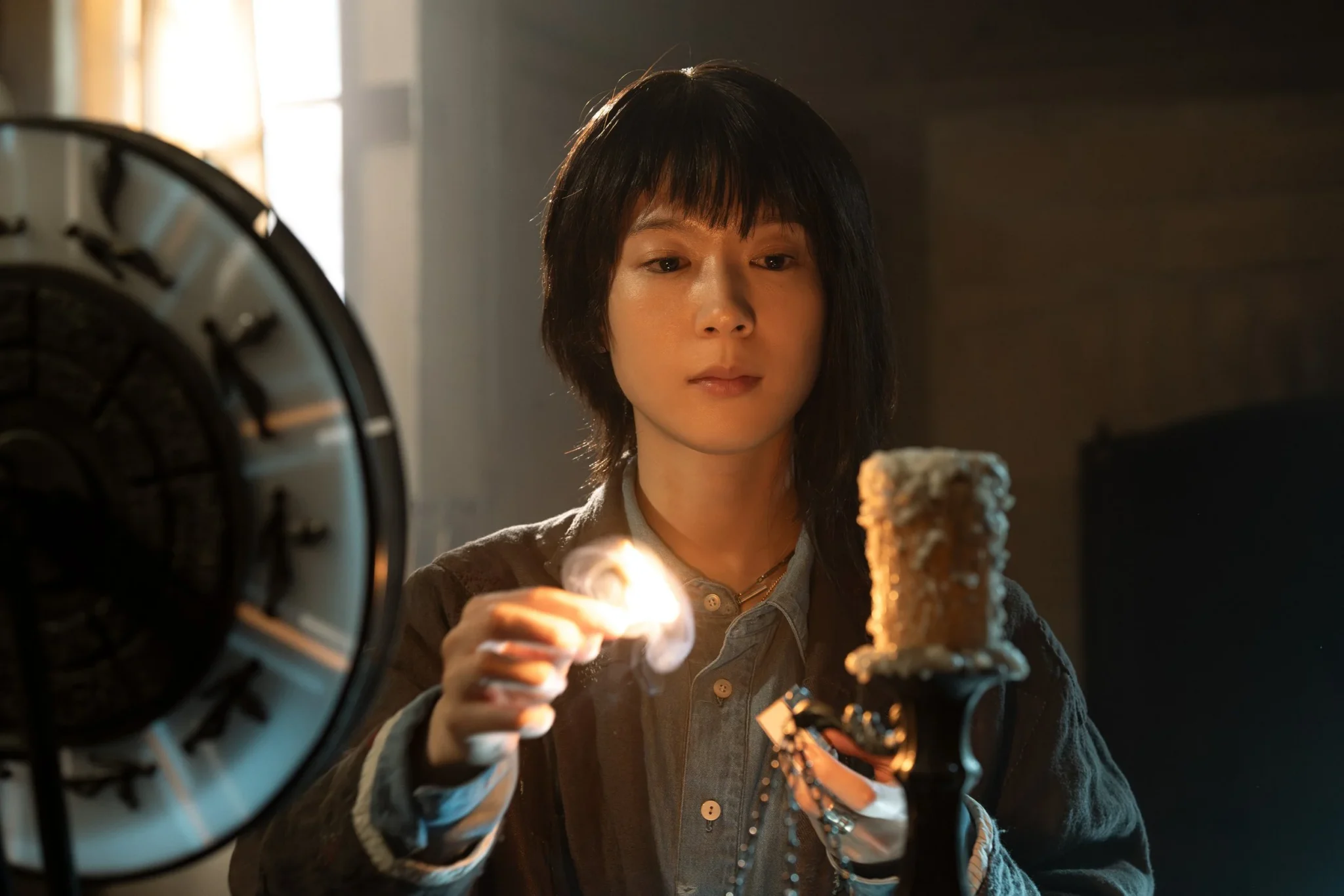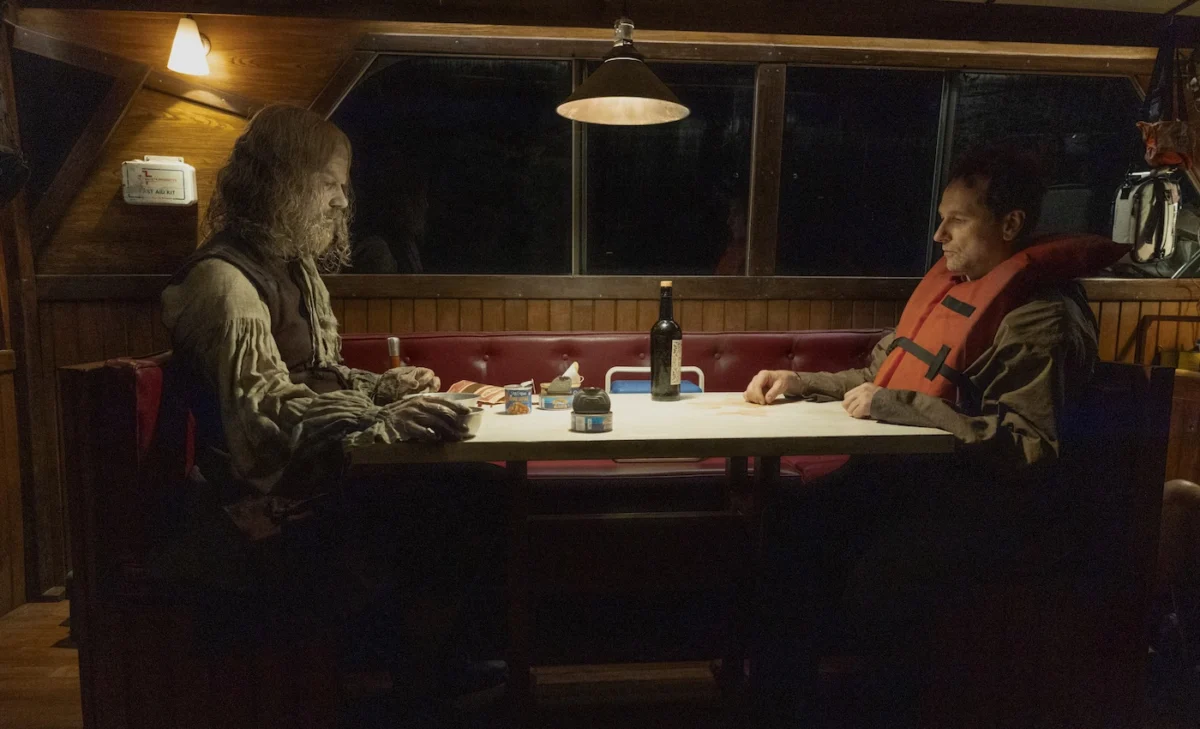
In the crowded landscape of modern streaming television, few shows manage to capture the cultural zeitgeist with the sudden, sharp intensity of Widow’s Bay. Over the past month, the series has transcended its status as a mere "watch" to become a dominant fixture of social media discourse. It is a show that balances on the precarious razor’s edge between genuine, heart-pounding terror and the dry, observational wit of a workplace sitcom. For those who have yet to navigate its fog-drenched shores, Widow’s Bay is not just a show; it is an experience that demands attention.
Main Facts: The Anatomy of a Genre-Bending Hit
At its core, Widow’s Bay is an ambitious experiment in tonal duality. Creator Katie Dippold, whose pedigree as a writer and co-producer on Parks and Recreation is evident in the show’s rhythmic dialogue and sharp character beats, has crafted a world where the mundane and the monstrous coexist.
The series is best described as a narrative collision: Parks & Rec meets Twin Peaks, or perhaps The Good Place wandering into the woods of Eerie, Indiana. The success of the show lies in its refusal to compromise. Many "horror-comedies" often collapse under their own weight, choosing to be a horror story that happens to have a few punchlines, or a comedy that uses jump scares as a crutch. Widow’s Bay manages to weave the two together so tightly that the humor often serves as the delivery system for the horror. Whether it is the grotesque, absurdist nature of the "Sea Hag" or the existential dread evoked by the "Boogeyman," the show finds the funny in the macabre and the terrifying in the mundane.
A Chronology of Creation: From Spec Script to Streaming Sensation
The lineage of Widow’s Bay traces back to Dippold’s time in the Parks and Recreation writers’ room, where she first developed the concept as a spec script. The DNA of that sitcom is present, particularly in the fifth episode, "What to Expect on Your Trip," which showcases the same sharp, character-driven humor that made Pawnee, Indiana, a household name.
However, Dippold’s vision was always tempered by a darker sensibility. Fans of the creator may remember her viral 2016 meme of the Babadook at a wine party—a perfect aesthetic precursor to this series. The show officially entered development under the watchful eye of Apple TV, with production ramping up in late 2025. By the time the series premiered in mid-2026, the marketing campaign had successfully established the show’s unique "horror-comedy" identity. Its immediate viral success, driven by fan edits, quote-heavy social media threads, and a critical appreciation for its high-concept writing, has secured its place as one of the most significant television events of the decade.
Supporting Data: The Craftsmanship Behind the Screen
The brilliance of Widow’s Bay is not just in its writing, but in the meticulous assembly of its production team and cast.
A Masterclass in Casting
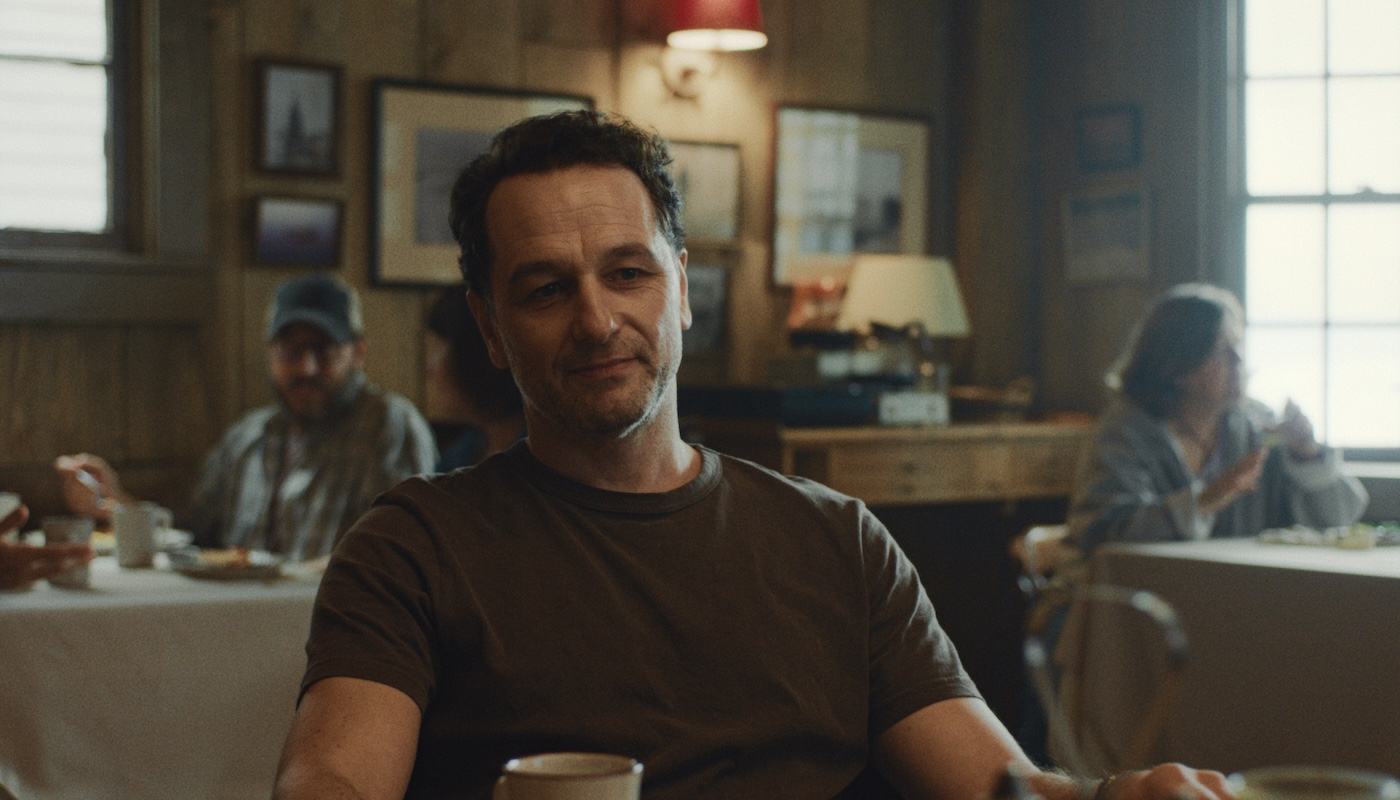
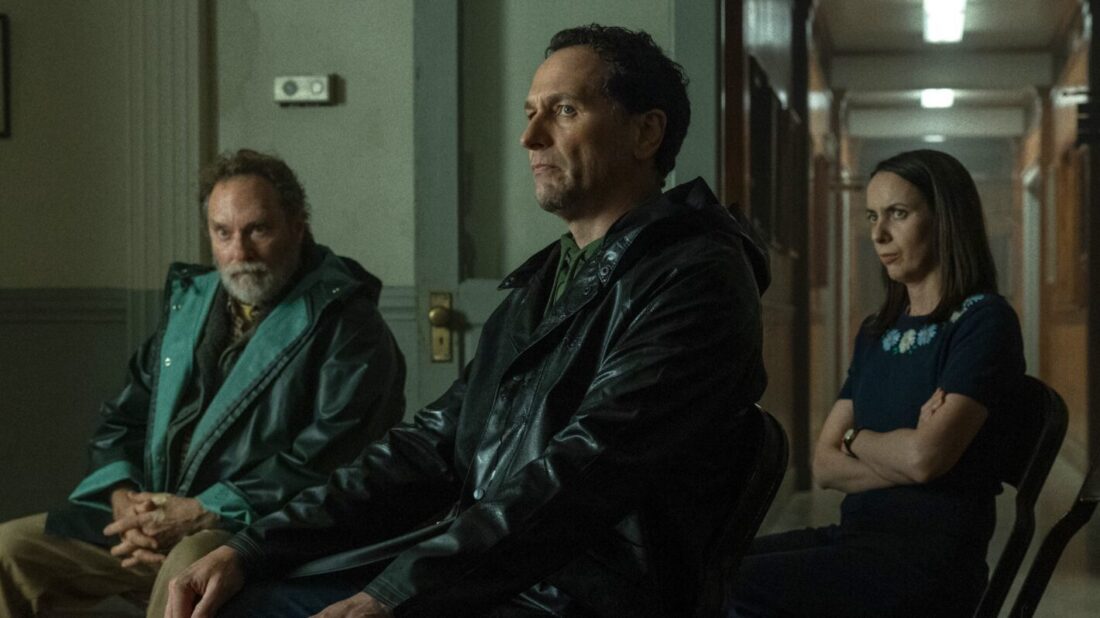
The ensemble cast is a "who’s who" of character-actor royalty. Matthew Rhys, in his first lead role in a comedy, provides a masterclass in playing the "straight man" to the chaos around him. Opposite him, Kate O’Flynn, Stephen Root, Dale Dickey, and Hamish Linklater bring a grounded, lived-in reality to their roles.
Particularly notable is Kevin Carroll’s portrayal of the local sheriff. In a brilliant subversion of horror tropes, Carroll’s character operates on the logic that any rational person would immediately flee a haunted town. His refusal to engage with the supernatural elements provides both a grounded anchor for the audience and a recurring comedic beat. Furthermore, the aesthetic of the show—the intentional choice to cast actors who look like real people rather than studio-manufactured archetypes—lends a "crunchy," grounded feel to the series that prevents it from becoming too detached from reality, even when a clown killer is on the loose.
Technical Prowess
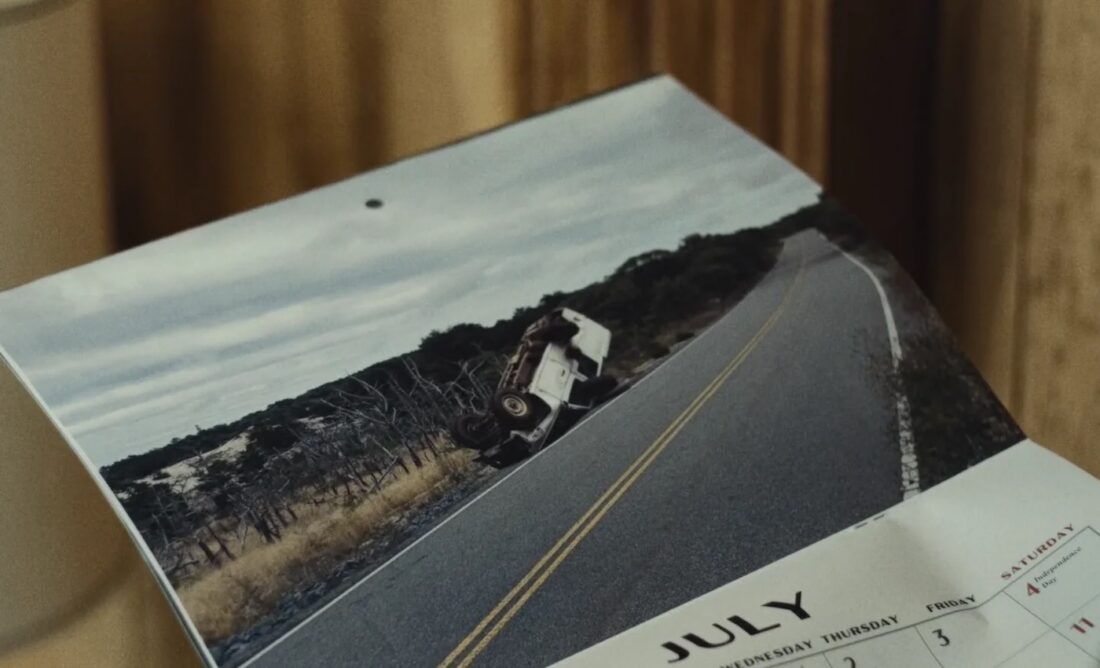
Behind the camera, the show is a collaborative triumph. With directing duties split between industry veterans like Hiro Murai, Andrew DeYoung, and Samuel Donovan—and the inclusion of genre master Ti West—the visual language of the show is consistently elevated. The music supervision by Toko Nagata, paired with David Fleming’s haunting, homage-filled score, ensures that the atmosphere is as layered as the script. From the cinematography to the subtle art design—where calendars might feature car crashes instead of serene landscapes—the production design is a testament to the effort poured into every frame.
Official Responses and The "Lore" Factor
While fans have been vocal about their adoration for the series, the production has also been noted for its "thoughtful" approach to world-building. What initially appeared to be a standard "monster-of-the-week" procedural revealed itself by the end of the first season to be a tightly serialized narrative.
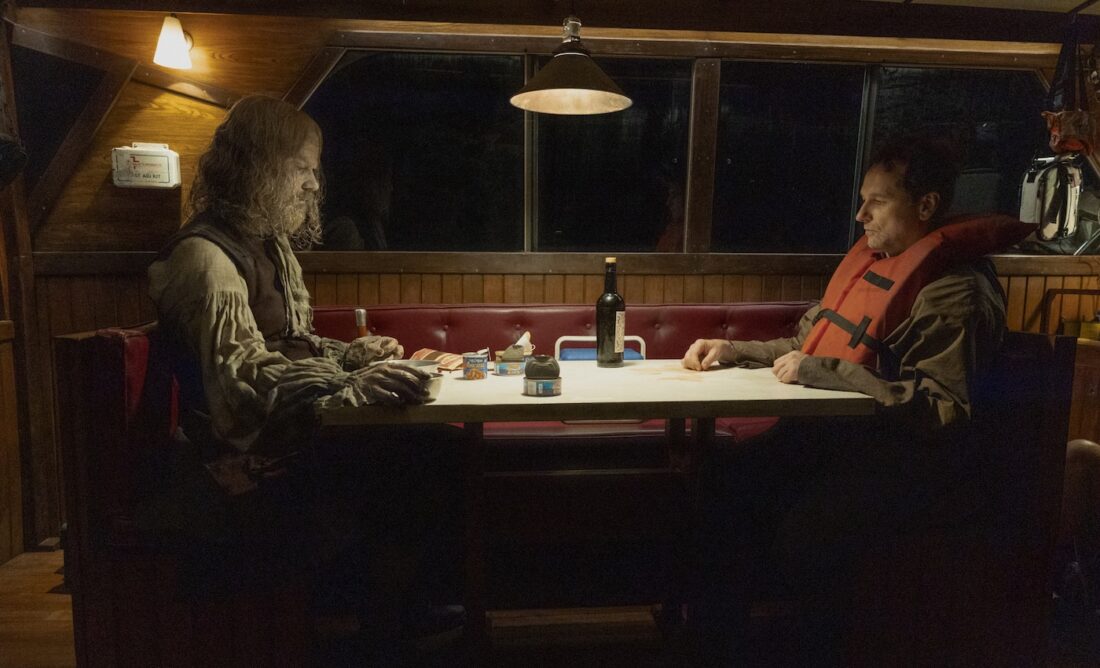
The monsters in Widow’s Bay are not merely threats; they are mirrors held up to the characters. Each encounter is specifically tailored to trigger personal growth or force confrontation with past trauma. This narrative depth has led to widespread critical acclaim, with many outlets calling it a love letter to the genre. From Jaws and The Witch to the works of Stephen King and Alfred Hitchcock, the show is dense with references that reward the attentive viewer.
The most significant "official" response, however, has been the swift renewal for a second season. Apple TV’s commitment to the series signals a massive confidence in its longevity. The show has successfully carved out a space in the "Best of the 2020s" conversation, leaving critics and fans alike eagerly awaiting the next chapter.
Implications: The Social Commentary Within the Bay
Beyond the jump scares and the quotable dialogue, Widow’s Bay acts as a biting critique of societal expectations.
The Female Experience
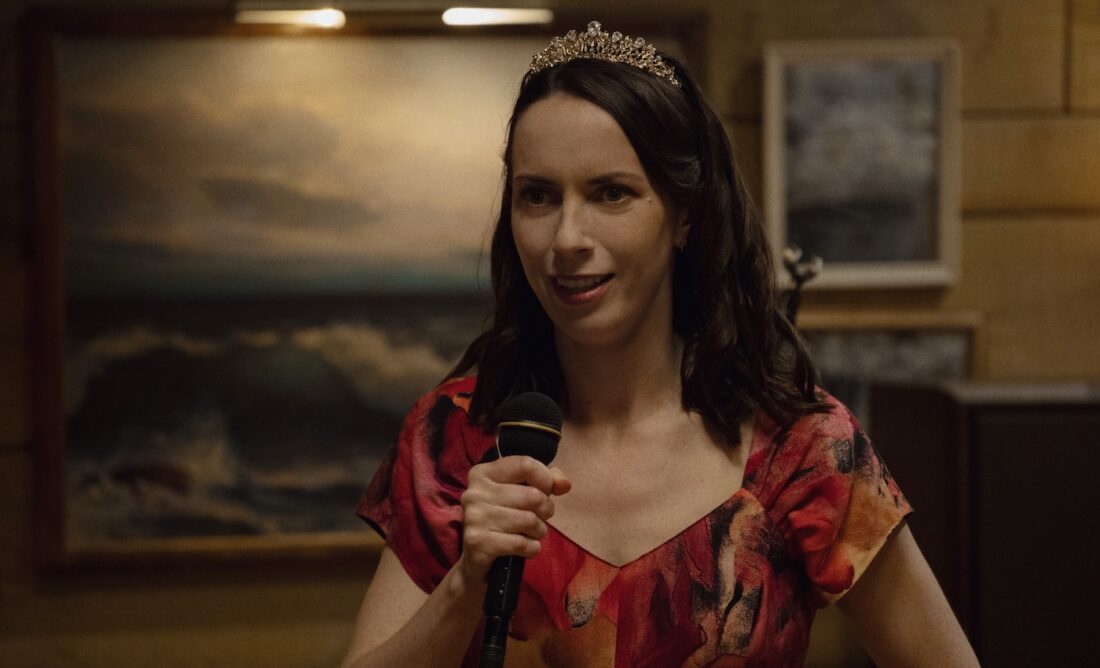
The show’s focus on middle-aged and older women is refreshing. In a genre that typically relegates women to the roles of "final girl," "hysterical mother," or "miserable cat lady," Widow’s Bay allows its female characters to be messy, flawed, and independent. The show consistently challenges the male-gaze-driven narrative that a woman’s worth is tied to her youth, marriage, or motherhood.
The Crisis of Masculinity
Simultaneously, the series explores the desperation of men facing societal pressures. The relationship between Tom and his son, Evan, serves as a central pillar of the show’s emotional arc. The writers peel back the layers of these characters, shifting our understanding of their motivations from episode to episode. While the show has faced valid criticism for being somewhat homogenous in its cast—specifically regarding the underrepresentation of BIPOC and queer characters—the creators have acknowledged the need for further diversity, with the second season expected to broaden its horizons.
Conclusion: The "Patricia" Phenomenon
To attempt to summarize Widow’s Bay is to miss the point of its chaotic, beautiful, and terrifying existence. It is a show that demands multiple viewings to catch the fleeting shadows in mirrors, the shifting background props, and the subtle, varying accents of the townspeople.
Whether you are here for the horror-movie references, the deep, character-driven lore, or simply the inexplicable, cult-like obsession with the character of "Patricia," Widow’s Bay is undeniably essential television. As it enters its second season, the show stands as a testament to what happens when creators are given the freedom to be truly, brilliantly weird. It is, quite simply, a monster of a show—in the best way possible.