Ammar Sabilarrohman
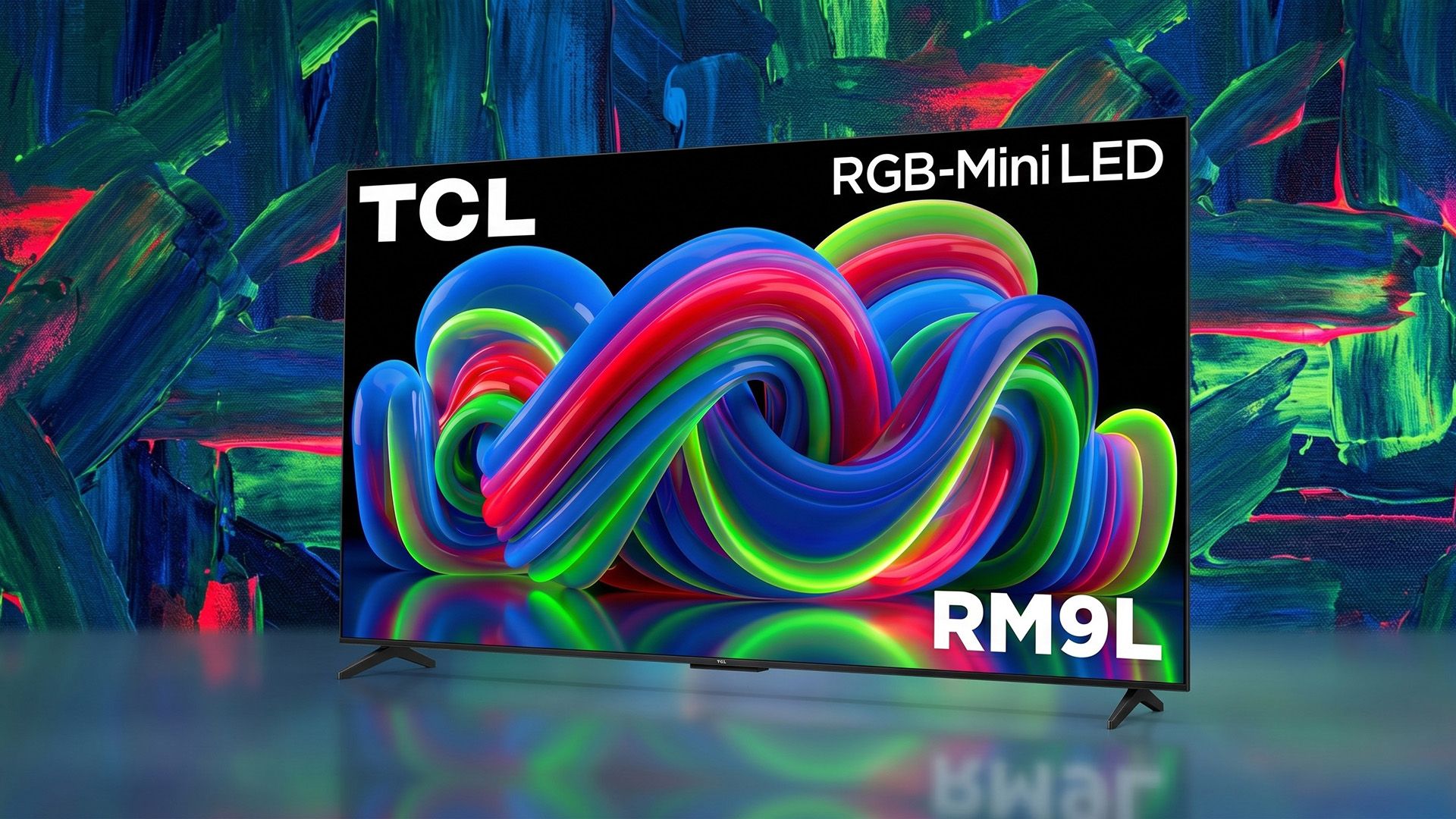
At the heart of every modern living room lies the television—the central hub for entertainment, gaming, and cinematic immersion. As consumers navigate an increasingly crowded market, the decision to invest in a new display is no longer just about size or resolution; it is about the underlying technology that dictates the fidelity, depth, and accuracy of the image. For those seeking the pinnacle of home theater performance, a new standard has emerged: TCL’s proprietary RGB-Mini LED technology.
By integrating dedicated red, green, and blue emitters directly into the backlight architecture, TCL is pushing the boundaries of what is possible with LCD-based displays. This article explores the technical nuances of this innovation, the market implications of TCL’s recent push into premium screens, and why these displays are currently capturing the attention of display enthusiasts and casual viewers alike.
The Technical Breakthrough: Understanding RGB-Mini LED
To appreciate why TCL’s recent lineup is garnering significant industry attention, one must first understand the fundamental shift from traditional LED backlighting to Mini-LED, and now, the advancement of RGB-Mini LED.
The Mechanics of Light
Standard LED TVs utilize a backlight array that shines through a liquid crystal layer. While effective, these displays often struggle with "blooming"—the phenomenon where light from bright objects bleeds into surrounding dark areas, washing out the true black levels. Mini-LED technology mitigates this by using thousands of significantly smaller LEDs, allowing for more precise local dimming zones.
TCL’s innovation takes this a step further by utilizing dedicated RGB emitters within the backlight layer itself. Instead of relying on a blue LED coated in yellow phosphor to create "white" light, RGB-Mini LED provides pure, targeted color primary light at the source. This results in:
- Enhanced Color Gamut: Because the light source is natively red, green, and blue, the resulting color saturation is more vivid and accurate than traditional methods.
- Superior Peak Brightness: The precise management of these emitters allows for higher peak luminance without sacrificing shadow detail.
- Improved Energy Efficiency: By illuminating only the necessary pixels with exact color requirements, the display operates with greater thermal and electrical efficiency.
Chronology: TCL’s Rise to Display Dominance
TCL’s journey to becoming a global leader in television technology was not an overnight success. It is the result of years of vertical integration and aggressive research and development.
The Early Years (2010–2015)
Initially recognized as a budget-friendly alternative to established Japanese and Korean giants, TCL focused on scaling production. During this period, the company invested heavily in its panel manufacturing subsidiary, CSOT (China Star Optoelectronics Technology). This move allowed TCL to control its supply chain, a crucial factor in keeping costs low while maintaining quality control.
The Mini-LED Pivot (2019–2022)
In 2019, TCL made a strategic decision to pioneer the consumer adoption of Mini-LED technology. While competitors were fixated on OLED, TCL recognized that Mini-LED could offer similar, if not superior, brightness levels at a more accessible price point. The successful rollout of the 6-Series and 8-Series TVs solidified their reputation as a premium player.
The RGB-Mini LED Era (2023–Present)
Most recently, TCL has shifted its focus to the "RGB-Mini LED" architecture. By refining the backlight structure to include dedicated color emitters, the company has effectively closed the gap between high-end professional monitors and consumer home cinema displays. This current generation of TVs represents the culmination of a decade of hardware refinement.
Supporting Data: Performance Metrics and Market Impact
The shift toward high-end Mini-LED is backed by compelling performance data. Independent testing of TCL’s latest RGB-Mini LED panels has consistently shown contrast ratios that rival self-emissive technologies like OLED.
- Local Dimming Zones: High-end models in the current lineup feature thousands of local dimming zones, significantly reducing the "halo effect" found in lesser displays.
- Peak Luminance: Some flagship models are capable of reaching peak brightness levels exceeding 2,000 to 3,000 nits, which is critical for HDR (High Dynamic Range) content, where bright highlights (like sunlight or explosions) require immense power to render realistically.
- Color Accuracy: By using pure RGB sources, these TVs achieve a wider percentage of the DCI-P3 color space, ensuring that content creators’ intent is translated accurately from the studio to the living room.
From a market perspective, TCL’s strategy of "value-driven performance" has forced legacy manufacturers to lower prices and accelerate their own innovation cycles. Consumers are the primary beneficiaries of this "arms race," as the cost-per-inch for high-performance displays has plummeted over the last five years.
Official Responses and Industry Reception
Industry analysts have lauded TCL for its disruption of the premium television market. "TCL has managed to move from being a ‘value’ brand to a ‘performance’ brand without alienating its core audience," says Will Salmon, Collections Editor at Tom’s Guide. "Their commitment to RGB-Mini LED is a clear signal that they are not just trying to compete on price, but on objective visual fidelity."
TCL executives have consistently stated that their goal is to democratize high-end technology. In recent press statements, company spokespeople have emphasized that the inclusion of advanced display tech is not reserved for niche professionals but should be the standard for any household that values high-quality entertainment.
"We believe that the viewing experience should be immersive and uncompromising," said a TCL product manager during a recent launch event. "By owning our supply chain, we can innovate faster than our competitors, bringing these breakthrough features to the consumer months—or even years—before others can react."
Implications: The Future of Home Cinema
What does this mean for the average consumer? As RGB-Mini LED becomes more mainstream, the expectation for image quality will rise. Here are the long-term implications for the market:
1. The Death of the "Budget" Compromise
As manufacturing processes improve, the "good enough" screen of yesteryear is being replaced by high-performance hardware at lower price points. Consumers no longer need to choose between a large screen and a quality picture; the technology is allowing for both.
2. HDR as the New Standard
With the increased brightness capabilities of RGB-Mini LED, HDR content will become significantly more impactful. Standard Dynamic Range (SDR) is increasingly looking dated, and the industry is shifting toward a landscape where every piece of content—from streaming services to gaming consoles—is designed to leverage the full luminance and color potential of modern displays.
3. The Gaming Revolution
Gamers, in particular, stand to benefit most. The low response times of LED panels, paired with the deep blacks and vibrant colors of RGB-Mini LED, create the ideal environment for current-generation consoles like the PS5 and Xbox Series X. Features like VRR (Variable Refresh Rate) and ALLM (Auto Low Latency Mode) are now being paired with these high-performance panels, creating a gaming experience that was once only possible on expensive PC monitors.
4. A Shift in Retail Strategy
Retailers such as Best Buy have seen a marked increase in interest for high-end TCL units, as customers now enter stores more informed than ever before. The "showrooming" effect—where customers research online and purchase in-store—has highlighted a consumer base that is increasingly educated on display specifications, favoring brands that offer transparent and high-quality hardware.
Conclusion: Making the Right Choice
Choosing a television is a significant commitment. It is the centerpiece of your home entertainment system and an investment that will likely serve you for half a decade or more. For those prioritizing visual excellence, TCL’s latest collection of RGB-Mini LED TVs provides a compelling argument for moving away from legacy display technologies.
By balancing innovation, aggressive pricing, and a commitment to high-performance hardware, TCL has established itself as a formidable force in the display industry. Whether you are a dedicated film buff looking for reference-grade image quality, a gamer seeking the most responsive and vibrant display for your console, or simply someone who wants the best possible experience for their family movie nights, the current lineup of TCL screens deserves a place at the top of your shortlist.
As display technology continues to evolve, the distinction between the "premium" and "accessible" tiers is blurring. By investing in a screen that utilizes the latest in RGB-Mini LED technology, you are not just buying a television; you are future-proofing your home theater for the next generation of visual media. For those ready to experience the next evolution in home cinema, the time to upgrade is now.


 Jia Lissa