Pevita Pearce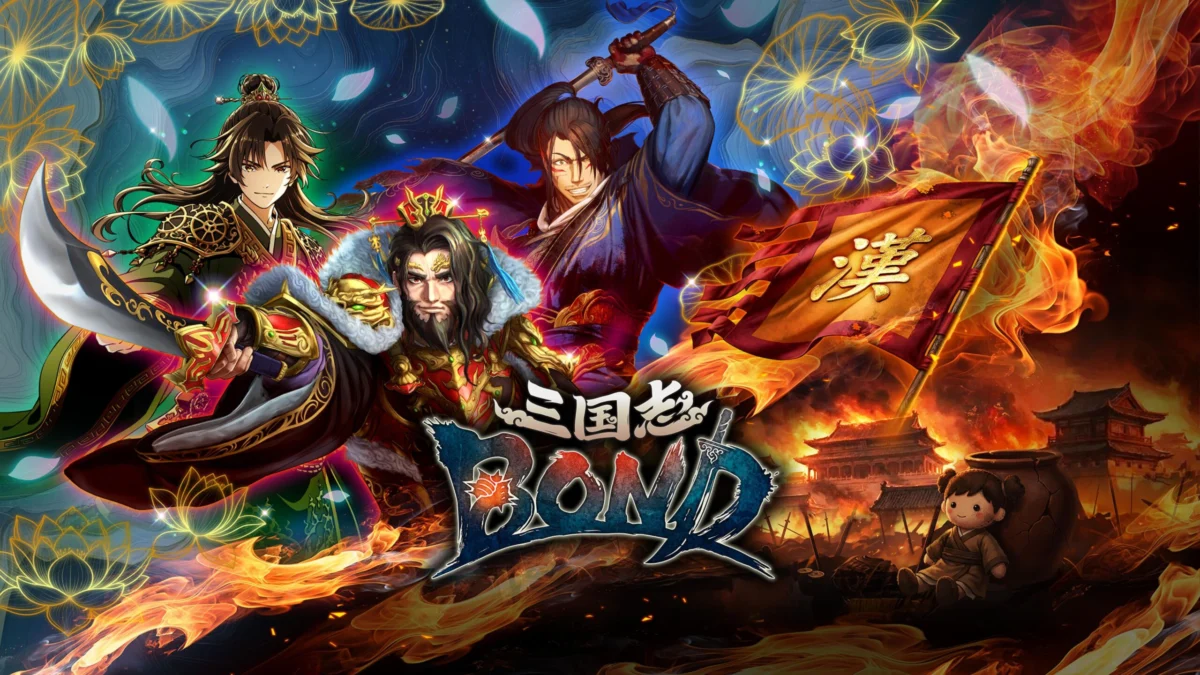
Steam Next Fest is arguably the most anticipated period of the summer for the PC gaming community. It serves as a digital laboratory where the curious can sample the industry’s next wave of innovation, ranging from high-budget AAA spectacles to the humble, inventive offerings of independent studios. Among the titles making waves this year is Sangokushi Bond, a title that carries the weight of a legendary Japanese arcade lineage while attempting to translate that intensity for a broader audience.
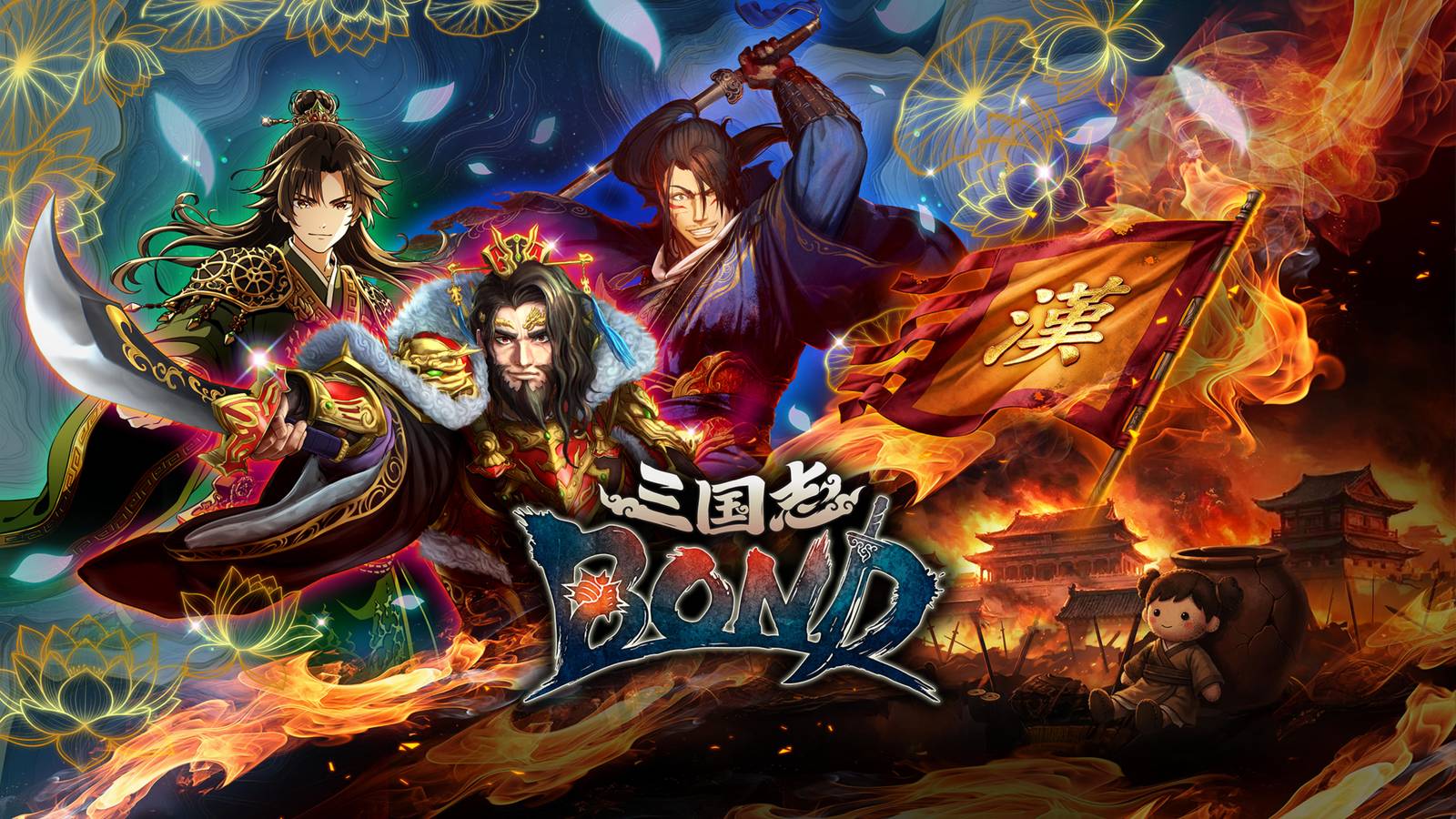
Developed by the team at Get Wrapped Up, Sangokushi Bond recently opened its doors to public scrutiny through a Steam Next Fest demo. For those who have followed the career of its producer, Yasuhiro Nishiyama—widely known in the industry as "Nishi-P"—the game represents a fascinating experiment in genre adaptation. Having cut his teeth on titles like Mai Mai and the complex, competitive Sangokushi Taisen, Nishi-P is now on a mission to distill the adrenaline-pumping nature of arcade card games into a more accessible, tactical experience for the PC platform.
The Roots of Complexity: From Arcade Cabinets to Steam
To understand the significance of Sangokushi Bond, one must first understand the intimidating heritage of its predecessor, Sangokushi Taisen. In the vibrant, often cutthroat ecosystem of Japanese arcades, Sangokushi Taisen was a titan. It wasn’t just a card game; it was a physical, real-time tactical performance. Players would purchase physical booster packs to build their army, then place those cards onto the surface of an arcade machine, physically sliding them across the interface to maneuver units in real-time.
Success in Sangokushi Taisen required a rare trifecta of skills: a deep understanding of card synergies, precise physical positioning on the board, and lightning-fast reaction times. For the casual observer walking through an arcade, watching a match in progress was often enough to scare them away. The veterans who frequented these machines treated the game with the same intensity as a professional sport. It was an environment that prioritized mastery and, by extension, presented an almost insurmountable barrier to entry for newcomers.
Sangokushi Bond aims to lower those barriers without sacrificing the strategic depth that made the original so compelling. As Nishi-P explains, the goal is not to remove the difficulty, but to move it from the hands of the player in a frantic, real-time environment to the mind of the player in a thoughtful, tactical one. By shifting the mechanics to an auto-battler framework, the developers are inviting players to focus on macro-strategy—composition, positioning, and synergy—rather than the physical dexterity required to juggle cards in an arcade setting.
A Hands-On Perspective: The Mechanics of Modern Warfare
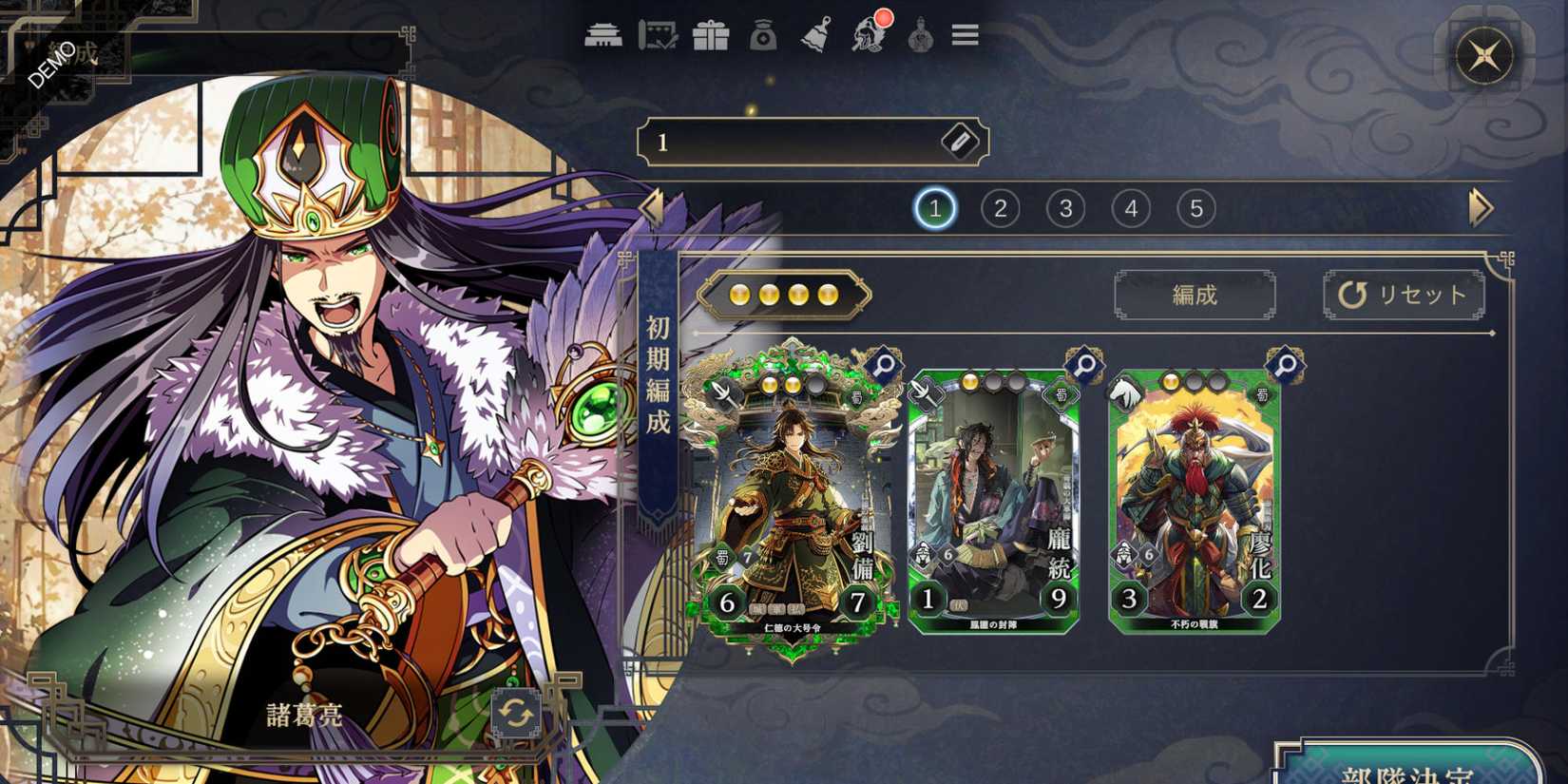
Stepping into the Sangokushi Bond demo, the game presents itself as an elegant, if somewhat opaque, challenge. The gameplay loop is structured around a ten-minute match cycle. The process begins with the drafting phase: players select their starting units, carefully balancing their resources. A critical early lesson is the importance of diversity; while it is tempting to spend all your currency on a single, powerful general, a balanced army—often centered around a specific color or faction synergy—tends to be far more resilient.

Following the initial draft, the player selects a region, which then dictates the pool of available units to recruit. The navigation of the map and the recruitment process are intuitive, though they require a degree of foresight. Once the army is set, the battle phase commences.
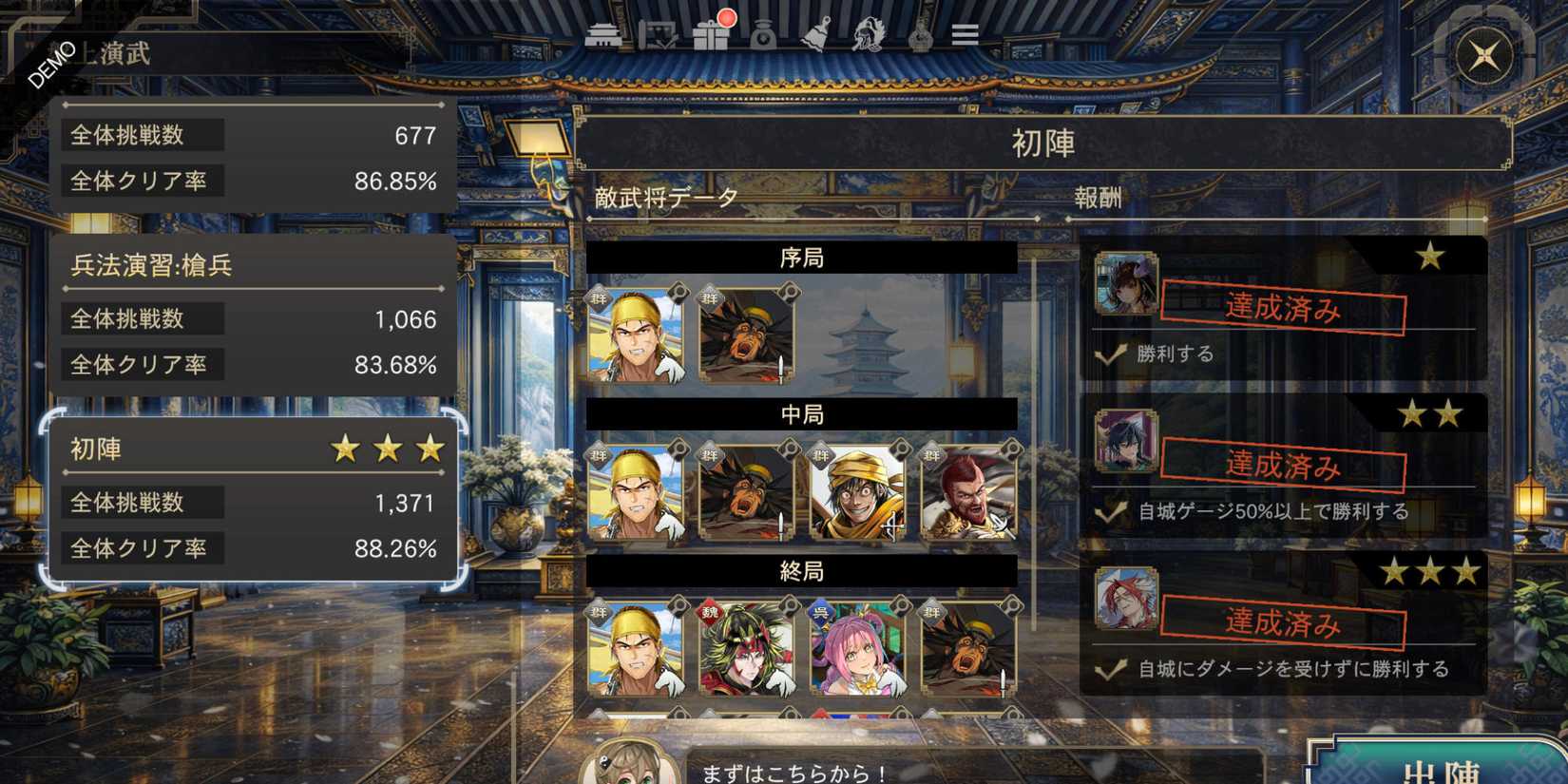
True to the auto-battler genre, the player’s agency during the combat phase is limited to initial positioning and the deployment of pre-battle instructions. The game’s "auto-place" system is a helpful inclusion, offering suggested formations based on the specific enemy composition. This feature serves as a bridge for players who are still learning the ropes, allowing them to see how the computer prioritizes positioning against certain threats. However, as the developer intended, the most profound victories come when the player overrides these suggestions to trigger specific special abilities or stat boosts that turn the tide of battle.
Navigating the Learning Curve
During our time with the demo, it became clear that Sangokushi Bond is a game that demands patience. While the interface does a commendable job of conveying unit stats and active abilities, the why behind certain outcomes is not always immediately apparent. One might see a unit’s special ability trigger, yet fail to understand the specific chain of events that caused it. This creates a "learning by failing" loop—a common trope in roguelikes and complex strategy games.

There is a palpable sense of accomplishment when a strategy clicks, but there are also moments of frustration when a well-laid plan goes awry due to a misunderstanding of timing or range. The game currently occupies a space where it feels deeply rewarding for those willing to study its systems, but it arguably lacks the immediate feedback loop required for the average player to feel empowered from the first match.
Official Insights: The Vision for Player Growth
Recognizing the steepness of the learning curve, we reached out to Nishi-P to discuss how the team plans to guide players through the complexities of the game. His response was both encouraging and detailed, emphasizing a philosophy of gradual discovery.
"First, we will have tutorials that teach the basic controls and core rules of the game," Nishi-P stated. "As players clear those tutorials, more than 100 generals will gradually gather under their command. With each new general, players will want to try new army compositions, and naturally, the way they approach battles will become easier and more enjoyable."
This "progressive empowerment" strategy seems central to the Get Wrapped Up design philosophy. Rather than overwhelming the player with all the mechanics at once, the game aims to drip-feed complexity. Nishi-P’s vision is for players to develop their own "personal playstyle" over time, discovering unique synergies that the developers may not have even prioritized in the initial testing phases.
Strategic Depth vs. Statistical Advantage
One of the most burning questions for any strategy game enthusiast is the balance between raw stats and tactical maneuvering. Is a high-force unit always the victor? According to Nishi-P, the game is designed to maintain a delicate equilibrium.
"Unit stats are extremely important," Nishi-P noted. "However, weapon-type advantages are designed to be strong enough to overturn the raw numbers in certain situations by around 30 to 50 percent. A unit with 1 Force should not be able to defeat a unit with 10 Force simply because of weapon advantage. But if a unit with 5 Force is fighting a unit with 7 Force, there may be situations where the lower-stat unit can win by making good use of weapon advantage, special traits, positioning, or synergy."
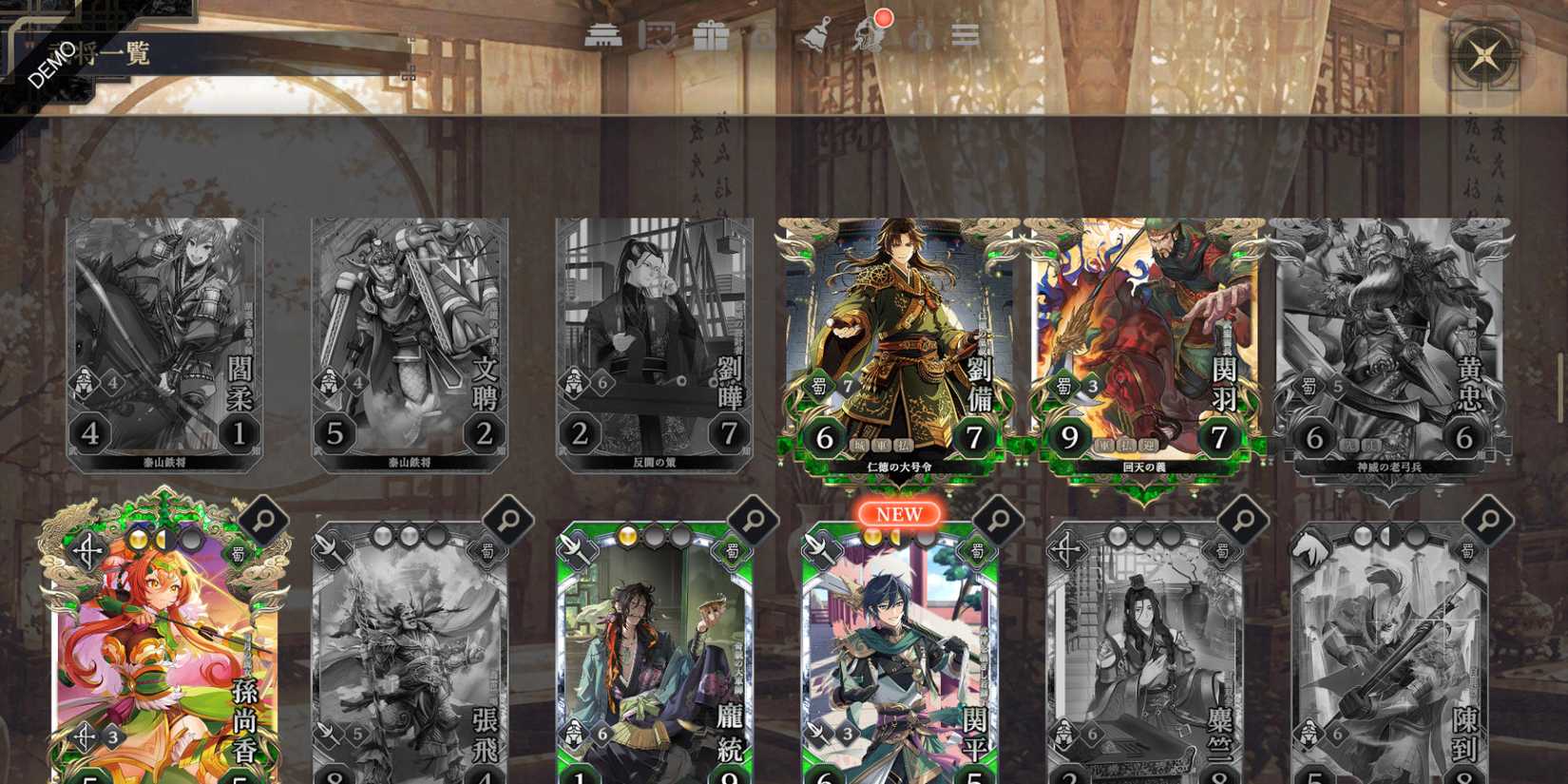
This insight reveals the "sweet spot" the developers are aiming for: a game where math provides the foundation, but strategy provides the ceiling. It encourages players to study the matchups rather than simply grinding for the highest-tier units, ensuring that there is always a path to victory for a clever commander, even when the odds seem statistically insurmountable.
The Philosophy of the Comeback
Perhaps the most intriguing aspect of our discussion centered on the "early-game slump." In many competitive games, an early disadvantage can feel like a death sentence. Sangokushi Bond approaches this through the lens of long-term planning and the distinct archetypes of its decks.
Nishi-P explained that the game’s meta includes both early-game-focused decks and late-game-focused decks. For the latter, the strategy is not to dominate the opening minutes but to "minimize damage" and survive until the final phase where their strengths can truly shine. This implies that the game is as much about psychological resilience as it is about unit placement. The ability to recognize a losing position and pivot, or to hold one’s ground in anticipation of a late-game surge, is what differentiates the casual player from the seasoned strategist.
Implications for the Future of the Genre
The release of Sangokushi Bond on July 14, 2026, for $7.99 in Early Access, marks an important moment for the strategy genre on Steam. It is a title that sits at the intersection of the rigid, high-stakes history of the Japanese arcade and the flexible, experimentation-friendly nature of modern PC gaming.
The success of Sangokushi Bond will likely hinge on two factors: the effectiveness of its planned onboarding tutorials and the transparency of its underlying systems. If the game can successfully communicate its complex interactions to the player without holding their hand too much, it has the potential to become a staple of the deckbuilding and auto-battler communities.
For those who enjoy the "roguelike unpredictability" that the Steam Next Fest demo teased, the game offers a promising, albeit demanding, adventure. It is a testament to the fact that even as gaming evolves, the fundamental allure of the "general"—the ability to command, adapt, and overcome—remains a powerful and enduring hook. As we await the full Early Access launch, one thing is certain: Nishi-P and his team are not just building a game; they are building a bridge to a legacy, and it will be fascinating to see if the community is ready to cross it.


 Asro
Asro
 Muslim