
For nearly three decades, the purple, flame-breathing dragon known as Spyro has been a fixture of gaming history. Since his 1998 debut on the original PlayStation, the series has seen peaks, valleys, and a massive resurgence through Toys for Bob’s acclaimed Spyro Reignited Trilogy. However, while modern players have enjoyed the high-definition polish of the remakes, a dedicated segment of the community has long sought to experience the original 1998 classic in a modern environment.
That dream is now approaching reality. A fan-driven project is currently in the late stages of development, bringing the original Spyro the Dragon to Windows 11 as a native PC port. This endeavor, powered by cutting-edge reverse engineering, promises to strip away the limitations of 1990s hardware, offering a glimpse of a childhood classic through a high-definition lens.
The Core Revelation: Native PC Performance
The news broke in late June 2026, when prominent speedrunner and community member Lumilaura shared a video on social media platform X. The footage was striking: the familiar, blocky charm of the original Spyro the Dragon was running natively on a Windows 11 machine.
"You’re not dreaming, this is Spyro 1 running natively on Windows 11," Lumilaura stated. The demonstration showcased the game operating with a level of fluidity and visual clarity never before possible on the original PlayStation hardware. By bypassing the emulation layer that has historically defined how fans play PS1 titles on PC, this project achieves a level of fidelity that feels contemporary while remaining faithful to the original source code.
A Chronology of the "OpenPETE" Project
The journey to this moment was not an overnight success; it is the culmination of years of meticulous digital archaeology.
- The Inception (2025): The Moby Collective, a group of dedicated programmers and reverse-engineering enthusiasts, officially launched the Spyro 1 decompilation project. Their goal was to translate the original game’s machine code back into readable, manageable source code.
- The Technical Milestone: Throughout 2025 and early 2026, the team chipped away at the game’s binary structure. By mid-2026, the project had reached a significant milestone: 88% of the game’s functions had been successfully decompiled, alongside 58% of its raw data bytes.
- The Hybrid Breakthrough: The current state of the project is made possible by the "OpenPETE decomp + recomp hybrid," a specialized framework developed by porters Amec and tyscorp. This hybrid approach allows the game to function as a native executable on modern x64 architecture.
- The Reveal (June 2026): Lumilaura’s public demonstration confirmed that the engine is not only functional but capable of massive performance gains, including frame rates that far exceed the original 30FPS cap of the PlayStation version.
Technical Specifications and Visual Enhancements
What makes this port a "holy grail" for fans isn’t just the fact that it runs; it’s how it runs. The transition from the limited hardware of the 90s to modern PCs has unlocked several key visual and performance features:
1. Frame Rate and Widescreen Support
The original PS1 release was locked to 30 frames per second—a standard of the era. The native port, however, has been observed running at a staggering 320 frames per second in testing environments. Furthermore, while the original game was designed for 4:3 cathode-ray tube televisions, this port implements "true widescreen" support, allowing players to utilize modern 16:9 or even ultrawide monitors without the visual stretching or cropping often seen in emulated versions.
2. Eliminating PS1 Artifacts
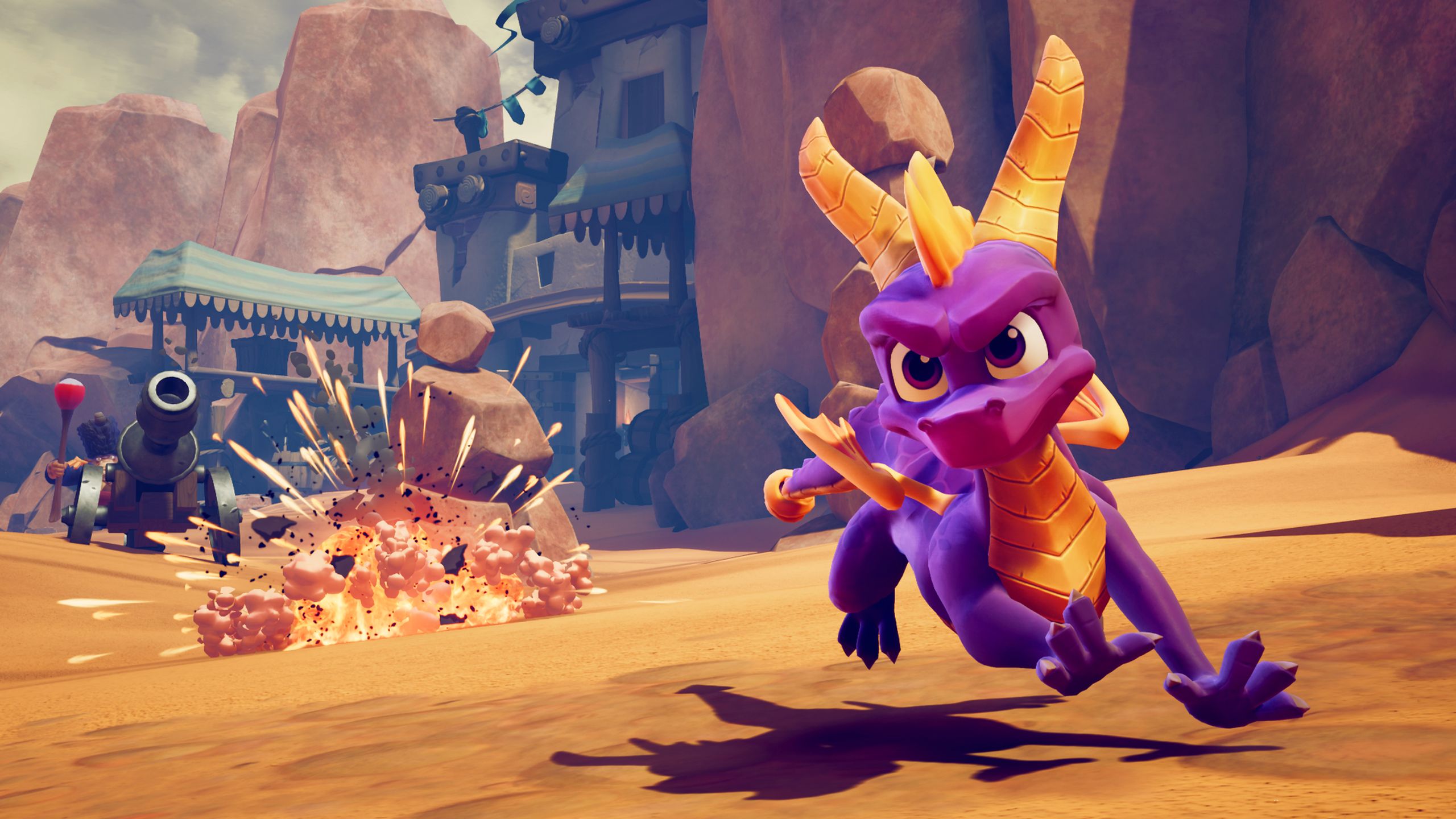
For many, the "polygon wobble" and perspective-warped textures of the PS1 era are nostalgic, but for those seeking a crisp experience, they are artifacts of hardware limitations. The port resolves these by utilizing modern rendering techniques. Perspective-correct texturing ensures that surfaces look solid and stable regardless of the camera angle, while the removal of polygon jitter provides a clean, modern aesthetic that bridges the gap between the 1998 classic and the 2018 Reignited look.
3. The "No AI" Commitment
In an era where generative AI is increasingly utilized to upscale assets or "remaster" games, the developers have been explicitly clear about their methodology. Lumilaura and the core team behind the port have emphasized that the project is built entirely through human-led reverse engineering. This manual approach preserves the integrity of the original game’s animation timing, hitboxes, and "feel," which are often inadvertently altered by automated upscaling tools.
Challenges and Future Development
Despite the excitement, the team has been transparent about the current state of the software. "The port is still very unfinished," Lumilaura noted in a subsequent Reddit post.
Current technical hurdles include:
- Visual Artifacts: Testers have reported intermittent camera flashes and rendering glitches.
- Camera Calibration: The way the camera tracks the character at high frame rates has introduced some "awkward" motions that can induce motion sickness in some players.
- Optimization: While the game can hit hundreds of frames per second, the underlying stability is still being refined to ensure a consistent experience across different hardware configurations.
Because of these "rough edges," the code has not yet been released to the public. The developers are currently in a "polish phase," working to ensure that when the code is eventually shared with the community, it provides a stable, enjoyable experience rather than a broken curiosity.
The Broader Landscape: Spyro in 2026 and Beyond
The timing of this project is particularly interesting given the state of the Spyro franchise. After years of dormancy, the brand is experiencing a significant revival.
The Spyro Reignited Trilogy currently serves as the definitive way for most modern players to experience the first three games. However, the announcement of Spyro: A Realm Beyond—the first truly original entry in the series in nearly two decades—has energized the fanbase. With A Realm Beyond slated for a 2027 release, the community finds itself in a unique position: they are simultaneously looking forward to the future of the franchise while aggressively preserving its past.
Implications for Game Preservation
The Spyro 1 PC port is part of a larger trend of "decompilation projects" that are revolutionizing video game preservation. Projects like Super Mario 64 PC, Zelda: Ocarina of Time, and Perfect Dark have shown that when a community gains access to the source code of a classic, they can ensure that game survives on any platform, forever.
By "recompiling" these games, developers are effectively future-proofing them. Unlike emulation, which mimics old hardware and can often suffer from inaccuracies, a native port runs directly on the user’s OS. This makes the game easier to mod, easier to translate, and easier to play on portable devices like the Steam Deck or future hardware that may not support traditional emulators.
Conclusion: A Labor of Love
The story of the Spyro PC port is ultimately a testament to the longevity of the platformer genre and the passion of the gaming community. While Activision owns the intellectual property and Toys for Bob continues to build the series’ future, the fans are ensuring that the history of the "little dragon" remains accessible.
As we await the official launch of Spyro: A Realm Beyond in 2027, the prospect of playing the original 1998 adventure at 60+ FPS on a modern monitor serves as a bridge between generations. For those who grew up in the era of memory cards and analog sticks, the arrival of this port will be more than just a software update; it will be a chance to see a piece of their childhood finally freed from the constraints of time.