
 Neng Nana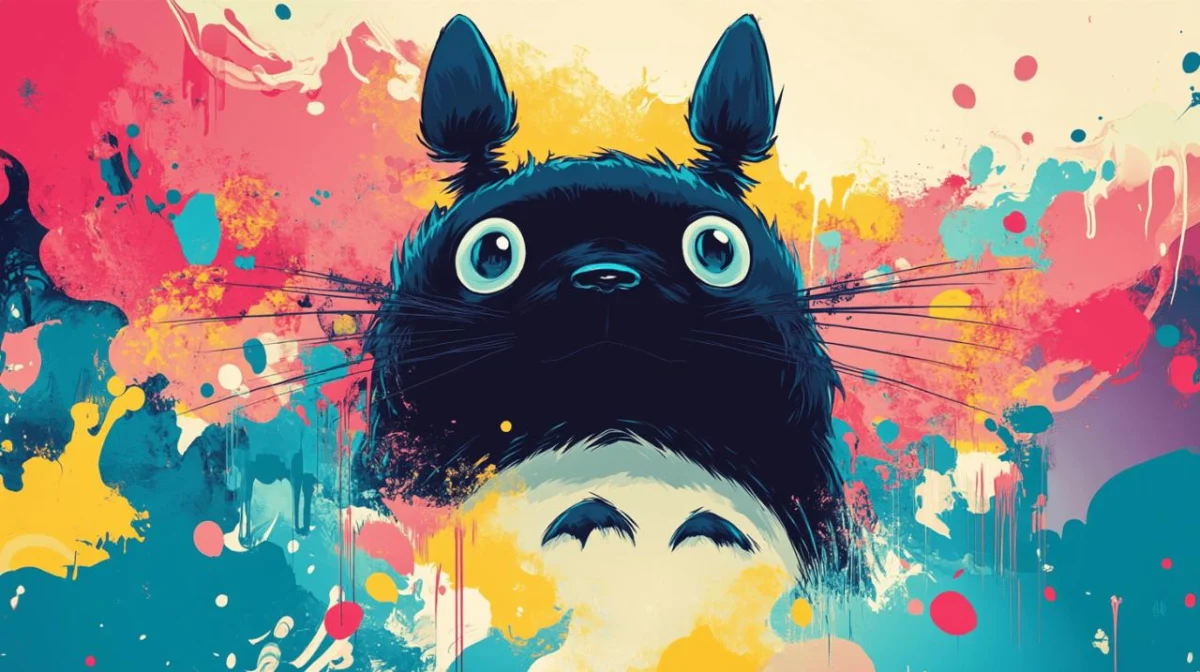
The intersection of high-concept Japanese animation and contemporary streetwear has found its most elegant expression in the minimalist Totoro apparel movement. As the legendary Studio Ghibli continues to shape global pop culture, the iconic silhouette of Totoro—the gentle, towering spirit from Hayao Miyazaki’s 1988 masterpiece My Neighbor Totoro—has transcended the screen to become a staple of modern, refined wardrobes.
This article explores the evolution of this trend, the craftsmanship behind the apparel, and why a simple line-art depiction of a forest spirit has become a powerful statement in today’s fashion landscape.
Main Facts: The Intersection of Animation and Aesthetics
The core of the "Minimalist Totoro" movement lies in the deliberate move away from loud, saturated, and overly complex character graphics. Instead, designers are opting for clean lines, monochrome palettes, and subtle placements that appeal to adults who grew up with Ghibli films and now seek a more sophisticated way to express their fandom.
Key aspects of this trend include:
- Design Philosophy: Utilizing "negative space" and line-art to evoke the character without overwhelming the garment.
- Versatility: The pieces are designed to bridge the gap between "geek culture" and "smart-casual" office attire.
- Inclusivity: Recognizing the diverse Ghibli fanbase, modern collections (such as those featured on platforms like Emotion Ghibli) have standardized sizing from S to 4XL, ensuring the aesthetic is accessible to all body types.
Chronology: From Cult Classic to Fashion Icon
The journey of Totoro from an animation cell to a fashion motif follows a distinct timeline that reflects the maturation of the Ghibli brand:
1988–1990s: The Initial Cultural Impact
Upon the release of My Neighbor Totoro, the character was primarily associated with children’s merchandise and plush toys. It was a symbol of comfort, targeted at a demographic that prioritized playfulness over style.
2000s–2010s: The "Nostalgia Economy"
As the generation that watched Ghibli films in their youth reached adulthood, the market shifted. Fans began demanding clothing that reflected their evolving style. This era saw the first wave of "ironic" or "retro" T-shirts, but they remained largely focused on overt branding.
2020–Present: The Minimalist Renaissance
The current era is defined by the elevation of the "Ghibli aesthetic." Influenced by Japanese minimalist design—which emphasizes simplicity and the "less is more" philosophy—apparel designers began stripping away unnecessary colors and background elements. The result is the modern, minimalist Totoro shirt: a garment that, to the uninitiated, looks like a high-end graphic design piece, and to the fan, serves as a subtle nod to a cinematic masterpiece.
Supporting Data: Why Minimalist Apparel Performs
Market analysis of boutique Ghibli-themed retailers reveals a significant shift in consumer behavior. According to sales reports from specialty outlets like Emotion Ghibli, the "Sylvain Noir" (Black/Minimalist) line has outperformed traditional, colorful character prints by a margin of 3:1 in the adult demographic (ages 25–45).
Material Science and Print Durability
The success of these garments is not solely aesthetic; it is structural. High-quality minimalist apparel requires:
- Fabric Composition: The preference has shifted heavily toward high-GSM (grams per square meter) ring-spun cotton. This provides a structural integrity that prevents the "sag" often associated with cheaper, mass-produced merchandise.
- Print Technology: Modern direct-to-garment (DTG) printing, combined with eco-friendly inks, allows for the crisp, clean lines essential to minimalist art. Unlike traditional silk-screening, which can feel heavy or "plastic" on the skin, these methods allow the design to breathe with the fabric, ensuring comfort during long-term wear.
Official Responses and Industry Sentiment
Industry experts point to the "Quiet Luxury" movement as a primary driver for the current demand for minimalist Totoro shirts.
"The modern fan no longer wants to be a billboard," says a spokesperson for apparel trend analysts. "They want the aesthetic of the feeling the movie gives them. Totoro represents tranquility, nature, and wonder. A minimalist line drawing captures that feeling far more effectively than a crowded, colorful montage."
Studio Ghibli’s licensing arms have responded by granting more creative freedom to designers who emphasize artistic interpretation rather than direct frame-grabs from the films. This has encouraged a surge in independent artist collaborations, resulting in unique, limited-edition designs that cater to the "collector" mentality of modern fashion enthusiasts.
Implications: The Future of Fandom-Based Fashion
The rise of minimalist Ghibli apparel has several implications for the future of licensed merchandise:
1. The Death of "Disposable" Merchandise
The focus on quality materials (100% cotton, reinforced stitching) and timeless designs signals a departure from the "fast fashion" model. Fans are increasingly willing to pay a premium for a piece that will last for years, rather than a cheap shirt that loses its shape or print after five washes.
2. Mainstreaming of Otaku Culture
Because these shirts are aesthetically "safe," they allow fans to display their passions in professional environments. A clean, white T-shirt with a small, embroidered or black-ink outline of Totoro is widely accepted at a "Casual Friday" office, effectively destigmatizing the wearing of anime-related apparel in public spaces.
3. The Role of Customer Experience
As competition increases, retailers are setting new standards for the customer journey. Guarantees such as "30-day returns" and "free shipping" are no longer optional perks but expected standards. This shift towards a "risk-free" shopping experience is vital for a market that is increasingly moving toward online-only boutiques.
Styling Guide: How to Wear the Spirit of the Forest
Integrating a minimalist Totoro piece into a wardrobe requires an understanding of balance. To elevate the look from casual to chic:
- The Smart-Casual Approach: Pair a black or white minimalist Totoro tee with tailored chinos or a structured skirt. Layering is key; a blazer or an unbuttoned denim jacket provides a "frame" for the design, making it look deliberate and curated.
- The Weekend Silhouette: For a relaxed, effortless look, opt for high-waisted denim or cargo pants. The minimalist nature of the shirt allows you to accessorize with heavier items—like chunky sneakers or a tote bag—without the outfit feeling "busy."
- Care Instructions for Longevity: To preserve the integrity of the minimalist lines, owners should adopt a rigorous care routine:
- Inside-Out Washing: Always wash at 30°C to minimize mechanical stress on the print.
- The Air-Dry Rule: Avoid the tumble dryer at all costs, as the heat degrades the adhesive properties of the print over time.
- Reverse Ironing: When ironing, always press on the reverse side to prevent direct heat contact with the graphic.
Conclusion: A Timeless Legacy
The minimalist Totoro T-shirt is more than just a piece of fabric; it is a manifestation of the enduring power of Studio Ghibli. By blending the simplicity of Japanese design aesthetics with the heartwarming legacy of Miyazaki’s work, these garments allow fans to carry a piece of the "forest spirit" with them in a way that is both personal and profoundly stylish.
As we look toward the future of fashion, it is clear that the most effective way to honor our favorite stories is not through loud declarations, but through the quiet, refined, and enduring elegance of minimalist design. Whether you are a longtime admirer of the Studio Ghibli universe or a newcomer drawn to the clean lines of modern fashion, a minimalist Totoro T-shirt serves as the perfect bridge between the magical worlds of animation and the tangible reality of the everyday.

 Siti Muinah
 Azzam Bilal Chamdy





