Nana Muazin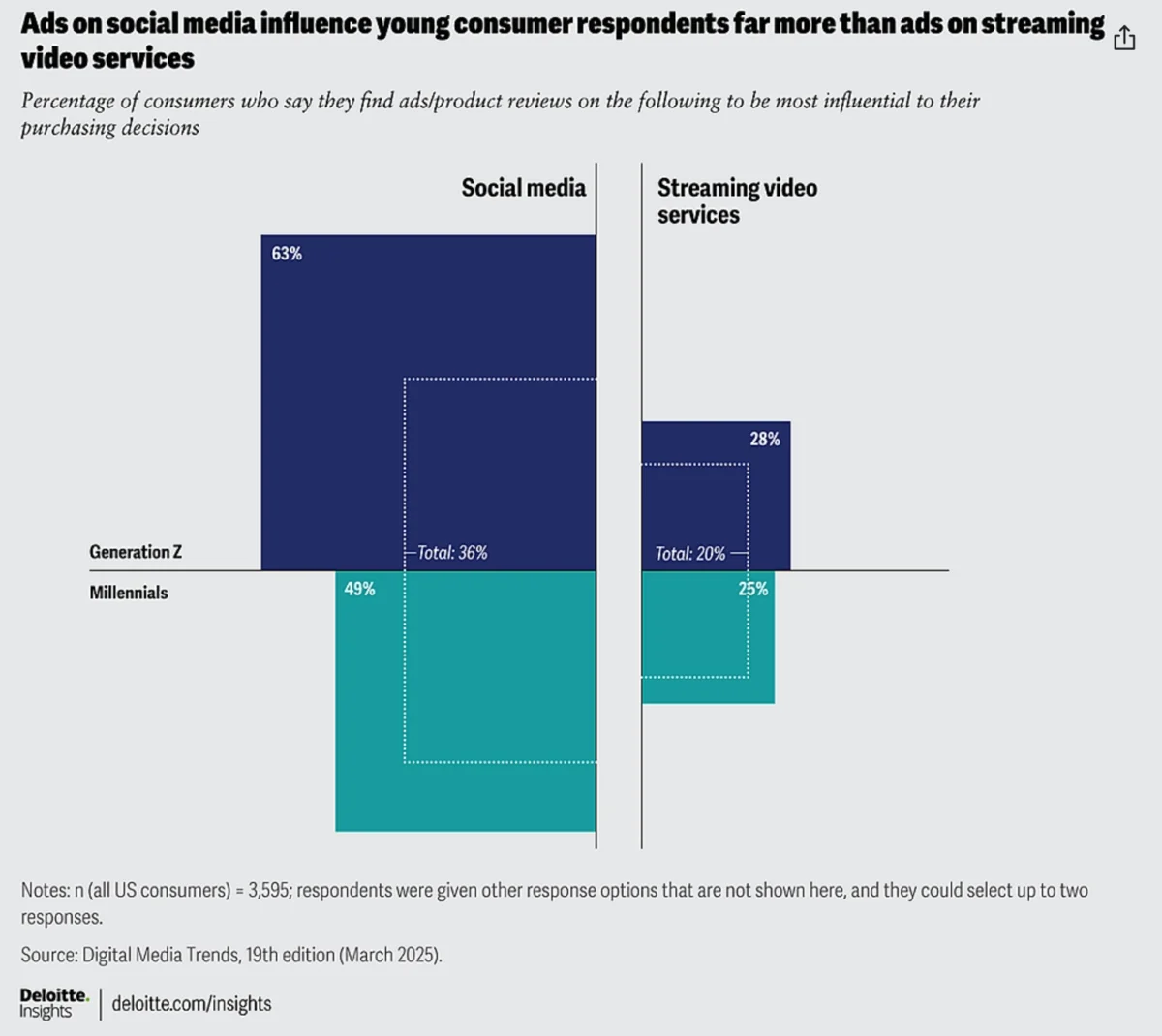
First, Generation Z challenged our fashion sensibilities by rejecting skinny jeans and side parts. Then, they questioned our digital etiquette, signaling the end of the "crying-laughing" emoji. But to dismiss these shifts as mere aesthetic preferences is a strategic blunder. Gen Z is not just changing the trends; they are fundamentally rewriting the rules of consumer engagement, search behavior, and brand loyalty.
For the modern marketer, Gen Z represents a demographic that can detect an inauthentic campaign from miles away. As we navigate 2026, understanding this cohort is no longer optional—it is the prerequisite for survival. With 2.9 billion people worldwide, or nearly 23% of the global population, their influence is absolute. Here is the definitive breakdown of the statistics, trends, and implications shaping the Gen Z marketing landscape.

1. The Demographic Landscape: Who is Gen Z?
While definitions fluctuate, the most widely accepted demographic window for Gen Z encompasses those born between 1997 and 2012. As they transition into their peak earning and spending years, their presence in the global workforce is becoming impossible to ignore.
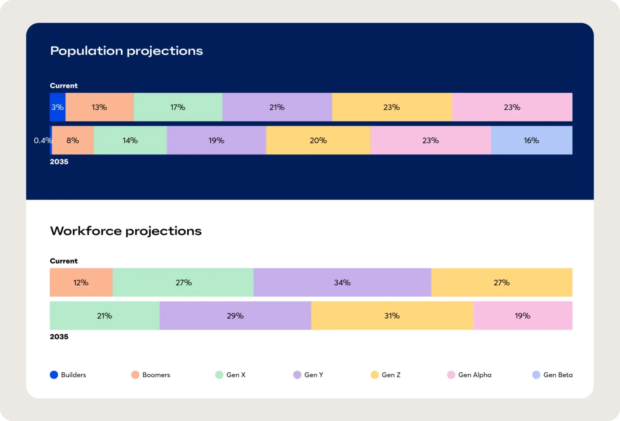
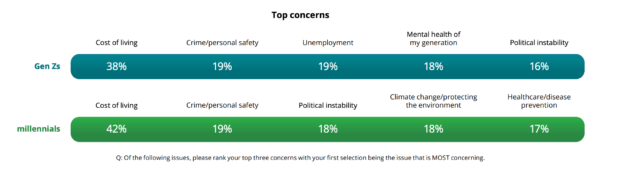
Currently, Gen Z accounts for 27% of the total global workforce. Projections indicate this will climb to 31% by 2035, cementing their status as the dominant professional generation. However, their professional trajectory is marred by economic anxiety. According to the 2026 Global Gen Z and Millennial Survey from Deloitte, the rising cost of living is the primary concern for 38% of Gen Z, leading many to delay milestones like homeownership and starting a family.

This financial pressure necessitates a shift in brand messaging. Brands that attempt to project an air of unearned luxury will fail; those that acknowledge the economic "squeeze" and prove tangible value will earn long-term loyalty.
Furthermore, this is the most diverse generation in history. One-quarter of Gen Z identifies as Hispanic, and 24% identify as LGBTQ+. For marketers, this means that inclusivity is not a checkbox—it is a baseline requirement for authentic connection.
2. Digital Fatigue and the Search Revolution
Despite being "digital natives," Gen Z is increasingly reporting digital fatigue. With 58% of the cohort feeling overwhelmed by their feeds, the volume of content is no longer a winning strategy. The new mandate is quality over frequency.
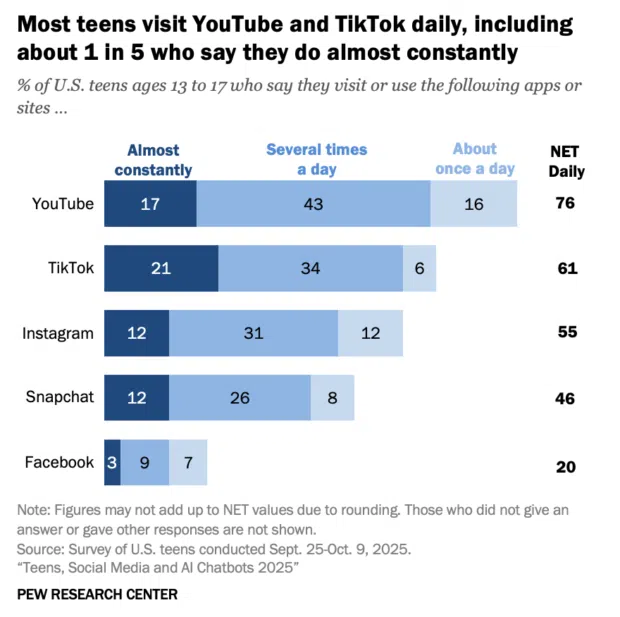
Perhaps the most disruptive shift is the evolution of search. For Gen Z, the days of relying exclusively on Google are over. Approximately 40% of Gen Z consumers now use TikTok as a primary search engine. When looking for recommendations, product comparisons, or tutorials, they go straight to the app.
Furthermore, 12% of Gen Zers have begun relying on AI-driven platforms like ChatGPT for search queries. This decentralization of information means that if your brand is not optimized for social search—via keyword-rich captions, clear video metadata, and authentic social proof—you are effectively invisible to a massive segment of the market.
3. The New TV: Social Media as Primetime
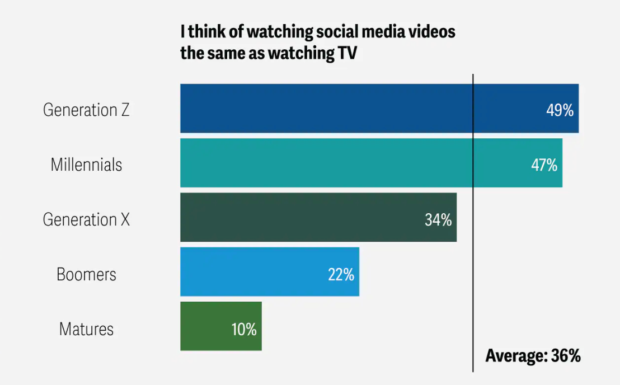
The boundary between "television" and "social media" has effectively dissolved. For Gen Z, the two are no longer distinct categories. Nearly half (49%) of Gen Z perceive social media videos as being equivalent to traditional TV.
This is supported by the fact that 58% of Gen Z spends more time watching social media videos than they do on streaming services like Netflix or Disney+. They find social content more relevant, hyper-personalized, and engaging. Consequently, marketers must stop treating social video as a "scrappy" alternative to TV spots. For the modern consumer, social video is the primetime experience.
4. The Power of Influence and Social Commerce
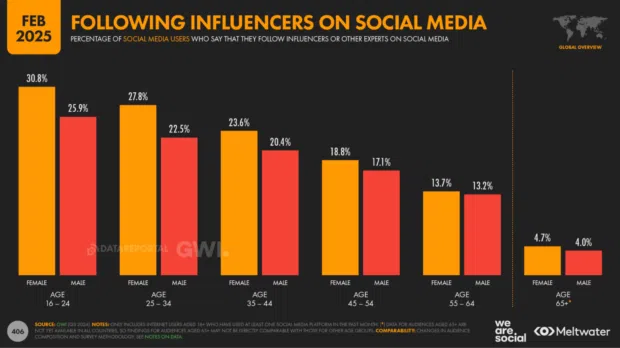
If you want to reach Gen Z women, influencers are your direct line. With 30% of Gen Z women following influencers—the highest rate across any demographic—creator partnerships are essential. However, the nature of this influence has changed. It is no longer about polished, high-production celebrity endorsements; it is about the "everyday expert."
Gen Z feels a stronger personal connection to social media creators than they do to traditional TV personalities. This parasocial bond is a catalyst for commerce. 72% of Gen Z have purchased a product directly through a social media app. Because 99% of Gen Z shoppers utilize their smartphones for online purchases, the path from "scroll" to "checkout" must be frictionless. If a consumer has to leave the app to find your website, you have already lost a significant percentage of your conversion potential.
5. The AI Paradox: Adoption vs. Anxiety
Gen Z’s relationship with Artificial Intelligence is complex. On one hand, they are the most tech-forward generation, with 74% using AI in their day-to-day work—a significant leap from 57% just one year ago.
However, there is a growing sense of skepticism. According to the Gallup Voices of Gen Z report, optimism regarding AI has plummeted. The share of Gen Z excited by AI fell from 36% in 2025 to 22% in 2026. Simultaneously, feelings of anxiety related to AI have spiked to 42%.
For brands, this implies that while AI can be used to improve personalization (52% of Gen Z shoppers actually enjoy AI-driven product recommendations), it must be implemented with radical transparency. Privacy and data ethics are not optional; they are the bedrock of trust.

6. Strategic Implications for 2026 and Beyond
As we synthesize these data points, several clear strategic imperatives emerge for marketers:
- Prioritize Social SEO: You must optimize for discovery on TikTok and Instagram as rigorously as you do for Google. This includes utilizing long-tail keywords in your video descriptions, using descriptive hashtags, and ensuring your video content directly answers the questions your audience is asking.
- Embrace "Human-First" AI: Use AI to handle the heavy lifting of data analytics and personalization, but ensure the final output feels human. Gen Z is hyper-sensitive to "corporate" or "robotic" tone.
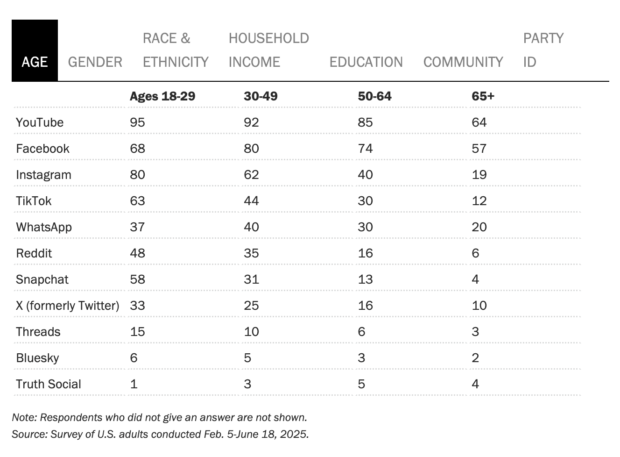
- Cultivate Community over Reach: With 48% of Gen Z adults using Reddit to air complaints and compare products, brands need to engage in social listening. Do not just broadcast; participate in the conversation. Authentic engagement in niche communities builds a level of trust that paid advertising cannot replicate.
- Frictionless Conversion: If your checkout process requires more than three taps, it is outdated. Invest in digital wallet integrations like Apple Pay and Google Pay to capture the mobile-first, impulse-driven nature of Gen Z shopping habits.
Conclusion: The Path Forward
Gen Z is not a monolith; they are a diverse, anxious, tech-savvy, and highly discerning generation. They do not just buy products; they buy into values, authenticity, and relevance.
The statistics for 2026 paint a clear picture: the old "broadcast and hope" model of marketing is dead. In its place is a new ecosystem defined by peer-to-peer influence, algorithmic discovery, and deep integration between social platforms and commerce. Brands that can successfully navigate this landscape—by being useful, transparent, and present where their customers are—will find that Gen Z is not just a challenging audience, but a fiercely loyal one.
As you look toward the next quarter, ask yourself: Is your brand simply shouting into the digital void, or are you joining the conversation where Gen Z is actually listening? The answer will define your success for the rest of the decade.


 Ammar Sabilarrohman
 Siti Muinah