Pevita Pearce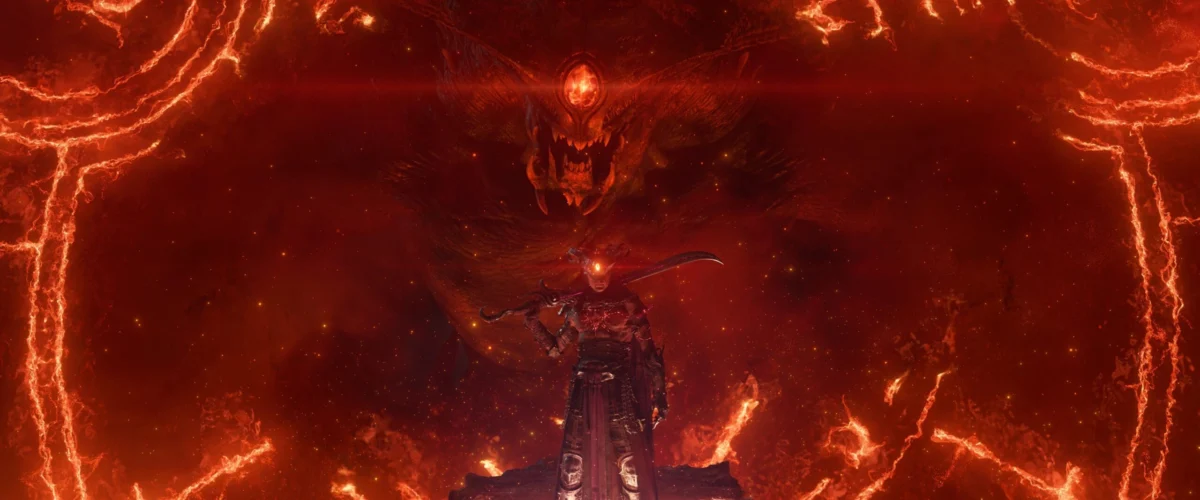
Sanctuary, a realm perpetually scarred by conflict, is poised for a new chapter of chaos and conquest. Blizzard Entertainment has officially lifted the veil on the Warlock, the enigmatic second class destined to join the ranks of heroes in Diablo 4 with the highly anticipated Lord of Hatred expansion. This revelation, a cornerstone of the recent Diablo 30th Anniversary Spotlight, signals a significant expansion of Diablo 4‘s universe, promising not only a fresh playstyle but also a wealth of new content, systems, and a captivating region to explore.
The Warlock emerges as a stark counterpoint to the previously announced Paladin, offering players a descent into forbidden knowledge and the perilous embrace of demonic power. Slated for release alongside the full Lord of Hatred expansion in late April, the Warlock represents a strategic move by Blizzard to diversify gameplay options and deepen the lore of Sanctuary. Beyond the new class, the expansion will introduce the Mediterranean-inspired region of Skovos, innovative endgame modes like War Plans and Echoing Hatred, and the long-awaited return of the iconic Horadric Cube, promising to reshape the very fabric of character progression and itemization.
Adding to the excitement, the Warlock’s influence extends beyond Diablo 4, making its presence felt across the franchise with new content for both Diablo Immortal and, notably, Diablo 2: Resurrected, where it marks the first new class in 25 years. This multi-platform integration underscores Blizzard’s commitment to a cohesive and evolving Diablo universe.
The Rise of the Warlock: Embracing Forbidden Power
The Warlock class is positioned as the quintessential antihero, a figure who dares to tread where others fear, harnessing the very essence of Hell to combat its infernal masters. Unlike the righteous zeal of the Paladin, who draws strength from faith and the Light, Warlocks forge pacts with insidious entities, delving into forbidden grimoires and arcane rituals to wield destructive magic. This thematic opposition creates a compelling dynamic within Diablo 4‘s class roster, offering players a darker, more morally ambiguous path to power.
While concrete gameplay details remain under wraps until a dedicated livestream on March 5, the Warlock’s identity strongly suggests a mastery over dark elemental forces, curses, and potentially even summoning lesser demons or creating unholy constructs. Players can anticipate a playstyle rich in tactical depth, perhaps involving the careful management of demonic corruption, sacrificial mechanics, or potent debuffs that cripple foes before delivering devastating blows. Imagine unleashing torrents of shadow energy, siphoning life from enemies, or binding infernal spirits to your will, all while navigating the precarious balance between immense power and the encroaching influence of the Abyss.
The Warlock’s introduction will undoubtedly appeal to players who relish complex, high-risk, high-reward classes. Its potential toolkit could include unique resource management systems, perhaps drawing upon a form of "corruption" or "pact power" that fluctuates based on spell usage or enemy engagement. Abilities might range from single-target curses that spread through enemy ranks, to wide-area-of-effect spells that devastate groups, or even personal buffs that transform the Warlock into a temporary conduit of raw demonic might. This class offers a fascinating alternative to the existing roster, which includes the elemental mastery of the Sorceress, the brute force of the Barbarian, the agile precision of the Rogue, the nature-bound ferocity of the Druid, and the necromantic command of the Necromancer. The Warlock promises to carve out its own niche, focusing on forbidden arts and a direct, albeit dangerous, connection to the very forces that threaten Sanctuary.
A Timeline of Anticipation: From Paladin’s Purity to Warlock’s Shadows
The grand unveiling of the Warlock was a highlight of the Diablo 30th Anniversary Spotlight, an event designed to celebrate three decades of the iconic ARPG franchise. While the revelation of the Warlock was somewhat anticipated, having been reportedly spoiled earlier in the same livestream, its official confirmation sent waves of excitement through the community.
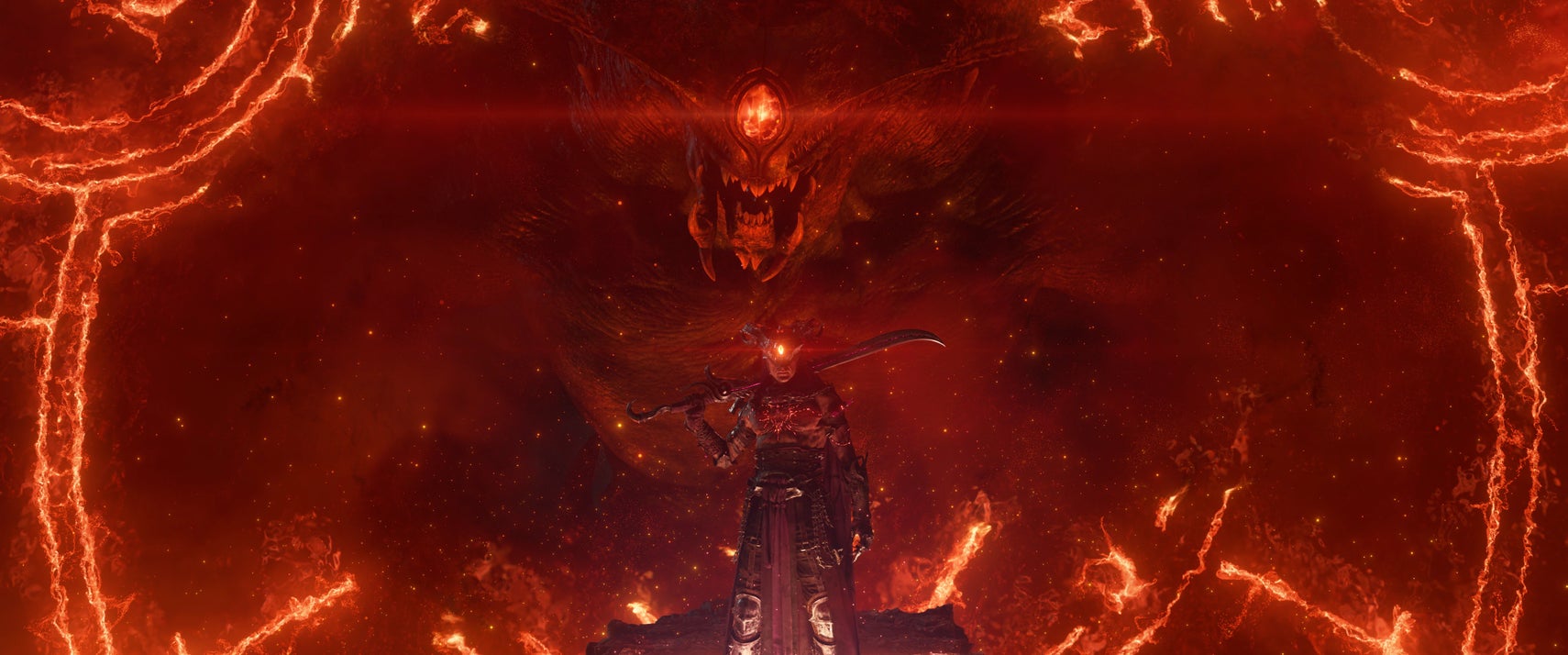
This latest announcement follows a carefully orchestrated series of reveals for the Lord of Hatred expansion. The expansion itself was first teased at The Game Awards, where the first new class, the Paladin, was formally introduced. In a strategic move, Blizzard made the Paladin immediately accessible to players who pre-ordered Lord of Hatred, allowing them to delve into its righteous fury ahead of the expansion’s full launch. This staggered release strategy serves multiple purposes: it rewards early adopters, generates sustained hype, and provides valuable feedback on one of the new classes before the full content drop.
The Warlock, by contrast, is being held back until the expansion’s full release in late April. This deliberate delay builds anticipation, ensuring that players have a fresh class to master right from day one of Lord of Hatred‘s arrival. The upcoming March 5th livestream dedicated solely to the Warlock will provide the first opportunity for fans to witness the class in action, observe its unique mechanics, and delve deeper into its lore and abilities, further fueling the excitement leading up to the expansion. This chronological rollout of information and access has kept the Diablo community engaged and eagerly awaiting each new piece of the Lord of Hatred puzzle.
Unveiling Skovos: A New Frontier in Sanctuary
Beyond the allure of a new class, Lord of Hatred promises to expand the very geography of Sanctuary with the introduction of Skovos. This new region, drawing inspiration from the sun-drenched, ancient aesthetics of the Mediterranean, presents a striking contrast to the grim, gothic landscapes that have traditionally defined Diablo 4. Players can expect to traverse vibrant coastlines, explore crumbling ruins steeped in forgotten history, navigate lush, overgrown jungles, and uncover secrets hidden within sun-bleached temples.
Skovos is not merely a picturesque backdrop for the new narrative arc; it is being deliberately positioned as a crucial endgame destination for Diablo 4. This designation implies that the region will offer sustained challenges, unique activities, and valuable rewards that will keep players engaged long after they complete the main storyline. This is a critical development for Diablo 4, as endgame variety and replayability have been consistent points of discussion within the community. Skovos could feature new types of dungeons, world bosses unique to its environment, faction-specific quests, or even a dynamic world event system tailored to its lore. Its potential as a perpetual source of high-level content suggests a more robust and diverse endgame experience than previously available. The blend of stunning visuals and high-stakes activities within Skovos aims to provide both aesthetic pleasure and compelling gameplay, enriching the overall Diablo 4 experience significantly.
Redefining the Endgame: War Plans and Echoing Hatred
A significant focus of the Lord of Hatred expansion is the enhancement of Diablo 4‘s endgame experience, introducing two innovative modes designed to address player feedback and offer greater variety: War Plans and Echoing Hatred.
War Plans represents a bold step towards player agency and customization in the endgame. This mode allows players to create bespoke playlists of up to five existing endgame activities. The primary goal is to empower players to target specific rewards, tailor their gameplay sessions to their preferences, and optimize their farming strategies. For instance, a player seeking specific gear might queue up a series of Helltides, Nightmare Dungeons, and World Boss encounters, all within a single War Plan. This system is designed to streamline the grind, making progression feel more intentional and less random.
Crucially, War Plans integrate with a new, overarching activity tree. This progression system works in conjunction with all endgame activities, meaning that every endeavor contributes to a broader progression path. By creating and completing War Plans, players will earn progression within this tree, unlocking new bonuses, enhancing existing abilities, or perhaps even gaining access to new content tiers. This aims to provide a clear sense of advancement and purpose, ensuring that all time spent in the endgame feels meaningful. War Plans could significantly improve the long-term appeal of Diablo 4 by offering a more personalized and rewarding grind, fostering diverse build strategies, and allowing players to adapt their endgame goals on the fly.

Echoing Hatred, on the other hand, introduces a high-intensity, rare event that promises to test the mettle of even the most seasoned adventurers. Described as a "horde mode," this event pits players against "legions of Mephisto’s minions" in an unending onslaught. Access to Echoing Hatred is triggered by a rare lootable item, adding an element of unpredictability and excitement to its occurrence.
Unlike the structured approach of War Plans, Echoing Hatred is about pure survival and raw combat prowess. Players will face wave after wave of demonic adversaries, pushing their builds and coordination to the limit. The promise of "a couple of twists" suggests that these events won’t be mere endurance tests. These twists could involve unique environmental hazards, dynamically spawning mini-bosses with specific mechanics, temporary buffs or debuffs, or even evolving objectives that keep players on their toes. Echoing Hatred is likely to be a source of high-tier loot and unique cosmetic rewards, making its rare trigger item a coveted find. It serves as a complementary endgame activity to War Plans, offering a burst of intense, chaotic action for those seeking an immediate challenge and the thrill of overcoming overwhelming odds.
Empowering the Player: Skill Trees, Talismans, and the Horadric Cube
Beyond new classes and endgame modes, Lord of Hatred will introduce several fundamental system enhancements that promise to deepen character customization and itemization for all players, regardless of whether they own the expansion.
One of the most impactful changes will be expanded class skill trees. This global update will benefit every class in Diablo 4, offering more nodes, branching paths, and potentially entirely new active or passive skills. This expansion is crucial for increasing build diversity, allowing players to fine-tune their characters with greater precision and explore a wider array of synergistic combinations. It directly addresses community desires for more meaningful choices in character progression and the ability to craft truly unique and powerful builds.
The Talisman system makes its debut, introducing a new layer of itemization centered around unlocking set bonuses. While details are still emerging, this system is likely to function similarly to set items in previous Diablo titles, where collecting specific Talismans or combining them in a particular way grants powerful stat boosts, unique effects, or transformative abilities. The Talisman system will encourage players to hunt for specific items, adding another compelling chase mechanic to the game and offering new avenues for optimizing character power beyond traditional legendary and unique items. Its integration will require players to rethink their gear strategies, potentially leading to exciting new meta builds.
Perhaps the most iconic return is that of the Horadric Cube. A legendary artifact from Diablo 2, the Cube has long been revered for its alchemical properties and transformative powers. In Diablo 4, its primary function will be to grant players "control over Affixes." This is a monumental addition, as affixes (the random properties on items) are central to a character’s power and build effectiveness. The ability to manipulate, reroll, or even add specific affixes to items will be a game-changer for min-maxing, crafting, and perfecting gear. No longer will players be entirely at the mercy of RNG; the Horadric Cube will introduce a layer of deterministic crafting, allowing for greater player agency in shaping their equipment. This could involve combining items to create new ones, rerolling specific stats, extracting legendary aspects, or even upgrading item quality. The Horadric Cube’s return is a nostalgic nod to the franchise’s history while simultaneously providing a powerful new tool for Diablo 4‘s modern item economy and character progression.
A Franchise-Wide Embrace: Warlock Across the Diablo Universe
The Warlock’s influence is not confined solely to Diablo 4; the Diablo 30th Anniversary Spotlight revealed that this dark class will also make its way to Diablo Immortal and, perhaps most surprisingly and significantly, to Diablo 2: Resurrected.

For Diablo Immortal, the Warlock will undoubtedly offer a fresh gameplay experience within the mobile ARPG’s fast-paced, action-oriented combat. Adapting the Warlock’s potential curses, summons, and dark magic to the touch-screen interface will be an interesting design challenge, but its introduction will provide Immortal players with a new avenue for character progression and team composition.
However, the most impactful cross-game announcement was the Reign of the Warlock DLC for Diablo 2: Resurrected. This marks a monumental moment for the classic title, as the Warlock will be D2R‘s first new class in 25 years. For a game revered for its legacy and meticulously preserved gameplay, introducing a new class is an unprecedented event that speaks volumes about Blizzard’s commitment to revitalizing its older titles. The Reign of the Warlock DLC, available now, is more than just a new character; it also includes a suite of updates for D2R, such as new quality-of-life features, the challenging Colossal Ancients endgame encounter, and updated Terror Zones. Furthermore, purchasing this D2R expansion grants players exclusive cosmetics in Diablo 4, creating a compelling cross-game incentive. This move signifies a willingness to evolve even the most beloved classics, offering both nostalgic fans and new players fresh content while celebrating the enduring appeal of Diablo 2.
Blizzard’s Vision: Official Stances and Future Roadmaps
While direct quotes from Blizzard officials were not extensively provided in the initial announcement, the strategic rollout of the Lord of Hatred expansion and its features clearly communicates the developer’s vision for Diablo 4 and the broader franchise. Blizzard’s intent appears multi-faceted:
Firstly, they aim to revitalize Diablo 4‘s endgame and address persistent community feedback regarding content variety and replayability. The introduction of War Plans and Echoing Hatred, alongside the expanded skill trees, Talisman system, and Horadric Cube, are direct responses to calls for deeper customization and more engaging long-term progression.
Secondly, there is a clear focus on expanding player choice and fantasy. The Warlock, as an "edgy, antihero counterpart" to the Paladin, offers a distinct narrative and gameplay experience, catering to different player preferences and enriching the thematic depth of Sanctuary. The dedicated livestream on March 5th for the Warlock further emphasizes their commitment to showcasing and elaborating on these new experiences.
Thirdly, Blizzard is committed to celebrating and integrating the Diablo franchise’s legacy. The return of the Horadric Cube and the introduction of a new class to Diablo 2: Resurrected are powerful nods to the series’ storied past, leveraging nostalgia while simultaneously injecting fresh content into older titles. The cross-game cosmetic rewards further weave these experiences together, creating a more unified Diablo universe.
Finally, the staggered content releases and detailed reveals, such as the upcoming Warlock livestream, indicate a sophisticated marketing and community engagement strategy designed to maintain excitement and dialogue around the game for an extended period. This structured approach aims to foster a strong, continuous connection with the player base, ensuring that Diablo 4 remains a dynamic and evolving experience for years to come.

Implications for Sanctuary: The Future of Diablo 4 and Beyond
The Lord of Hatred expansion, spearheaded by the Warlock’s dramatic entrance and a suite of comprehensive updates, carries significant implications for the future of Diablo 4 and the entire Diablo franchise.
Player Engagement and Retention: The expanded class options, diverse endgame modes, and deeper customization systems are poised to significantly boost player engagement and retention. Addressing core community feedback on endgame variety is crucial for Diablo 4‘s long-term success, and these additions signal a strong commitment from Blizzard to provide compelling reasons for players to return to Sanctuary.
Meta Shift and Build Diversity: The Warlock’s introduction will undoubtedly shake up the existing power meta, ushering in new build possibilities and strategic approaches to content. Coupled with the expanded skill trees and the Talisman system, players will have an unprecedented amount of freedom to experiment and optimize their characters, leading to a richer and more varied gameplay landscape. The Horadric Cube’s control over affixes will further empower players to craft truly unique and powerful items, fostering a vibrant itemization economy.
Longevity of Diablo 4: The new region of Skovos, designated as an endgame destination, combined with the replayable nature of War Plans and the intense challenge of Echoing Hatred, suggests a robust foundation for Diablo 4‘s sustained longevity. These features indicate that Blizzard is thinking beyond the initial expansion launch, aiming to provide a continuous stream of engaging content that keeps the world of Sanctuary fresh and challenging.
Competitive Landscape: In an increasingly crowded ARPG market, these significant updates position Diablo 4 to remain a formidable contender. By consistently introducing new classes, refining core systems, and expanding endgame options, Blizzard aims to solidify Diablo 4‘s place as a premier action RPG experience.
Franchise Health and Cohesion: The unified approach of bringing the Warlock to Diablo 4, Diablo Immortal, and Diablo 2: Resurrected speaks volumes about Blizzard’s strategy for the entire franchise. It fosters a sense of interconnectedness and demonstrates a commitment to nurturing all facets of the Diablo universe, appealing to both long-time veterans and new players across different platforms. The D2R update, in particular, showcases a willingness to innovate within a beloved classic, generating immense goodwill and excitement within the legacy community.
In conclusion, the Lord of Hatred expansion, with the Warlock leading the charge, represents a pivotal moment for Diablo 4. It is a comprehensive package designed to enrich the core gameplay loop, expand narrative horizons, and address critical player feedback. As the late April release approaches and the March 5th Warlock livestream looms, the anticipation for this dark new chapter in Sanctuary’s eternal conflict continues to build, promising a deeper, more engaging, and undeniably darker adventure for all who dare to answer the call.


 Lina Irawan
 Sagoh
Sagoh