Rifan Muazin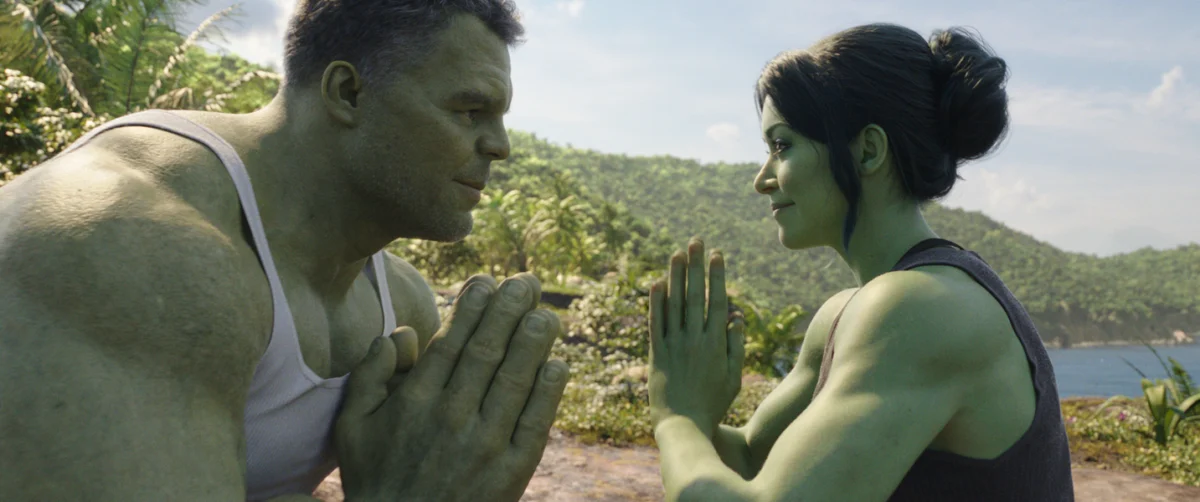
As the Marvel Cinematic Universe (MCU) hurtles toward its most ambitious crossover event to date, the landscape of the franchise is shifting rapidly. With Avengers: Doomsday slated for a December 2026 release, the narrative threads of the Multiverse Saga are beginning to tighten. Amidst the speculation regarding Doctor Doom’s arrival and the integration of the Fantastic Four, one lingering question remains: Where does Jennifer Walters—better known as She-Hulk—fit into this grand design?
While Tatiana Maslany’s She-Hulk: Attorney at Law offered a refreshing, meta-textual departure from the standard MCU formula, the character’s future remains shrouded in uncertainty. However, as the MCU prepares to fold the Fantastic Four into the primary timeline, industry experts and fans alike are pointing toward Doomsday as the logical, and perhaps necessary, venue for She-Hulk’s return to the spotlight.
The State of the MCU: Where We Left Jen
To understand the potential for She-Hulk in Avengers: Doomsday, one must first look at her current standing within the MCU. Jennifer Walters’ introduction in her eponymous Disney+ series was a masterclass in tonal subversion. By utilizing the "fourth-wall-breaking" mechanic—a staple of the John Byrne-era comics—the show established Jen not just as a hero, but as an active commentator on the tropes of superhero storytelling.
She-Hulk’s interactions with Bruce Banner, Wong, and the triumphant return of Charlie Cox’s Daredevil solidified her as a grounded, albeit super-powered, fixture of the legal and superhuman community. Yet, for all her triumphs in the courtroom, she remains somewhat isolated from the "mainline" Avengers conflict. As Tatiana Maslany recently noted on the Bingeworthy podcast, the charm of the character lies in her "singularness." Maslany argues that because Jen serves as the narrator of her own journey, placing her in a massive ensemble piece presents a unique creative challenge.
A Historical Precedent: The John Byrne Connection
The skepticism regarding She-Hulk’s transition into a team-based epic is understandable, yet it ignores the rich history of the source material. John Byrne’s legendary run on She-Hulk in the late 1980s and early 1990s is the primary blueprint for the character’s modern persona. Byrne was the architect of the metatextual humor that defined the Disney+ series, but he was also the man who proved that She-Hulk could balance self-referential comedy with high-stakes superheroics.
Most notably, Byrne integrated She-Hulk into the Fantastic Four, where she famously served as a replacement for The Thing following the events of the original Secret Wars (1984). This historical precedent is critical. If the MCU intends to treat Avengers: Doomsday and the subsequent Secret Wars as a multiversal melting pot, the narrative space for a character who can bridge the gap between "Fourth-Wall-Breaking Satire" and "Fantastic Four Adventure" is wider than ever.
Implications for ‘Avengers: Doomsday’
The inclusion of the Fantastic Four in Doomsday is not merely a casting news headline; it is a structural seismic shift. The First Family of Marvel is transitioning from their retro-futuristic 1960s origin into the current MCU timeline. This collision of eras creates the perfect environment for a "fish-out-of-water" narrative, and who better to guide them through the absurdity of the modern MCU than the woman who has already had a conversation with the "Kevin Feige" algorithm?
Balancing Tone and Stakes
The primary concern, as voiced by Maslany, is whether the specific "She-Hulk tone" can survive in a film dominated by the looming threat of Victor Von Doom. The solution lies in a hybrid approach. The MCU has already successfully demonstrated that humor can coexist with existential dread—Guardians of the Galaxy and Deadpool & Wolverine are proof of concept.
By allowing She-Hulk to maintain her unique perspective while participating in the tactical operations of the Avengers, Marvel can expand the audience’s perception of her. She-Hulk does not need to lose her identity to join the fight; rather, the fight needs someone who can look at the chaos of the Multiverse and comment on how ridiculous it all is.
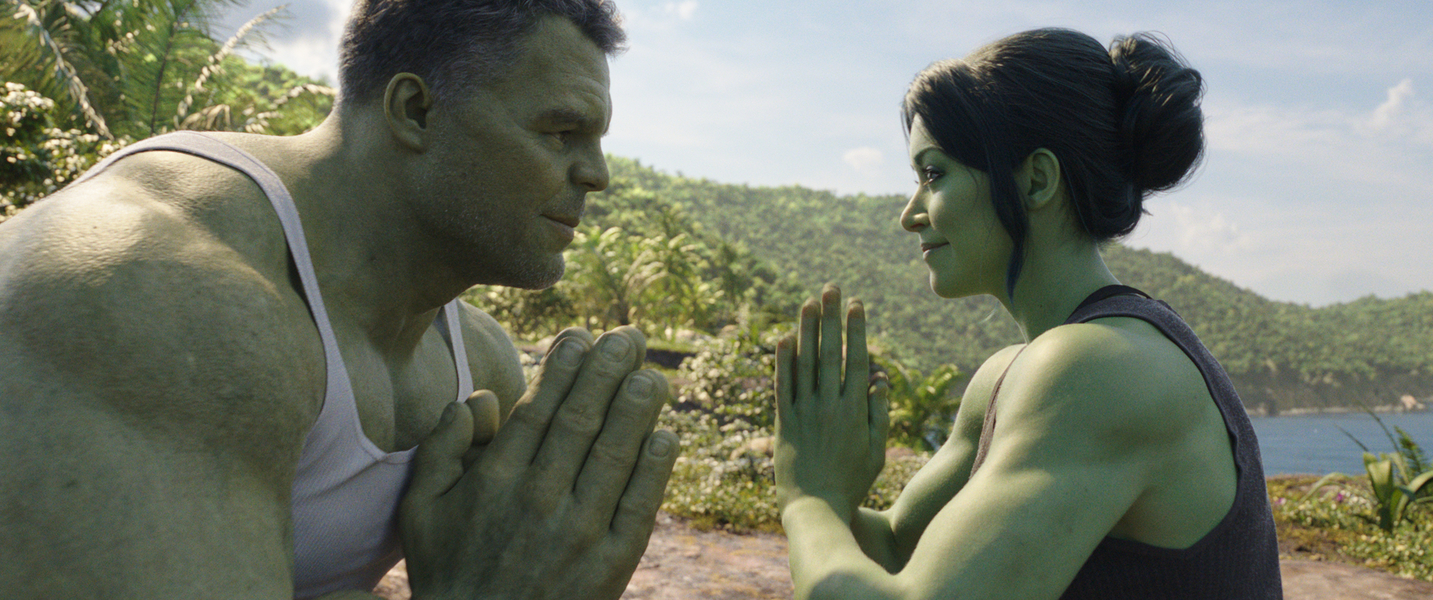
The Chronology of Integration
The path to Doomsday has been paved with breadcrumbs that suggest a larger role for the Gamma-powered attorney:
- Phase 4 – The Legal Foundation: She-Hulk: Attorney at Law established the superhuman legal landscape and confirmed that Jen is a recognized, if eccentric, hero.
- Phase 5 – The Multiversal Expansion: Characters like Daredevil and Kingpin have begun to move from streaming-specific silos into the wider film universe, signaling that the "TV/Movie divide" is effectively dead.
- Phase 6 – The Convergence: Avengers: Doomsday acts as the primary catalyst. With rumors of The Thing appearing in diverse locations (like Wakanda), the rigid boundaries of team rosters are being dismantled.
Official Perspectives and Creative Direction
While Marvel Studios has remained tight-lipped regarding the specific roster for Doomsday, the behind-the-scenes sentiment is one of "synergy." The goal for the upcoming Avengers films is to maximize the utility of existing characters.
Maslany’s perspective remains vital here. She recognizes that the "joy" of She-Hulk is in the singular narrative, but she also acknowledges the potential for growth. "It would be a real cool challenge to see her in some other context," Maslany noted. This suggests that the actress is open to the evolution, provided the writing respects the core DNA of the character. If Marvel can deliver a script that allows Jen to retain her wit while facing the gravitas of a Doctor Doom-led catastrophe, they will have successfully bridged the gap between the character’s niche origins and her mainstream potential.
Why She-Hulk is Essential for the Future
Beyond the plot of Doomsday, the MCU needs She-Hulk to remain relevant in a post-Infinity Saga world. The franchise is currently battling "superhero fatigue" by leaning into darker, more complex storylines. However, this often risks alienating the audience that enjoys the lighter, character-driven roots of comic books.
She-Hulk serves as the "audience surrogate." When the stakes become too high, when the physics of the Multiverse become too convoluted, and when the villains start monologuing about world-ending schemes, Jennifer Walters is the character who can lean into the camera and ask the audience, "Are you seeing this?"
The Strategic Value of the Fourth Wall
By bringing She-Hulk into the main Avengers roster, Marvel secures a unique narrative device. The fourth-wall break is not just a joke; it is a tool for exposition, subversion, and emotional connection. In the middle of an Avengers climax, She-Hulk could provide a moment of clarity that other characters—trapped in their own melodramatic arcs—simply cannot.
Conclusion: A Necessary Evolution
As we look toward December 18, 2026, the question is not whether there is "room" for She-Hulk in Avengers: Doomsday. The question is whether the MCU can afford not to include her.
The integration of the Fantastic Four provides a logical entry point for her, and the high-stakes environment of a multiversal war provides the perfect friction for her specific brand of humor. Tatiana Maslany’s portrayal has already won over a dedicated segment of the fanbase; now is the time to translate that success into the wider, more epic scale of the Avengers franchise.
Whether she serves as a legal consultant for the Avengers, a tactical partner for the Fantastic Four, or simply the one person brave enough to tell Doctor Doom he’s wearing an outdated mask, She-Hulk is ready for the big screen. The MCU is a diverse and ever-expanding tapestry, and it is a better, more vibrant place with Jennifer Walters in the frame. The stage is set, the court is in session, and the Avengers are going to need all the help they can get.

 Dwi Wanna
 Nana
Nana