Asro
Asro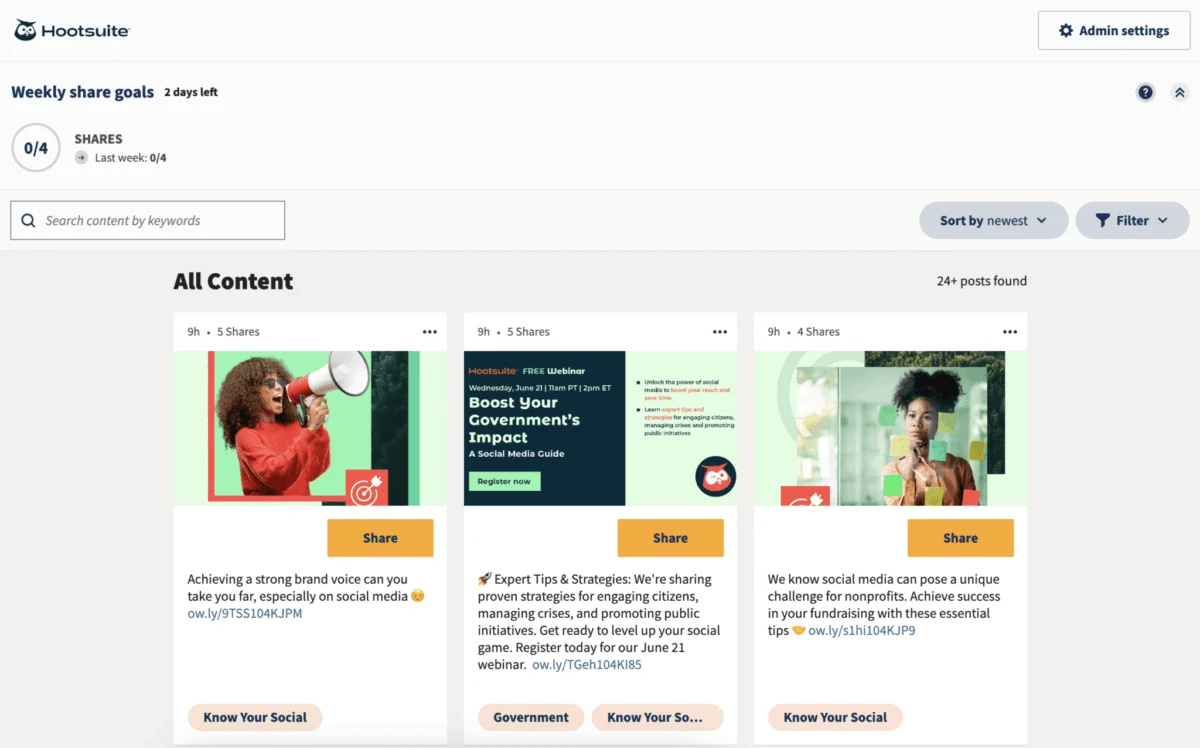
For the better part of a decade, social media departments were treated as the "fun" arm of the marketing organization. The primary KPIs were often soft—likes, shares, and the occasional viral meme. However, as the global economic climate shifts and marketing budgets face unprecedented scrutiny, the era of social media as an experimental playground is coming to an abrupt end. Today, social media is being reimagined as a high-stakes, performance-driven channel, essential to the bottom line.
The Paradigm Shift: Defining Performance Marketing
At its core, performance marketing is a results-oriented methodology where organizations only pay for, or prioritize, measurable actions—clicks, lead acquisitions, or direct sales. Unlike traditional brand awareness campaigns, which are often criticized for their inability to provide a clear link to revenue, performance marketing demands accountability.

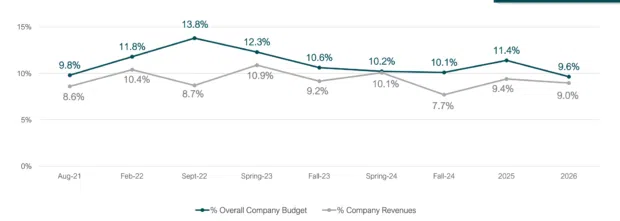
In an environment where marketing budgets are being squeezed—dropping to a historic low of 9.6% of overall company budgets in 2026—the shift is existential. When corporate profits fluctuate, marketing is frequently the first department to face cuts, often losing 45% of its funding during downturns. By pivoting to a performance-based model, social media managers are moving their departments from "cost centers" to "profit centers," effectively securing their seat at the executive table.
Chronology: The Evolution of Social Strategy
The transition from engagement-only to performance-driven social media did not happen overnight. The progression follows a distinct timeline of organizational maturity:

- 2010–2015 (The Awareness Era): Focus was placed on brand presence. Success was defined by the number of followers and the reach of individual posts.
- 2016–2020 (The Engagement Era): The focus shifted to community management. Brands prioritized comments, shares, and community sentiment, often ignoring the "last-click" attribution to sales.
- 2021–2024 (The Data Integration Era): With the rise of sophisticated tracking pixels and attribution models, companies began linking social interactions to customer relationship management (CRM) systems.
- 2025–Present (The Performance Era): Social media is now treated as a primary driver of the sales funnel. Organizations are using AI, real-time analytics, and conversion rate optimization (CRO) to turn social channels into predictable revenue machines.
The Data-Driven Foundation: Supporting Evidence
To justify this transition, marketers must rely on more than intuition. The integration of robust data tracking is non-negotiable. According to recent industry benchmarks, the most successful brands are those that map social KPIs directly to overarching business OKRs (Objectives and Key Results).
The data suggests that when marketers move beyond "vanity metrics," they unlock three distinct advantages:
- Lowered Customer Acquisition Costs (CAC): By using social listening to identify high-intent audiences, companies can target ads with greater precision, reducing wasted spend.
- Attribution Accuracy: By implementing multi-touch attribution, teams can identify how social media contributes to the entire customer journey, rather than just the final conversion.
- Predictive Modeling: Advanced analytics allow teams to project future performance based on current trends, enabling proactive budget allocation.
Strategic Framework: Seven Pillars for Performance
To effectively transform social media into a revenue-generating asset, teams should adopt the following seven-step strategy:
1. Align Social Goals with Business Objectives
Your social strategy must mirror the company’s financial goals. If the business is in a growth phase, your social goals should focus on lead generation. If the objective is profitability, focus on customer retention and high-value conversion events.

2. Implement Smart Data Tracking
Data is useless without context. Focus on metrics that indicate commercial intent, such as:
- Click-through rate (CTR) to specific product landing pages.
- Cost per lead (CPL).
- Conversion rate of social traffic.
- Customer Lifetime Value (CLV) generated from social-sourced leads.
3. Leverage Social Listening
Social listening is the "eyes and ears" of the organization. By monitoring keywords, brand mentions, and industry shifts, you can uncover market gaps. These insights should be shared with product development and sales teams, turning the social department into a hub of business intelligence.

4. Utilize Advanced Attribution Models
Move away from "last-click" reporting. A user might interact with your brand on Instagram three times before clicking an ad on Facebook and finally purchasing via a search link. Using tools like Google Analytics in tandem with social platforms allows you to see the full, multi-channel path to purchase.
5. Adopt Proven Tactics: A/B Testing and CRO
Performance marketing is a science. Treat every social post as a testable hypothesis. Run A/B tests on creative elements—headline, call-to-action (CTA), and visual style—to see what drives the highest conversion rate. Utilize AI tools to generate the volume of creative iterations required for effective testing without overextending your team.

6. Document Success Stories
Data alone is often dry. Supplement your charts with concrete success stories. If a specific campaign led to a surge in high-value sign-ups, document the "why" and "how." This narrative arc helps non-marketing stakeholders understand the strategic value of social media beyond the spreadsheets.
7. Provide Strategic Recommendations
As you gain mastery over your data, transition from a reporter of metrics to a strategic advisor. Suggest pivots in product messaging based on social sentiment or recommend budget shifts toward high-performing platforms. This evolution is the hallmark of a high-performing marketing leader.

Implications for the Future
The implications of this shift are profound. For the individual social media manager, this requires a transition from being a content creator to a data analyst and strategist. It requires familiarity with marketing automation, attribution modeling, and the ability to articulate business value in the language of the CFO.
For the enterprise, the transition to performance-driven social media ensures that no marketing dollar is spent in vain. It fosters a culture of accountability and innovation. Brands that fail to make this transition risk being viewed as non-essential, leaving them vulnerable to budget cuts. Conversely, those that successfully pivot will find themselves at the center of the organization’s growth strategy.
The Role of Modern Tooling
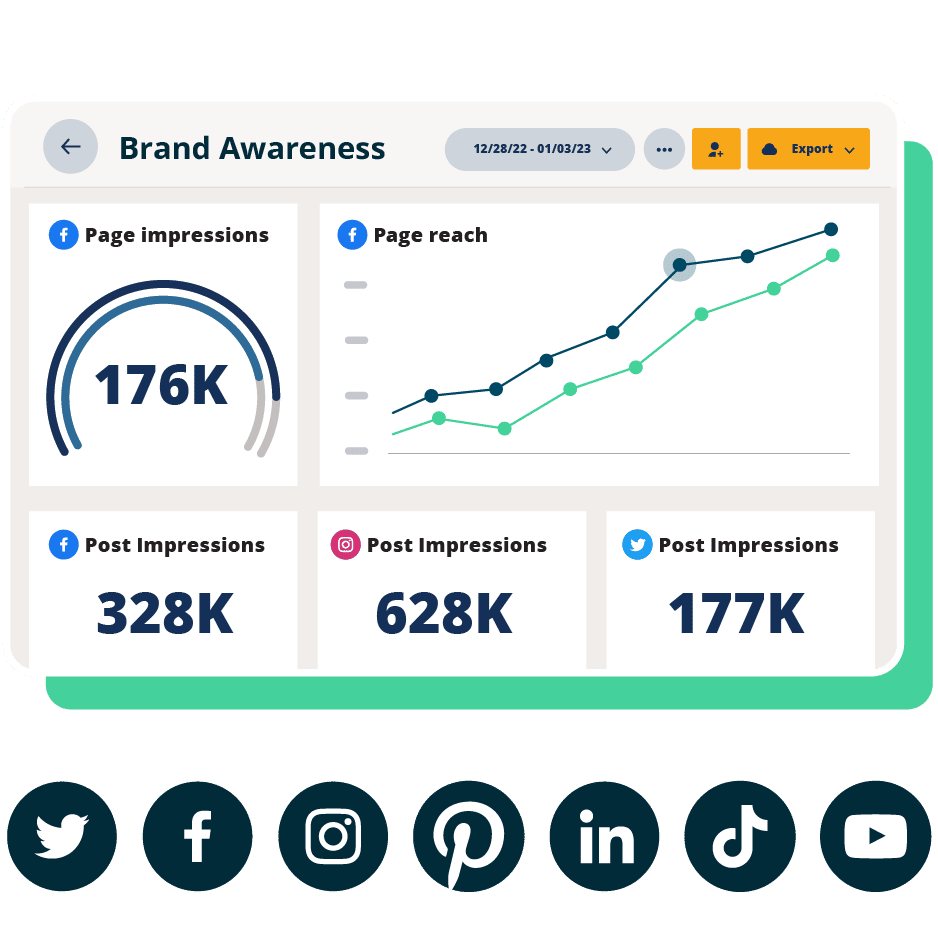
Executing this transition is nearly impossible without the right infrastructure. Tools like Hootsuite have moved beyond simple scheduling to become comprehensive performance engines. With features like built-in ROI analysis, competitive benchmarking against up to 20 brands, and automated reporting, platforms of this caliber are the bedrock of modern performance social.
By centralizing everything from social listening and employee advocacy to paid advertising and AI-driven content generation, marketers can reclaim the time spent on manual data stitching and focus on what truly matters: optimizing for results.

Conclusion: The Path Forward
The "fun" department is growing up. The future of social media marketing is not in the number of likes, but in the precision of the strategy and the tangibility of the results. By aligning social activity with business revenue, tracking every interaction with precision, and leveraging advanced technology, marketers can finally prove the true worth of social media. The time to transition is now; the data is ready—all you need to do is lead the charge.


 Laily UPN
 Ammar Sabilarrohman