

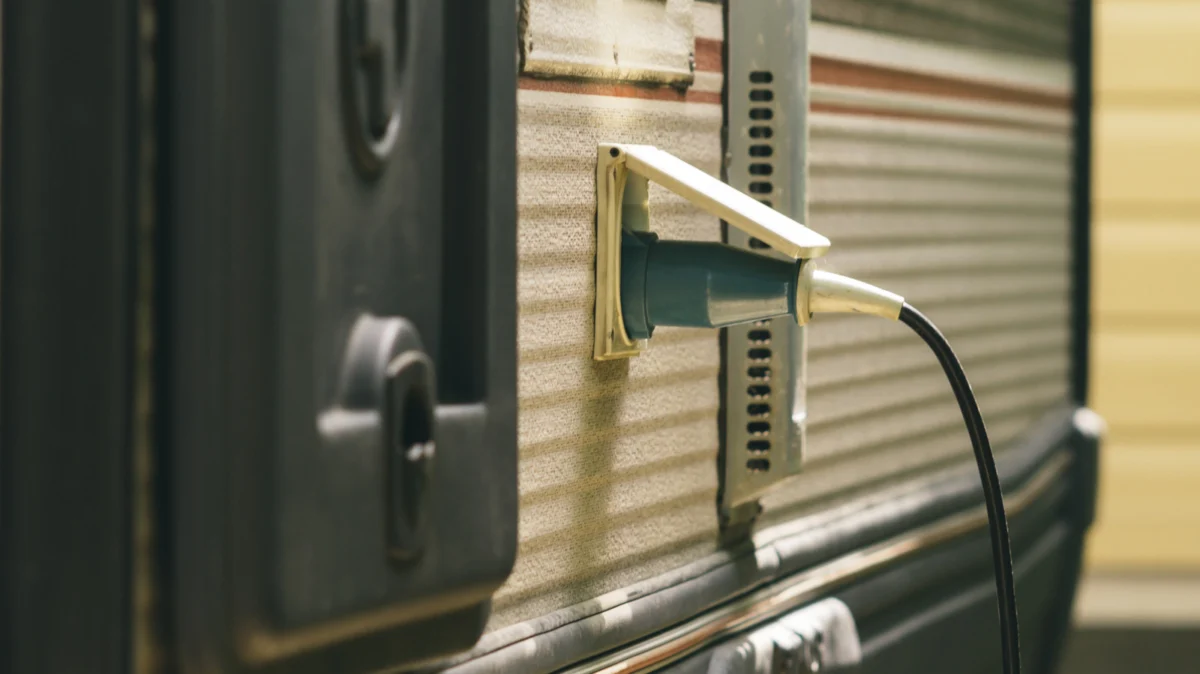
For many new RV enthusiasts, the transition from residential living to mobile life brings a steep learning curve regarding utility infrastructure. While maneuvering a large vehicle and managing water levels are common challenges, the most dangerous pitfalls often lie hidden behind the electrical panels and power pedestals of campgrounds and residential driveways. A persistent and dangerous myth in the RV community is the belief that a 30-amp RV plug is interchangeable with a standard 30-amp household dryer outlet.
This article serves as a definitive guide to why these two systems are fundamentally incompatible, the catastrophic consequences of attempting to bridge them, and the essential electrical standards that every RV owner must understand to protect their equipment—and their lives.
Main Facts: The Fundamental Voltage Divide
The primary reason you cannot plug an RV into a dryer outlet is a fundamental difference in voltage. To the untrained eye, the plugs may look somewhat similar, but they operate on entirely different electrical principles.
The RV Standard: NEMA TT-30R
Most standard 30-amp RVs are designed for a 120-volt system. The specific receptacle used is the NEMA TT-30R (Travel Trailer 30-Amp). This configuration consists of three pins: a "hot" wire, a neutral wire, and a ground wire. It provides 120 volts of power, which is the standard voltage for almost all household appliances like lamps, televisions, and small kitchen electronics.
The Dryer Standard: NEMA 10-30R and 14-30R
Conversely, a residential electric dryer requires significantly more power to generate the heat necessary to dry laundry. These units operate on a 240-volt system. Older homes (pre-1996) often feature a 3-wire NEMA 10-30R outlet, while modern homes utilize a 4-wire NEMA 14-30R. Both of these configurations provide 240 volts.
The Bottom Line: If you connect a 120-volt RV system to a 240-volt dryer outlet, you are effectively doubling the voltage intended for the RV’s components. This "over-voltage" condition is immediate and catastrophic.
Chronology: A History of Electrical Standards
To understand why this confusion persists, we must look at the history of the National Electrical Code (NEC).
- Pre-1996: During this era, many residential dryer outlets were installed using a 3-wire system (two hots and one neutral/ground combo). Because the ground and neutral were often shared, these plugs were inherently less safe by modern standards.
- 1996-Present: The NEC updated its requirements to mandate 4-wire dryer receptacles. This change was implemented to separate the equipment grounding conductor from the neutral conductor, significantly increasing safety for household appliances.
- The RV Evolution: Throughout this entire timeline, the RV industry maintained the NEMA TT-30 standard for "shore power." Because RVs are mobile and travel between various parks, maintaining a single, consistent standard for 120V service was essential for cross-country compatibility.
The confusion arises because the 3-wire dryer plug and the TT-30 RV plug can occasionally look physically similar to a layperson. However, the internal wiring—specifically the L-shaped versus U-shaped ground pins—serves as a physical "lockout" meant to prevent improper connection. If a user forces a connection, they are overriding safety features designed to prevent exactly this type of disaster.
Supporting Data: What Happens During a "Voltage Overload"?
When an RV is plugged into a 240-volt source, the damage is not merely potential; it is inevitable. The moment the breaker is flipped or the plug is inserted, the following cascade of destruction occurs:
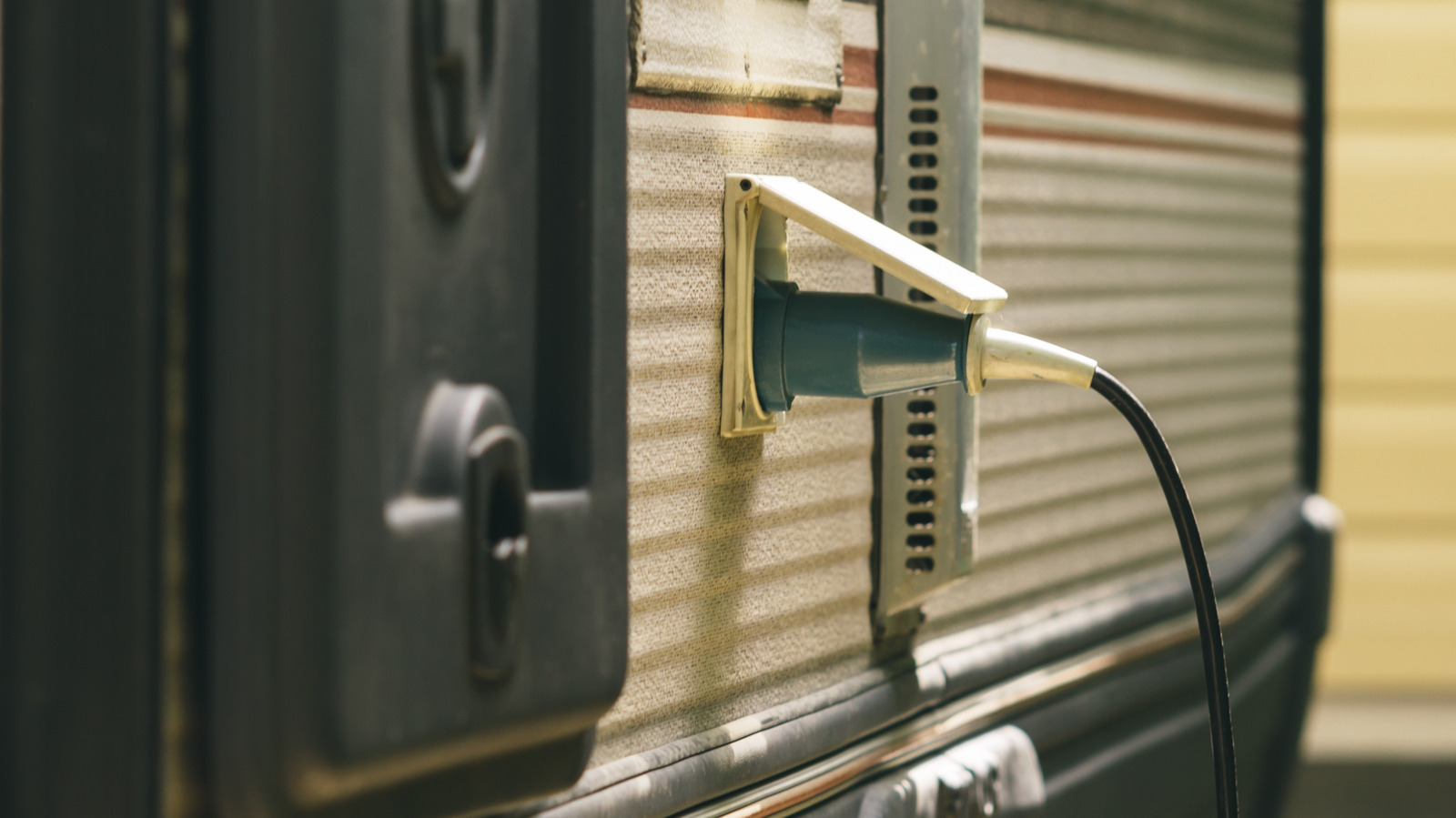
- Converter/Charger Failure: The RV’s power converter, which is responsible for turning 120V AC into 12V DC to charge the batteries, is designed strictly for 120V input. Applying 240V causes the capacitors and internal circuitry to surge, often blowing the unit immediately.
- Appliance Destruction: Any appliance connected to the AC circuit—microwaves, televisions, refrigerators, and air conditioning units—will experience an massive power spike. These devices are not built to withstand double their rated voltage.
- Wiring Melt-down: The gauge of wire used in an RV is calculated based on the expected 120V load. Pushing 240V through these circuits creates excessive heat, which can melt wire insulation, lead to short circuits, and eventually trigger an electrical fire.
- The "Ground/Neutral" Hazard: Because the 3-wire dryer outlet combines the neutral and ground, the chassis of your RV could become energized. This creates a lethal shock hazard for anyone touching the outside of the vehicle or stepping onto the wet ground while holding the metal handle of the door.
Official Responses and Industry Warnings
Electrical safety organizations, including the National Fire Protection Association (NFPA) and the RV Industry Association (RVIA), are unequivocal in their stance: Do not use "cheater" adapters to connect an RV to a dryer outlet.
While the internet is filled with DIY forums suggesting that one can build a "custom adapter" to step down the voltage, professional electricians advise against this practice with extreme prejudice.
"Adapters sold on third-party marketplaces often lack the necessary surge protection or voltage regulation to safely manage a transition between incompatible power sources," says a spokesperson for a leading RV safety advocacy group. "If you do not have a dedicated 30-amp/120-volt circuit, you are better off using a 15-amp or 20-amp household extension cord with a proper adapter, which will at least limit your power usage to a safe, albeit slower, level."
Implications: How to Power Your RV Safely
If you find yourself at a location without a proper TT-30R pedestal, follow these professional guidelines:
1. Identify Your Service Needs
Recognize that your RV is designed for either 30-amp or 50-amp service. Never assume that "more power is better." A 50-amp plug provides 240 volts by splitting two 120V legs, whereas a 30-amp plug is a single 120V leg. They are not the same, and they require specific, industry-certified adapters if you are moving between these two specific RV standards.
2. Utilize Proper Adapters Only
Only purchase high-quality, UL-listed adapters from reputable RV retailers. Avoid cheap, unbranded, or "homemade" adapters. A high-quality adapter should be used only for temporary connections and should be inspected regularly for signs of melting or heat discoloration.
3. Install a Dedicated Circuit
If you are parking your RV at a home for an extended period, hire a licensed electrician to install a dedicated NEMA TT-30R receptacle. This ensures the circuit is properly fused at 30 amps, grounded according to code, and provides the correct 120V service.
4. Monitor Your Load
Even when using a legitimate 30-amp service, be mindful of your total wattage. Avoid running high-draw appliances—such as the air conditioner, microwave, and electric water heater—simultaneously. Tripping a breaker is an inconvenience; destroying your electrical system through a voltage mismatch is a total loss.
Final Thoughts
The allure of the open road is built on freedom, but that freedom requires a respect for the invisible infrastructure that powers our journey. The 30-amp dryer outlet is a tool for a specific domestic purpose, and the 30-amp RV plug is a tool for a mobile one. By understanding the critical voltage differences and respecting the safety standards established by the NEC, you ensure that your RV remains a home on wheels rather than a dangerous electrical hazard. When in doubt, always consult a licensed professional or stick to the park-approved power pedestals designed specifically for your vehicle.











