In the modern hospitality landscape, digitalization has transitioned from a competitive advantage to a fundamental prerequisite for survival. Restaurants, cafes, and bars are no longer just culinary venues; they are complex data-driven enterprises. As profit margins tighten and customer expectations reach an all-time high, the reliance on manual processes—handwritten notes, spreadsheet accounting, and gut-feeling management—has become a liability. Today, the integration of specialized software is the primary driver of operational efficiency, error reduction, and superior customer experiences.
A Paradigm Shift: From Pen and Paper to Data-Driven Precision
For decades, the backbone of a restaurant’s operation was the memory of its staff and the handwritten ticket. While this "analog" approach held a certain romantic charm, it was riddled with systemic inefficiencies. Today, we are witnessing a paradigm shift where technology centralizes operations, minimizing friction and allowing management to focus on what truly matters: gastronomy and guest satisfaction.
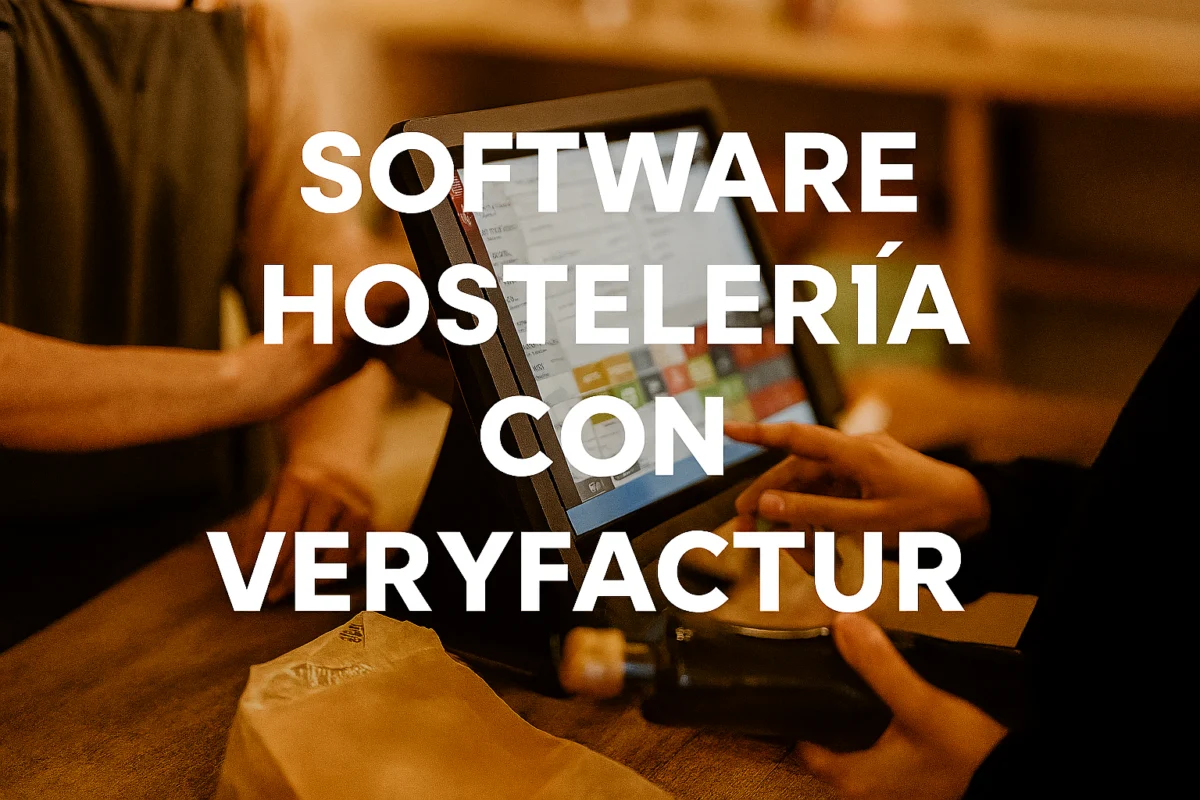
The core of this transformation lies in the adoption of an integrated Point of Sale (POS) system. By digitizing the point of entry for every sale, restaurateurs gain a granular view of their business. Modern POS systems do more than just process payments; they act as the central nervous system of the establishment, synchronizing inventory, tracking sales velocity by the hour, and generating actionable reports that inform everything from staffing levels to menu engineering.
Chronology of Digital Transformation in Hospitality
The trajectory of this digital shift can be categorized into three distinct phases:
- The Foundational Phase (Early Adoption): Restaurants began replacing mechanical cash registers with basic digital terminals to track total sales and simplify the checkout process.
- The Integration Phase (Connectivity): The introduction of digital kitchen displays and handheld ordering devices bridged the gap between the dining room and the kitchen. This reduced the "translation error" inherent in handwritten tickets.
- The Ecosystem Phase (Current Era): We are currently in the era of total ecosystem integration. Tools like Veryfactur represent the cutting edge, where the front-of-house, kitchen, back-office accounting, and fiscal compliance are unified into a single, seamless data flow.
Supporting Data: The Cost of Inefficiency
The arguments for digitalization are not merely theoretical; they are rooted in hard financial data. Research consistently shows that manual inventory management can lead to a 5% to 15% discrepancy in food costs due to waste, theft, or poor portion control. By contrast, digital inventory systems that track stock in real-time reduce these "leakages" significantly.
Furthermore, labor costs—often the largest expense in a restaurant—can be optimized through software. Automated scheduling tools utilize historical sales data to predict demand, ensuring that a restaurant is neither overstaffed during slow periods nor understaffed during peak rushes. This balance is critical to maintaining profitability while preventing staff burnout.
Eliminating the "Human Factor" in Communication
One of the most persistent issues in hospitality is the communication breakdown between the waiter and the chef. Misinterpreted orders, forgotten allergen warnings, and inconsistent ticket times are the leading causes of customer dissatisfaction.
Transitioning to a digital workflow, where an order is transmitted instantly from a mobile device at the table to a kitchen display system, eliminates these errors. Beyond accuracy, this digital trail provides "time-to-table" metrics. Managers can now analyze exactly how long a specific dish takes to prepare, allowing them to optimize kitchen workflows and ensure a smooth, synchronized service that keeps diners satisfied.
Official Perspectives: The Role of Compliance and Accounting
In the realm of fiscal responsibility, the integration of solutions like Veryfactur is a game-changer. For many owners, the intersection of daily operations and tax compliance is a source of anxiety. Traditional manual invoicing is slow and prone to human error, which can lead to costly regulatory audits or fines.
By automating the invoicing process, Veryfactur ensures that every transaction is logged, reconciled, and ready for tax reporting in real-time. This level of transparency not only mitigates risk but also strengthens the relationship with external accounting firms, who no longer need to spend hours deciphering stacks of paper receipts.
Implications for the Future of the Industry
The shift toward a fully digital environment has profound implications for the industry:
- Scalability: A digital infrastructure allows a single successful restaurant to scale into a franchise model with relative ease, as systems and data can be replicated across multiple locations.
- Customer Personalization: With a database of guest preferences and order history, restaurants can move toward personalized service, offering recommendations based on previous visits—a hallmark of high-end hospitality now available to the mainstream.
- Sustainable Profitability: By tightening control over inventory and labor, operators can maintain healthier margins, providing a cushion against the rising costs of raw materials and energy.
Addressing the Barriers to Adoption
Despite the clear benefits, some operators hesitate to adopt new technology. The primary barriers—fear of complexity, perceived high costs, and staff resistance—are valid but manageable.
How to Overcome Resistance
- Staged Implementation: Do not attempt to overhaul every system at once. Start with a robust POS, then layer in inventory, and finally integrate fiscal software.
- Focus on Ease of Use: Modern cloud-based software is designed for intuitive use. Training a server on a tablet-based ordering system takes a fraction of the time required to train them on legacy hardware.
- The "Data-First" Culture: Management must lead by example. When staff see that data is being used to make their jobs easier—not just to monitor them—buy-in becomes significantly higher.
Practical Recommendations for Implementation
For those ready to modernize their operations, the following steps are recommended:
- Conduct an Audit: Identify the most time-consuming manual processes. Are you wasting hours on payroll? Is inventory constantly off? Start by solving the biggest "pain point."
- Prioritize Integration: Ensure that any new software can "talk" to your existing tools. A fragmented tech stack is often worse than no technology at all.
- Invest in Staff Training: Technology is only as good as the people using it. Allocate time for thorough training sessions during the onboarding phase.
- Focus on Security: As you digitize, prioritize cloud-based systems with robust security features to protect both your business data and your customers’ payment information.
Conclusion: The New Competitive Standard
The digital transformation of the hospitality sector is not about replacing the "human touch" that defines a great dining experience. On the contrary, it is about liberating the staff from the burden of manual, repetitive tasks so they can focus on the guest.
By creating an integrated ecosystem—where the POS, kitchen display, inventory manager, and fiscal software communicate seamlessly—restaurateurs can achieve a level of operational excellence that was previously reserved for large corporate chains. The data is clear: those who embrace this digital shift will be better positioned to navigate the complexities of the modern market, ensuring their business remains not only profitable but also resilient in an increasingly competitive world. Whether you are a small cafe or a fine-dining establishment, the tools to transform your operations are within reach; the only question is how quickly you can adapt to this new, digital-first reality.