
 Reynand Wu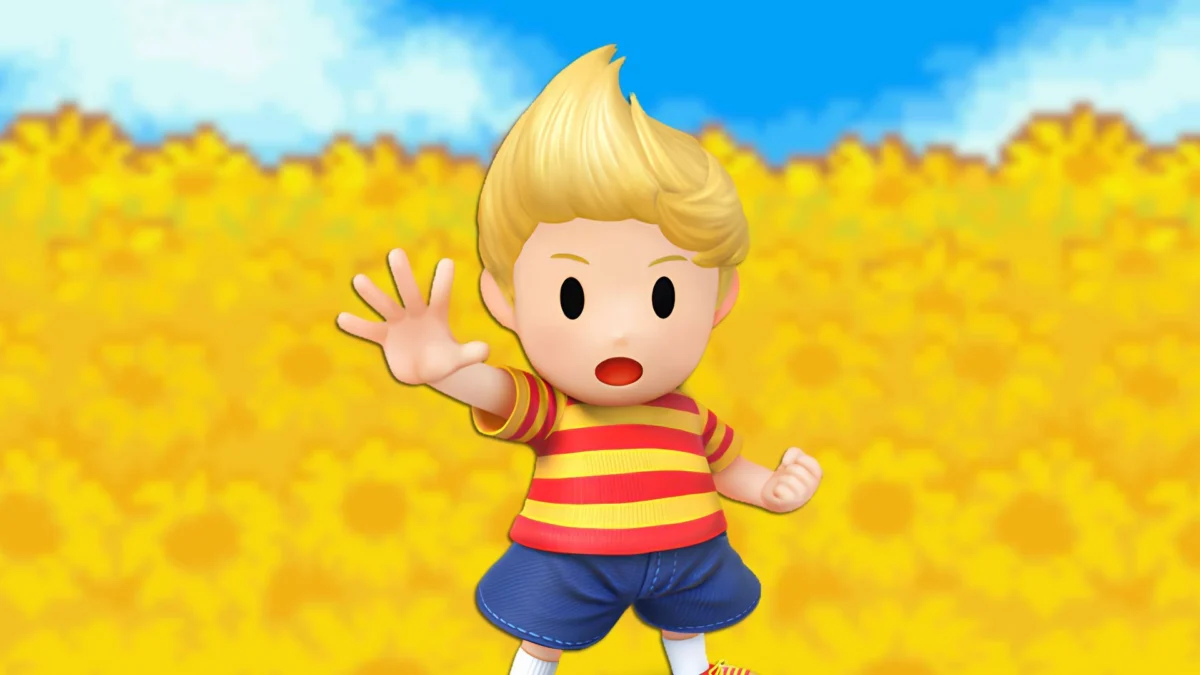
It is a rare phenomenon in the video game industry for a title to achieve legendary status without ever officially leaving its country of origin. Yet, as of June 2026, Mother 3 stands as a titan of the genre, marking its twentieth anniversary since its April 2006 release on the Nintendo Game Boy Advance. In an industry defined by rapid turnover and fleeting trends, the enduring cultural footprint of Shigesato Itoi’s masterpiece is nothing short of miraculous. Despite two decades of anticipation, a grueling development cycle that spanned multiple console generations, and the persistent, unfulfilled clamor of Western fans, Mother 3 remains a poignant testament to the power of creative perseverance.
The Genesis of an Ambition: From SNES to the N64
To understand Mother 3, one must first acknowledge the unconventional nature of its creator. Shigesato Itoi, a famous copywriter and essayist, did not approach game design with the cold, mechanical logic of a programmer. Instead, he treated the Mother series—known as EarthBound in the West—as a canvas for deeply human, often surreal, emotional storytelling.
Following the moderate success of the original Mother (1989) and the cult-classic status of EarthBound (1994), Nintendo granted Itoi significant creative freedom. The development of Mother 3 began in the mid-1990s with the Super Nintendo Entertainment System in mind. However, as the industry pivoted toward the burgeoning 3D landscape of the late 90s, the project underwent a radical transformation.
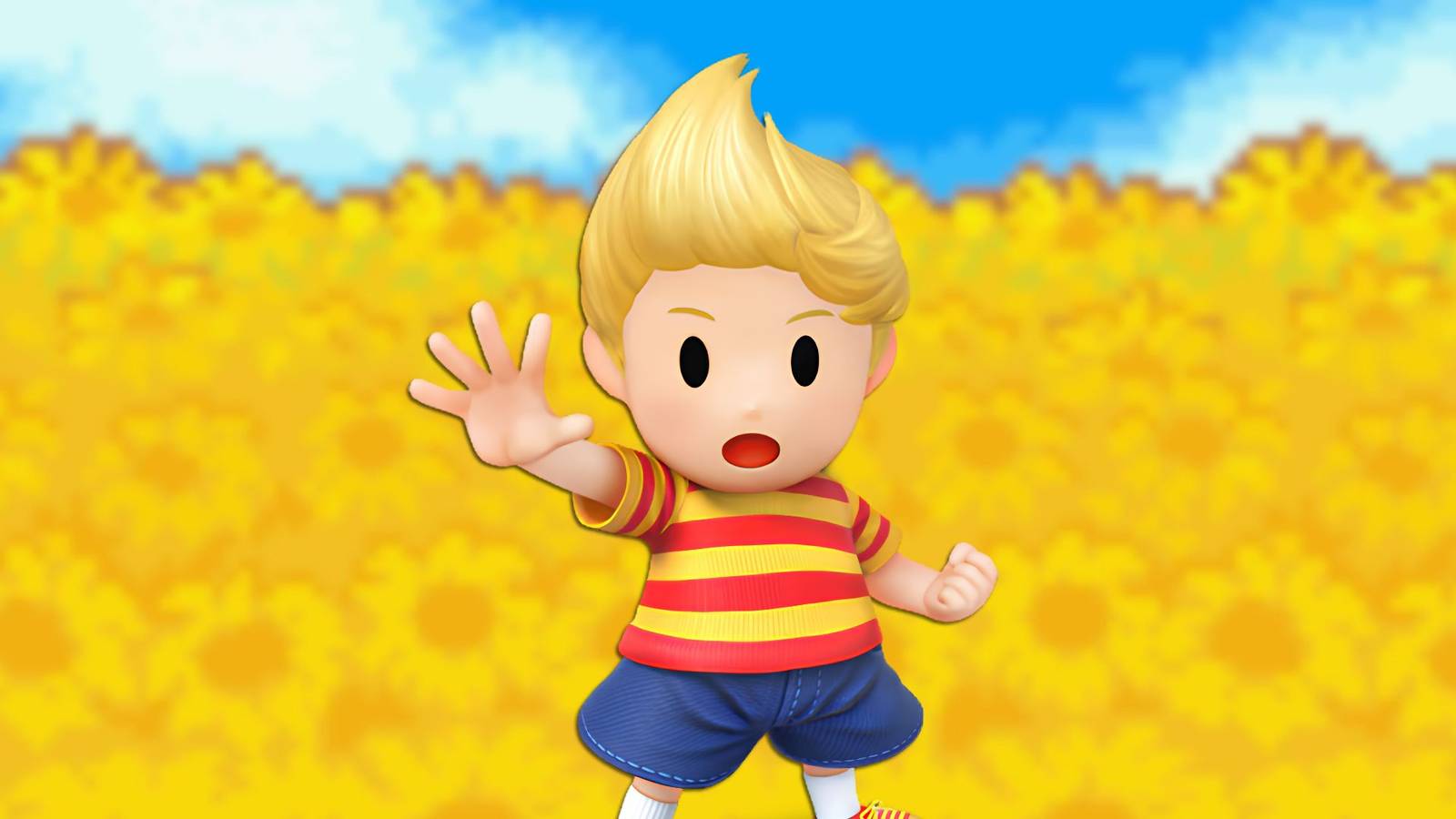
The project was rebranded as EarthBound 64 and shifted development to the Nintendo 64. At the time, Nintendo viewed the title as a flagship experience, providing Itoi with the resources of a high-budget, blockbuster film production. The vision was unprecedented: a twelve-chapter, non-linear epic that would simulate the shifting, evolving nature of a living town over time. It was intended to be the definitive RPG for a console starved of the genre.
A Chronology of Cancellation and Rebirth
The history of Mother 3 is often described as a “tragedy of development.” In 1999, Nintendo showcased a highly impressive build of EarthBound 64 at Space World, the company’s premier trade event. The demo, featuring dynamic 3D environments and a complex rhythmic combat system, captivated the press.
Yet, the ambitious scope of the project proved to be its undoing. The team struggled to reconcile the technical limitations of the N64 with the sheer density of Itoi’s narrative vision. Despite a massive injection of capital and personnel, the 1999 release window was missed. By 2000, the project was officially canceled. The news sent shockwaves through the community; the "most anticipated game" had simply vanished.

The emotional weight of this cancellation was profound. Itoi famously recalled a team gathering where, after playing through the unfinished build one last time, the staff alternated between laughter and tears. The game wasn’t just a product; it was an emotional investment.
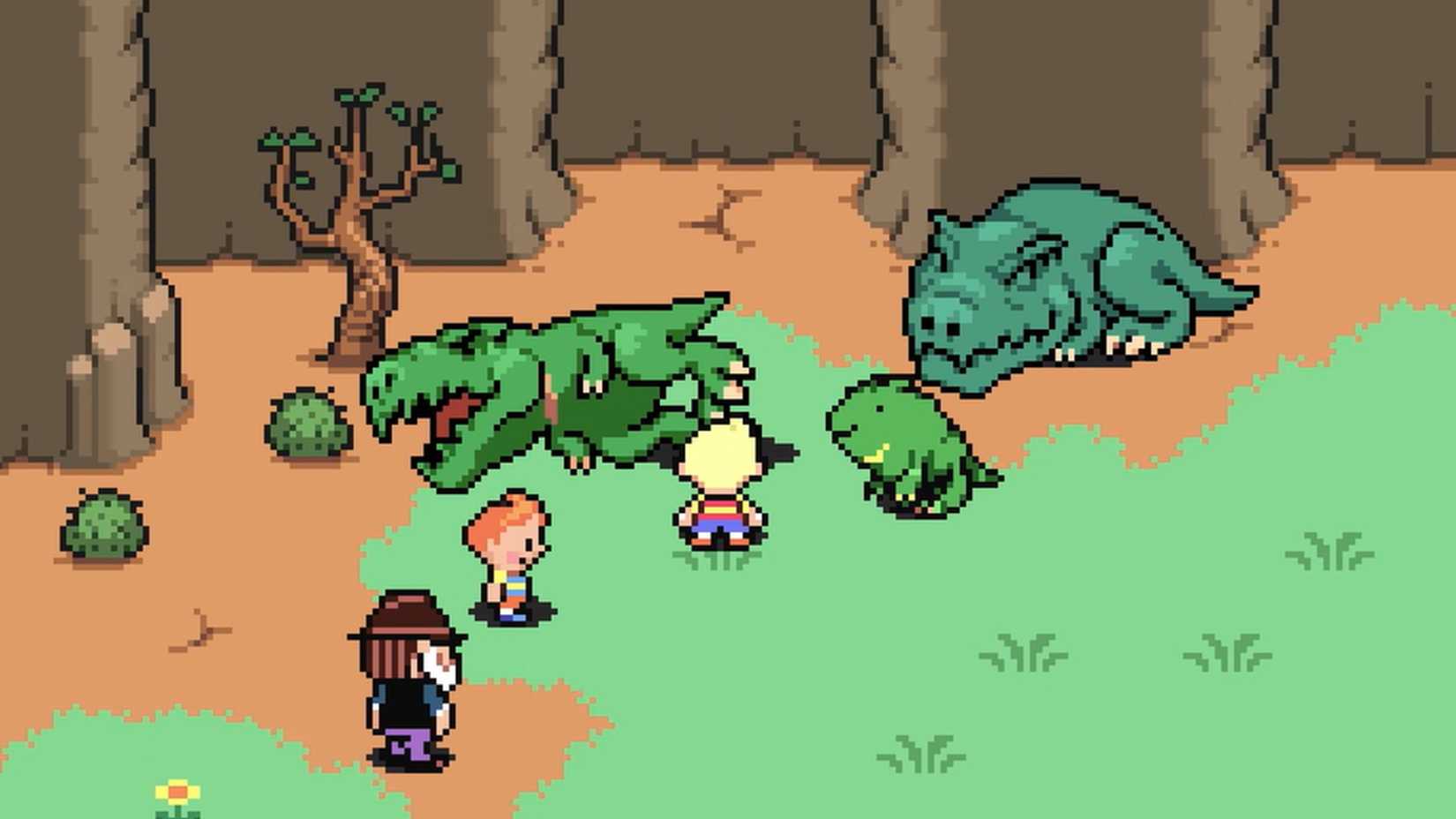
Following the N64 failure, the project was briefly toyed with for the Nintendo GameCube, but the transition proved difficult as resources were diverted to other internal priorities. It appeared that the story of the Pigmask Army and the Nowhere Islands would remain a ghost in the machine. It was only through the humble, low-cost architecture of the Game Boy Advance that the project found its final sanctuary. Stripped of the 3D ambitions of the N64, the GBA version returned to the series’ roots, utilizing a refined 2D art style that allowed Itoi’s writing to take center stage.
The Anatomy of a Cult Classic
What makes Mother 3 resonate two decades later is not its troubled production, but its radical departure from traditional RPG tropes. While its predecessors were known for their quirky humor, Mother 3 is strikingly melancholic. It tackles themes of industrialization, the loss of innocence, environmental decay, and the inevitability of grief.
The combat system, which integrated rhythmic button presses synchronized with the game’s soundtrack, elevated the player’s immersion. Every encounter was a musical experience, blending the auditory with the tactile. Combined with a narrative structure that shifts perspectives across its cast, the game creates a sense of intimacy rarely found in the genre.
For many, the game’s impact is tied to the 2008 fan-translation project led by Clyde "Tomato" Mandolin. This Herculean effort by the fan community allowed English-speaking audiences to finally experience the game’s narrative depth. It is a rare instance in gaming history where the community effectively "published" the game themselves, ensuring its survival in the absence of an official localized release.
The "Japan-Only" Dilemma and Industry Implications
For twenty years, Nintendo has maintained a puzzling silence regarding an official Western localization of Mother 3. This has led to endless speculation. Industry analysts have pointed to the game’s heavy use of sensitive subject matter, complex cultural references, and the immense cost of translating and localizing a script as dense as Itoi’s.
From a business perspective, the title represents a "lost" asset. While the fan translation is widely considered definitive, Nintendo’s refusal to acknowledge the game through an official digital storefront—even as they have brought other GBA classics to the Nintendo Switch Online service—remains a point of contention.
This silence has created a unique cultural phenomenon: Mother 3 has become a symbol of the divide between fan expectations and corporate strategy. It is the "White Whale" of the Nintendo library. Each Nintendo Direct event for two decades has been met with a chorus of requests for the game’s release, a ritual that has become part of the very fabric of the modern gaming community.
Looking Forward: Why It Still Matters
As we pass the twenty-year mark, we must ask: why does Mother 3 still hold such a grip on the collective imagination?

The answer lies in its honesty. Most games from 2006 have aged—their mechanics have been refined, their graphics surpassed, and their stories recycled. Yet, Mother 3 remains timeless because its emotional core is universal. It captures the exact moment a community loses its way and the painful process of trying to rebuild. It is a story about the fragility of the "Mother" figure—both in the literal sense of the game’s protagonists and the metaphorical sense of our home and planet.
The legacy of Mother 3 is not just its development history, but the fact that it refused to die. It survived a cancellation, a platform switch, and a decade of obscurity to become a lighthouse for independent game developers. Titles like Undertale, Deltarune, and Everhood owe a massive debt to the subversive, fourth-wall-breaking, and deeply emotional framework that Itoi established.
Conclusion: A Legacy Beyond the Cartridge
On this twentieth anniversary, the lack of an official North American release feels less like a tragedy and more like a badge of honor for those who have played it. The game exists in a liminal space, kept alive by the very people it moved to tears.
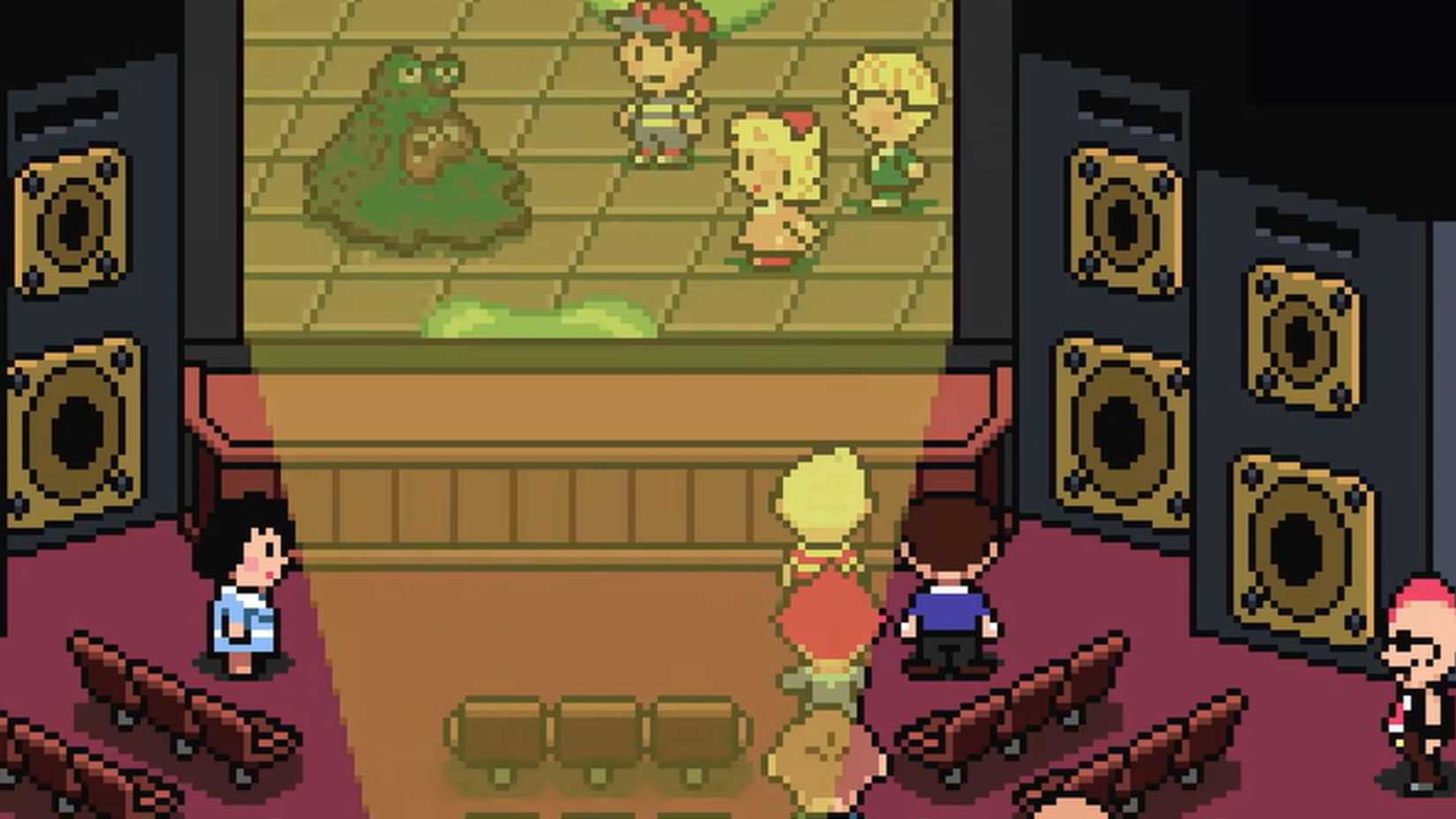
Perhaps the most "Mother" thing about Mother 3 is that it asks the player to let go. As the narrative reaches its heartbreaking conclusion, the game forces the player to confront the reality that nothing lasts forever, and that the beauty of a thing is often tied to its transience. Whether or not Nintendo ever chooses to localize the game is, in many ways, irrelevant now. The game has already achieved a state of immortality, preserved not by a corporate mandate, but by the persistent, beating heart of a global community that recognized its worth two decades ago.
As we look back at the chaotic, beautiful, and deeply human journey of Mother 3, we are reminded that some games aren’t just software—they are experiences that fundamentally change the way we view our own lives. For that alone, it remains the most important game that never officially arrived.


 Suro Senen
 Evan Lee Salim




