Nana
Nana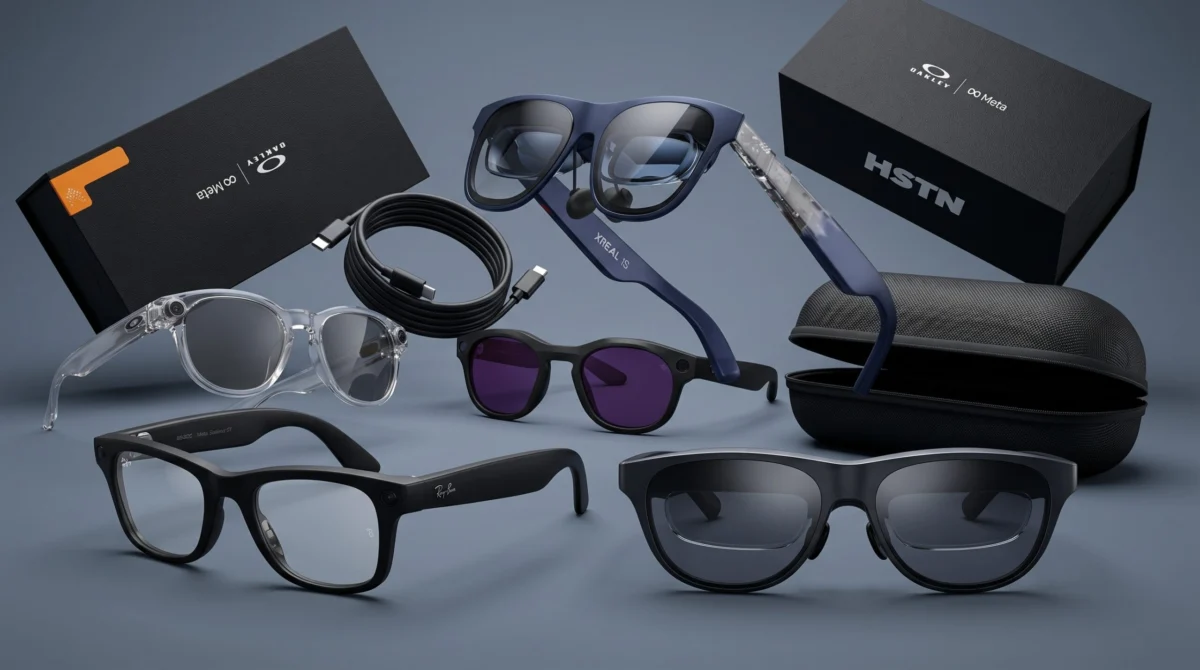
In the evolving landscape of travel technology, few innovations have transitioned from "gimmick" to "game-changer" as rapidly as smart glasses. Once relegated to the realm of science fiction or clunky, early-stage hardware, today’s smart eyewear has matured into a sophisticated toolkit for the modern traveler. Whether you are navigating a bustling foreign city, capturing cinematic travel vlogs, or attempting to survive a 17-hour long-haul flight, these devices are quietly revolutionizing how we interact with the world.
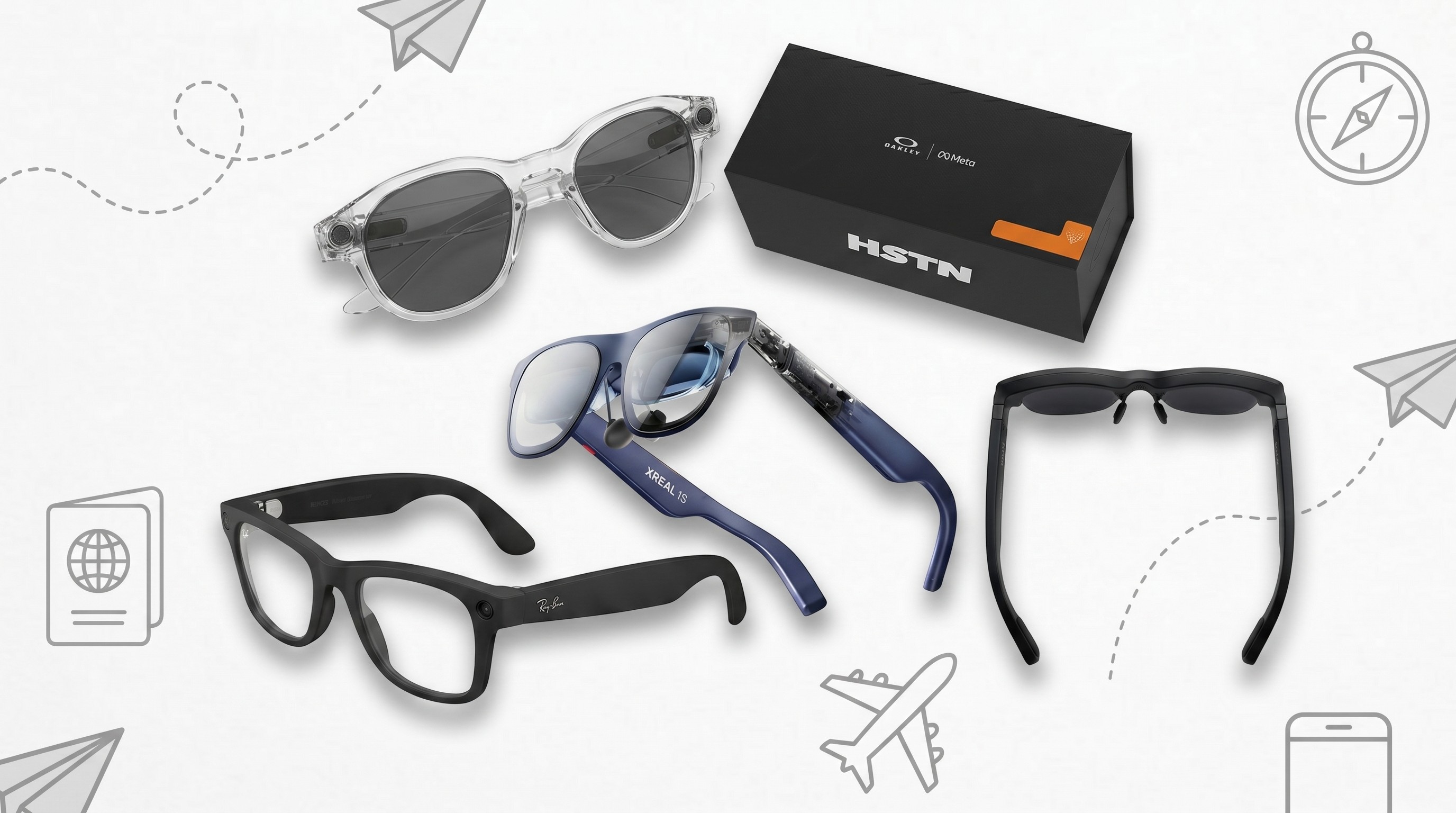
For the uninitiated, the term "smart glasses" can feel nebulous. However, to understand their utility, one must differentiate between the two primary categories currently dominating the market: Augmented Reality (AR)/Extended Reality (XR) display glasses and Smart Lifestyle/Capture glasses.
The Two Faces of Modern Smart Eyewear
To avoid confusion, it is essential to categorize these devices by their primary function.
1. AR/XR Display Glasses: The Portable Cinema
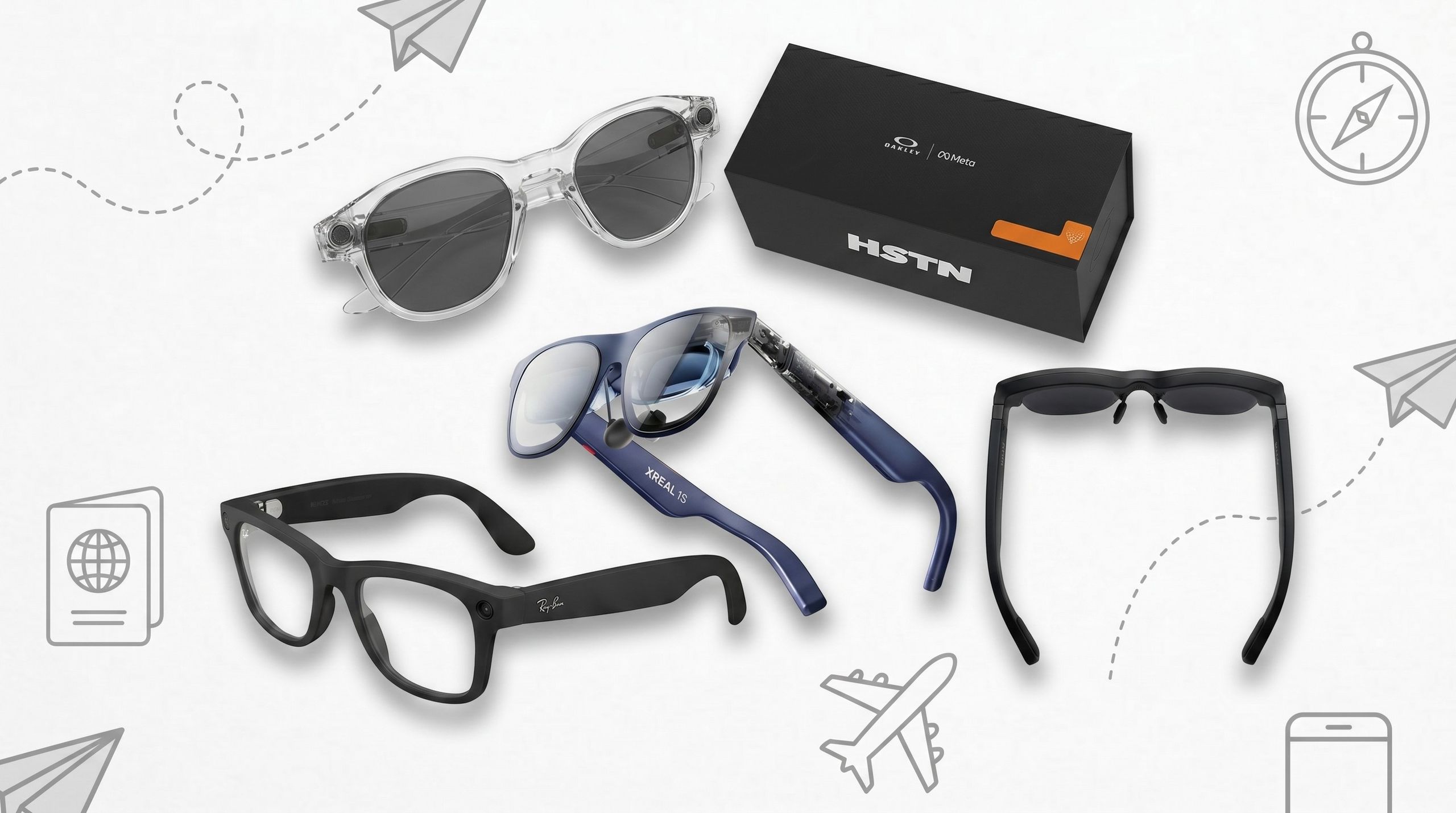
These devices are designed for media consumption and productivity. By projecting a high-definition virtual display directly into your field of view, they effectively serve as a "blackout" second screen. For travelers, this is a revolutionary shift in ergonomics. Instead of hunching over a cramped airplane tray table to view a smartphone or tablet—which often leads to "tech neck"—users can lean back and enjoy a cinema-sized virtual screen. These are perfect for watching films, gaming on devices like the Nintendo Switch, or reviewing creative work in transit.
2. Smart Capture Glasses: The Hands-Free POV
This category, best exemplified by the Ray-Ban Meta series, prioritizes integration with the physical world. These glasses allow users to record video, take photos, and stream content entirely hands-free. They are an essential tool for creators who want to capture the "unique travel POV" without being tethered to a handheld camera or smartphone, allowing for immersive storytelling that captures the essence of the moment without the barrier of a device.
The Chronology of Adoption: From Niche Tech to Travel Staple
The journey of smart glasses from Silicon Valley prototypes to essential travel gear has been a decade in the making.
- 2013-2015: The Experimental Phase. The early days, marked by devices like Google Glass, focused heavily on HUD (Heads-Up Display) technology. While revolutionary, these devices were hampered by social stigma and limited battery life, cementing the "tacky tech" reputation they are only now beginning to shed.
- 2020-2022: The Pivot to Utility. Manufacturers shifted focus from complicated AR overlays to practical, high-utility features. Companies began emphasizing lightweight designs, high-quality audio, and reliable camera integration.
- 2023-Present: The Mainstream Integration. With the release of second-generation smart glasses from major fashion and tech partnerships, the barrier to entry has lowered. The focus is now on comfort, style, and specific use cases—such as gaming and hands-on content creation—rather than forcing users to inhabit a fully virtual world.
Supporting Data: Why Travelers are Making the Switch
The shift toward wearable technology is supported by a growing fatigue regarding "phone-tethered" travel. According to recent travel industry trends, there is a marked increase in demand for devices that facilitate "digital wellness."
Ergonomic Benefits
Long-haul travel is physically demanding. Frequent travelers spend an average of 6 to 15 hours per week in transit, often engaging in "screen-down" posture. Clinical reports on cervical spine strain have highlighted the risks of prolonged downward gaze. AR glasses allow for an "eyes-forward" viewing experience, maintaining natural spinal alignment during travel.
Productivity Gains
In the professional sphere, specifically for those attending international trade shows and conferences (such as the Mobile World Congress), hands-free recording allows for real-time engagement. When you aren’t holding a phone, you can participate in discussions, gesture naturally, and maintain eye contact, all while recording high-fidelity documentation of the event.
Official Industry Perspectives: The Vision for 2025
Industry leaders are increasingly framing smart glasses not as a replacement for phones, but as an extension of them.
"The goal is ambient computing," says one industry developer. "We want technology that disappears until you need it." This philosophy is driving the design of lighter, more fashionable frames that look like standard eyewear.
Furthermore, the integration of AI—as seen in the latest Meta and RayNeo iterations—is a focal point. Official product briefings highlight that future updates will allow for real-time language translation, where the glasses overlay translated text onto physical signs in real-time. For a traveler in a non-native speaking country, this moves beyond a convenience—it becomes a critical navigation tool.
Implications for the Creative Traveler
What does this mean for you, the reader, when planning your next trip?
1. Breaking the "Phone Wall"
The most significant implication of adopting smart glasses is the psychological shift. When you are constantly checking your phone for directions, translation, or camera settings, you are creating a digital barrier between yourself and the destination. Smart glasses act as a bridge; by offloading these tasks to a wearable device, you are free to observe, interact, and fully inhabit your surroundings.
2. The Evolution of Content
The "POV" footage style is becoming the gold standard for travel vlogging. It offers an authenticity that traditional "selfie-stick" filming lacks. When you film with your eyes, you capture the world as you see it, providing your audience with a visceral, first-person experience that feels more like a memory than a broadcast.
3. Future-Proofing Your Travel Kit
As battery technology improves and display latency drops to near-zero, the "second screen" experience will only become more seamless. Investing in current-gen hardware isn’t just about today’s flight to Japan or your next trade show—it’s about participating in a shift that will define how we explore the world for the next decade.
Final Thoughts: A Call to Action
While the market is still in its relative infancy, the current offerings from brands like Ray-Ban Meta and RayNeo have reached a level of polish that justifies the investment. If you are a traveler who values efficiency, comfort, and the ability to capture the world without losing touch with it, smart glasses are no longer an optional luxury—they are a fundamental upgrade to your travel kit.
We encourage you to look beyond the skepticism. The next time you find yourself hunching over a tiny screen on a flight, or struggling to juggle a camera and a map in a foreign city, remember that there is a better way. Try the gear, test the utility, and decide for yourself whether these tools are the missing piece of your travel puzzle.
Are you ready to upgrade your travel experience? Check out the latest deals on the market today and prepare for a more immersive, ergonomic, and creative journey.

 Lina Hope
 Rifan Muazin