Nana Wu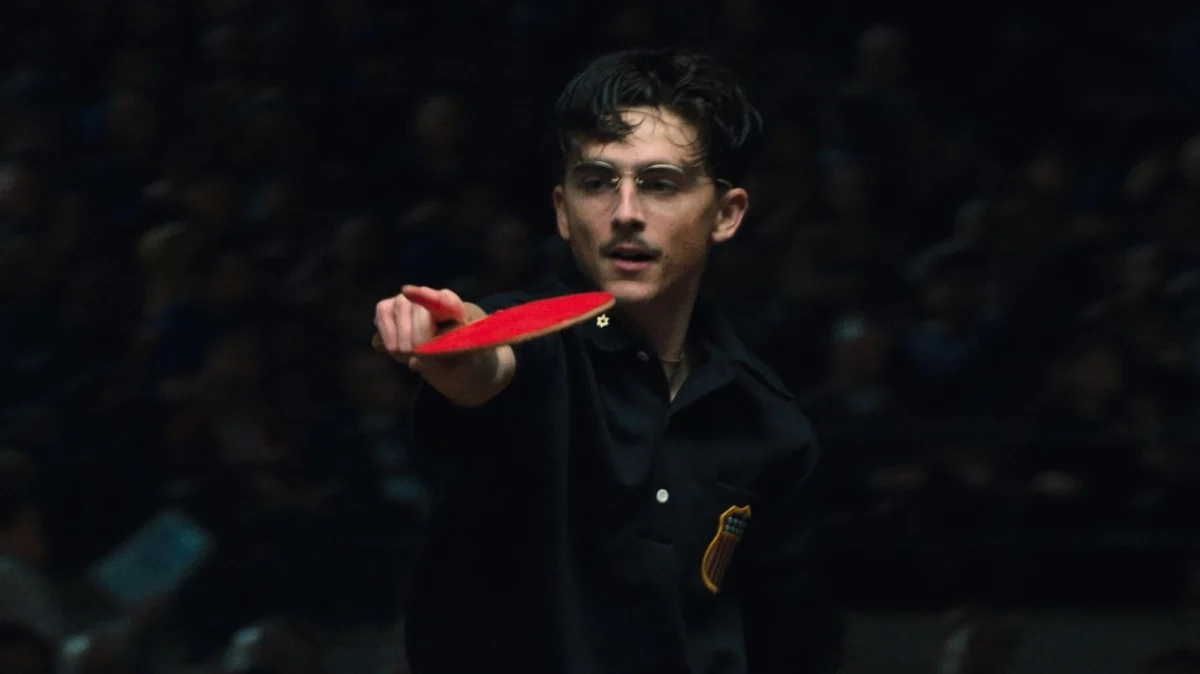
The pursuit of absolute perfection is a narrative engine that has powered some of the most visceral and unsettling cinema of the 21st century. It is a journey defined not by the destination, but by the wreckage left in the traveler’s wake. This theme finds its most recent, agonizing expression in Marty Supreme, the 2025 release directed by Josh Safdie and written by Ronald Bronstein. As audiences grapple with the film’s polarizing protagonist, it becomes clear that Marty Supreme is more than just a sports drama; it is a profound study of the human cost of ambition.
Main Facts: The Anatomy of a Wrecking Ball
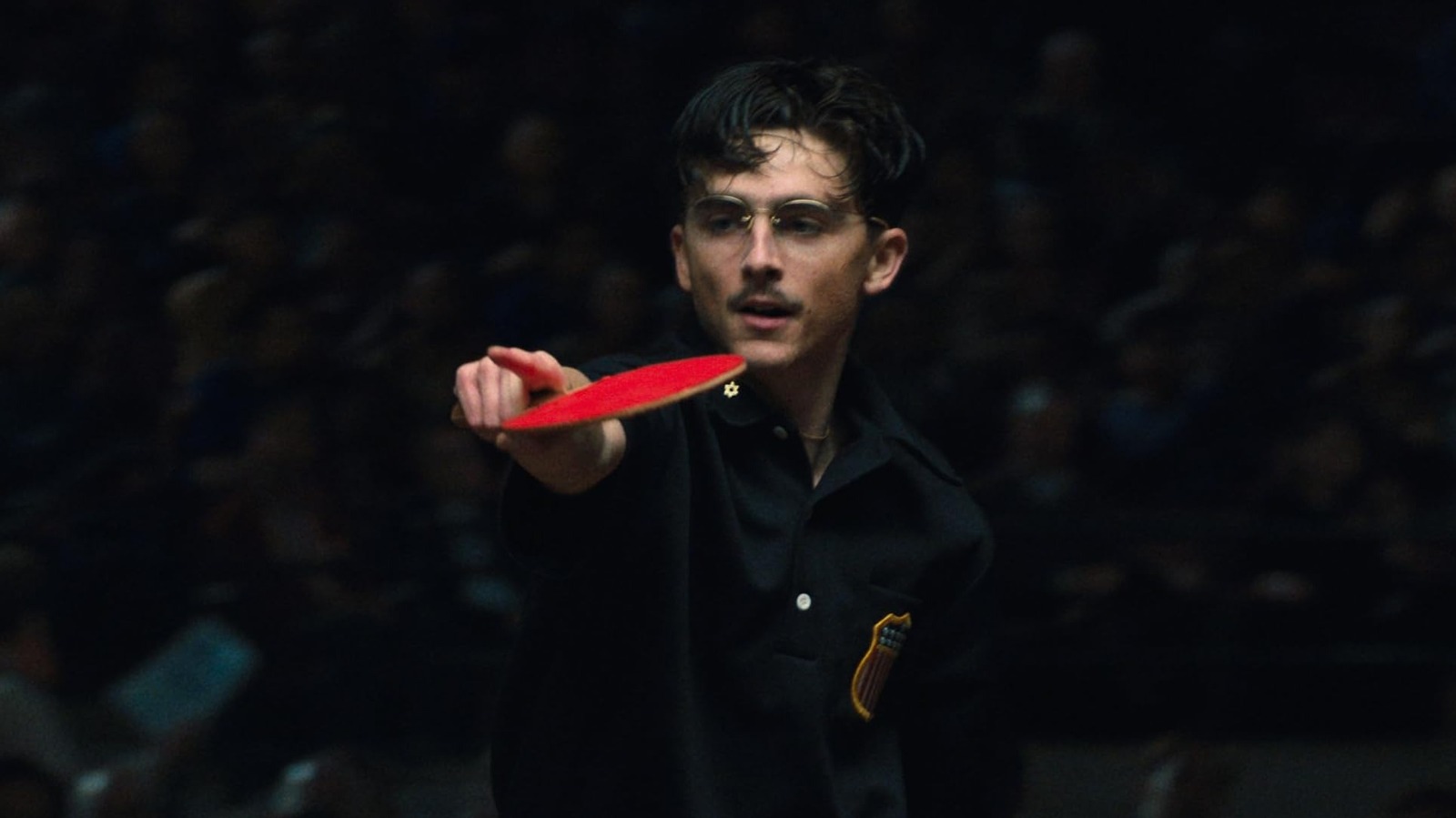
Marty Supreme stars Timothée Chalamet as Marty Mauser, a character whose singular focus on becoming the world’s greatest ping-pong player transcends passion and enters the realm of pathology. The film, which clocks in at two-and-a-half hours, is a masterclass in anxiety-inducing storytelling. Marty is not a traditional hero; he is a professional and personal demolition expert. Throughout the film, he abandons his pregnant partner, Rachel (played by Odessa A’Zion), alienates his family, and systematically exploits those closest to him—including his uncle, Murray (Larry "Ratso" Sloman)—to fund his ascent to the top.
The film’s central conflict is an inevitable clash between Marty and the reigning world champion, Koto Endo (Koto Kawaguchi). However, the tension in the film is less about the sport itself and more about the moral rot that settles in when one individual decides that their talent justifies any atrocity. Chalamet’s performance has been widely lauded as a career-defining turn, portraying a man so consumed by the need for excellence that he eventually strips himself of his own humanity.
Chronology: A Trajectory of Obsession
The narrative structure of Marty Supreme follows a classic, albeit brutal, trajectory of descent.
- The Inception: Marty begins as an underdog with undeniable raw talent. At this stage, the audience is invited to empathize with his struggle.
- The Escalation: As Marty enters the competitive circuit, his demands for perfection begin to manifest as interpersonal cruelty. The abandonment of his partner and the theft of his uncle’s savings mark the point of no return.
- The Climax: The confrontation with Koto Endo serves as the film’s centerpiece. By this point, Marty has burned every bridge, leaving him isolated and entirely defined by his performance at the table.
- The Aftermath: The film’s conclusion provides no catharsis, only the cold realization that the cost of the title far outweighed the value of the prize.
Supporting Data: Why We Are Drawn to the "Feel-Bad" Movie
The success of Marty Supreme—despite its uncomfortable subject matter—highlights a trend in modern cinema: the rise of the "stress-test" film. These movies, often characterized by frenetic pacing and morally ambiguous protagonists, resonate with audiences because they mirror the high-pressure, hyper-competitive nature of modern life.
While Chalamet’s performance was arguably the most talked-about of the year, he was ultimately edged out at the 2026 Academy Awards by Michael B. Jordan, whose dual performance in Sinners captured the voters’ imagination. Nevertheless, Marty Supreme has solidified its place in the A24 canon, joining a lineage of films that prioritize visceral, psychological discomfort over traditional narrative satisfaction.
Official Responses and Critical Reception
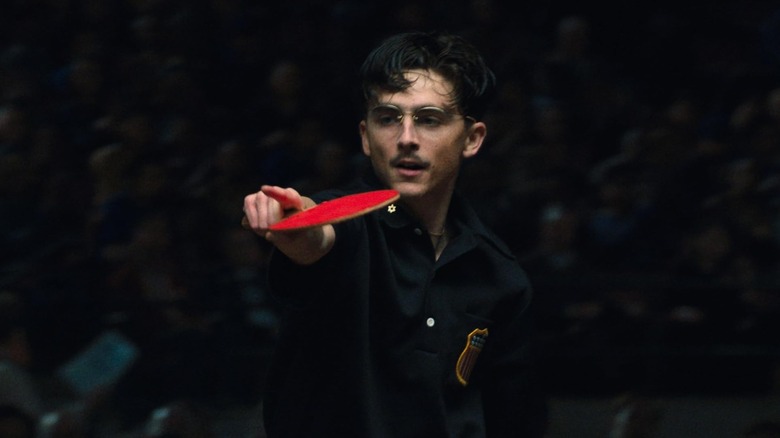
Critical reception to Marty Supreme has been largely defined by the audience’s reaction to Marty Mauser himself. Many reviewers have noted that the film is "brilliant and borderline unwatchable," a sentiment that echoes the reception of the Safdie brothers’ earlier work. The film has been praised for its technical precision—the way the camera tracks the ping-pong ball mirrors the frantic, erratic headspace of its protagonist—and for its refusal to provide a moral "out" for its main character.
In interviews, director Josh Safdie has suggested that the film was never intended to be a redemption arc. "We wanted to explore what happens when the ‘will to win’ is left unchecked by conscience," Safdie noted during a recent press panel. "Marty is a warning, not a blueprint."
Implications: A Cinematic Tradition of the Obsessed
To understand the cultural impact of Marty Supreme, one must look at the films that paved the way for this brand of intense, character-driven anxiety. These films, like Marty Supreme, serve as mirrors to our own competitive culture.
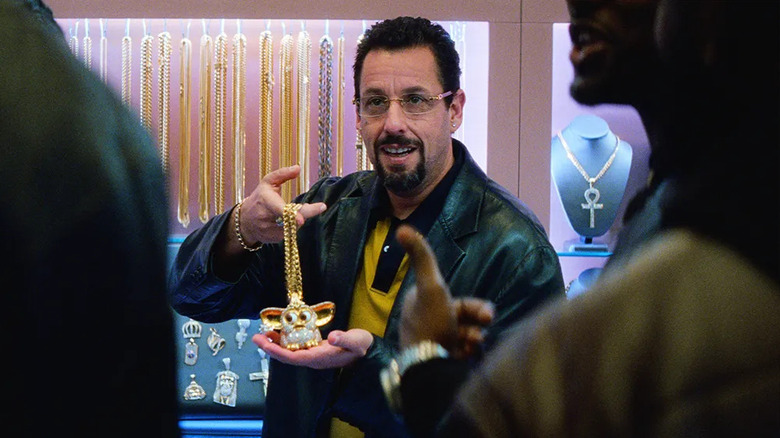
1. Uncut Gems (2019)
Before Marty Supreme, there was Howard Ratner. Adam Sandler’s performance in Uncut Gems remains the benchmark for the modern "heart attack in real time." The film’s focus on the Diamond District’s high-stakes gambling culture provided the blueprint for the Safdie brothers’ signature style: overwhelming tension, layered dialogue, and a protagonist whose fatal flaw is an inability to know when to stop.
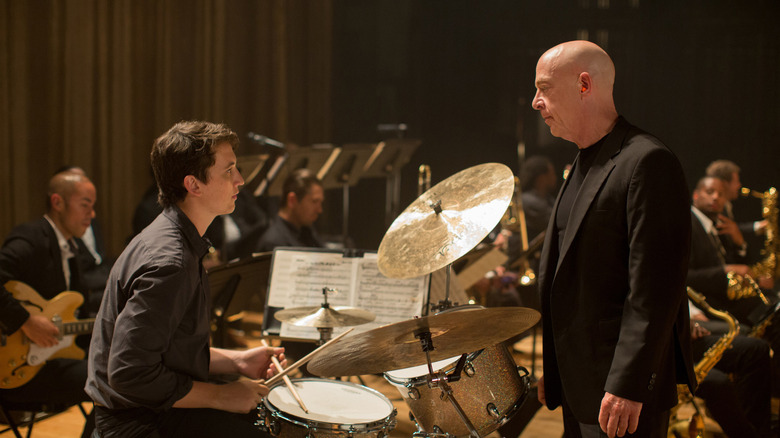
2. Whiplash (2014)
Damien Chazelle’s Whiplash is perhaps the most direct spiritual predecessor to Marty Supreme. By focusing on the relationship between an aspiring drummer and an abusive mentor, Chazelle interrogated the concept of "greatness." Is it worth destroying one’s soul to become the best? The film’s iconic "not my tempo" scene is a masterclass in psychological warfare, demonstrating that excellence is often forged in the fires of trauma.
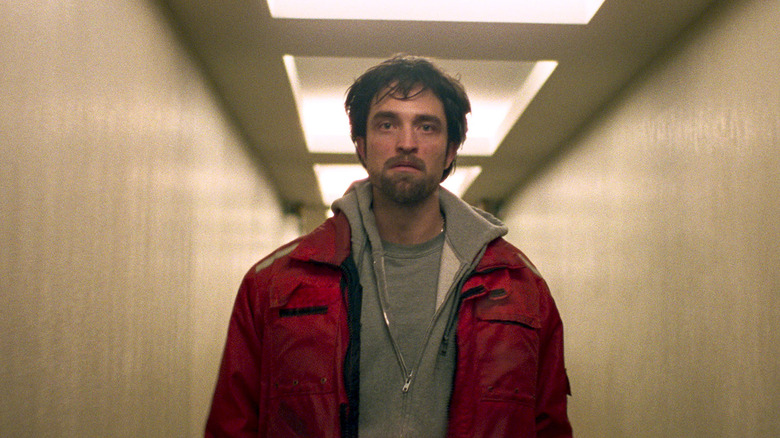
3. Good Time (2017)
Also written by Marty Supreme scribe Ronald Bronstein, Good Time features Robert Pattinson in a role that serves as a precursor to Chalamet’s Marty. Connie Nikas is a man who loves his brother but is fundamentally incapable of acting in a way that doesn’t cause disaster. It is a film about the chaotic ripple effects of a singular, desperate decision.
4. Challengers (2024)
Luca Guadagnino’s Challengers brought the competitive spirit to the tennis court. Much like Marty Supreme, the film uses a sport as a proxy for complex, toxic human relationships. The use of a thumping, industrial-inspired score by Trent Reznor and Atticus Ross transformed the act of playing tennis into a primal, almost violent dance. It remains one of the most stylish and stressful films of recent years.
5. Black Swan (2010)
Darren Aronofsky’s psychological horror-drama remains the definitive exploration of the physical toll of perfectionism. Nina Sayers’ descent into madness as she prepares for Swan Lake serves as a grim reminder that when we pursue perfection to the exclusion of all else, we eventually lose our grip on reality.
Conclusion: The Final Verdict
Whether you find Marty Supreme to be a masterpiece of character study or an exercise in endurance, its place in cinema history is secure. It forces the audience to sit in the uncomfortable space between admiration for a talent and revulsion at the person wielding it.
As the credits roll and the viewer is left with the silence of a life lived for a singular, destructive goal, the question remains: if we achieved everything we ever wanted, would we be able to recognize ourselves in the mirror? Marty Supreme doesn’t provide an answer, but it ensures that you won’t stop thinking about the question.
Marty Supreme is currently available for streaming on HBO Max. For those looking to continue their descent into the world of high-stakes, obsessive cinema, the five films listed above offer the perfect—and perfectly stressful—follow-up. Just remember to check your blood pressure before you begin.

 Sagoh
Sagoh
 Nana Muazin