The global anime industry is currently grappling with a growing divide between its expanding Western audience and the localization teams tasked with bridging the cultural gap. At the center of the latest controversy is Crunchyroll, the world’s largest dedicated anime streaming platform. Despite recent increases in membership fees and a move toward consolidating the market, the platform has come under fire for what critics describe as an alarming trend of "botched" localizations. The most recent flashpoint is the English-language dub of Dead Account, an adaptation of Shizumu Watanabe’s modern supernatural manga.
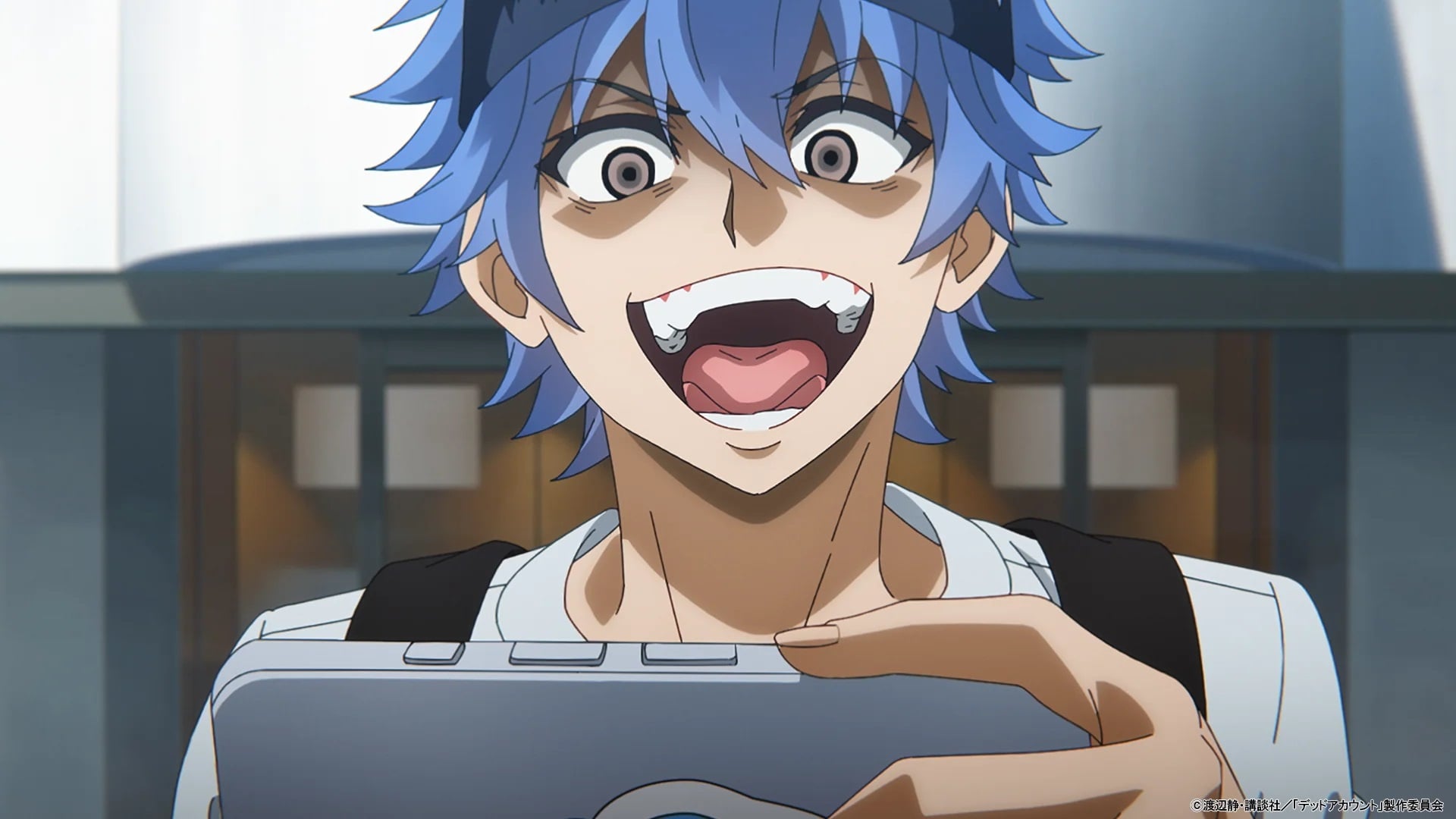
Fans and critics alike have noted that the English script for Dead Account frequently abandons the author’s original intent in favor of "chronically online" slang, internet memes, and "Zoomer" vernacular. This shift has reignited a fierce debate over the ethics of localization, the preservation of a creator’s voice, and the perceived "memeification" of Japanese media for Western consumption.
Main Facts: The Localization Controversy Explained
Dead Account, based on the manga by Shizumu Watanabe, is a contemporary take on the exorcist genre. The story follows the students of Miden Academy, an institution dedicated to hunting "ghost accounts"—social media profiles of the deceased that have been possessed by malevolent aberrations. These entities are fought using "cyberkinesis," a smartphone-based spiritual power. Given the series’ inherent focus on social media culture, it was perhaps inevitable that modern slang would play a role in the localization.
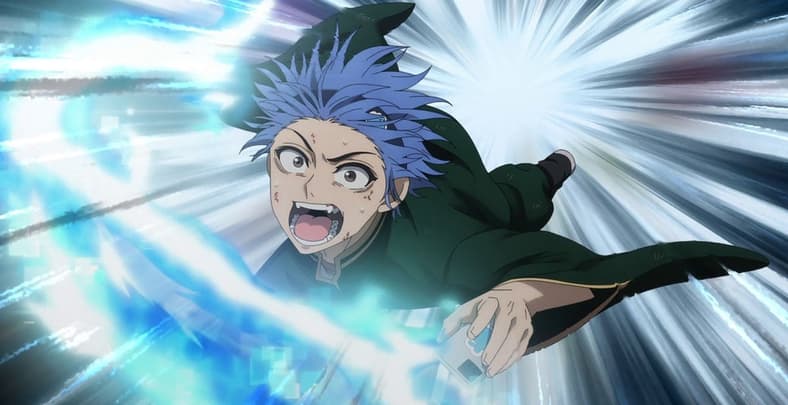
However, the contention lies in the degree and nature of the adaptation. While the official manga translation by Kodansha and even Crunchyroll’s own English subtitles remain largely faithful to the Japanese text, the English-language dub script takes significant "creative liberties." Scriptwriters have replaced standard dialogue with highly specific, and often ephemeral, internet slang such as "cope," "seethe," "mald," "slay," "yassified," and "girlie-pop."
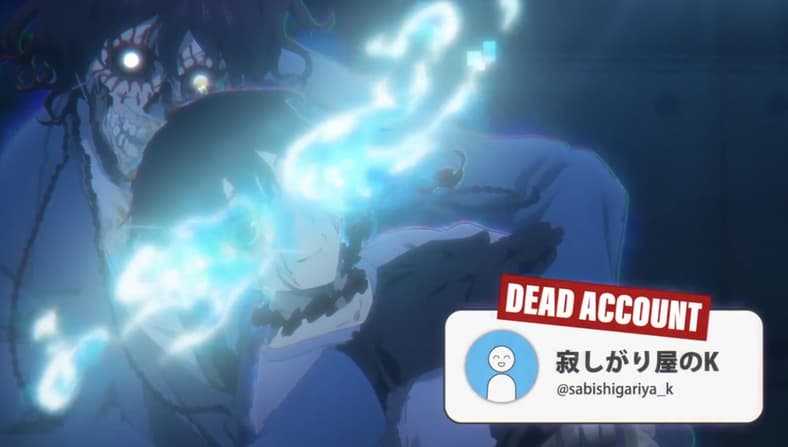
The primary criticisms leveled against these choices include:
- Loss of Character Voice: The original Japanese dialogue often conveys a specific tone (menacing, professional, or desperate) that is replaced by a uniform "internet-speak" persona.
- Rapid Dating of Material: Slang like "yassified" or "serving" often has a short cultural shelf life, potentially making the dub feel dated within a few years.
- Divergence from Source Material: The dub frequently ignores the established translations in the manga and the literal meaning of the Japanese script.
Chronology of Incidents: A Breakdown of "Dead Account" Localization
The discrepancies between the source material and the English dub appear as early as the series premiere and escalate as the narrative progresses.
Episode 1: "The Ultimate Flamebaiter"
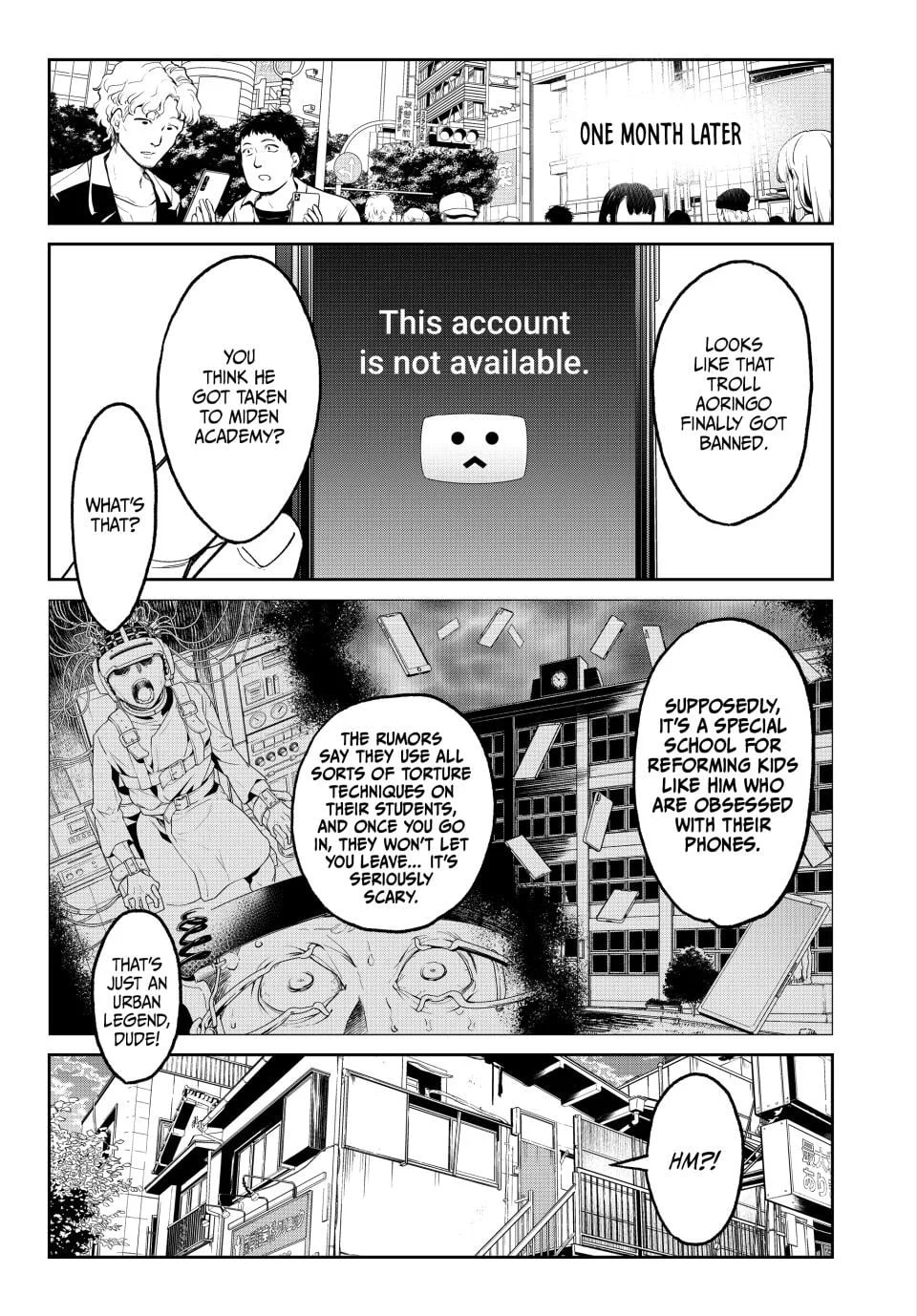
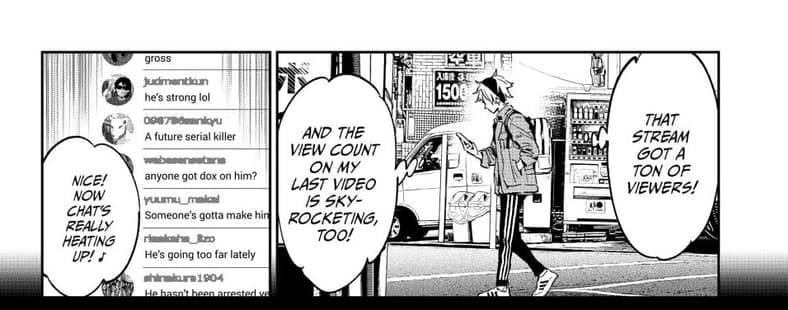
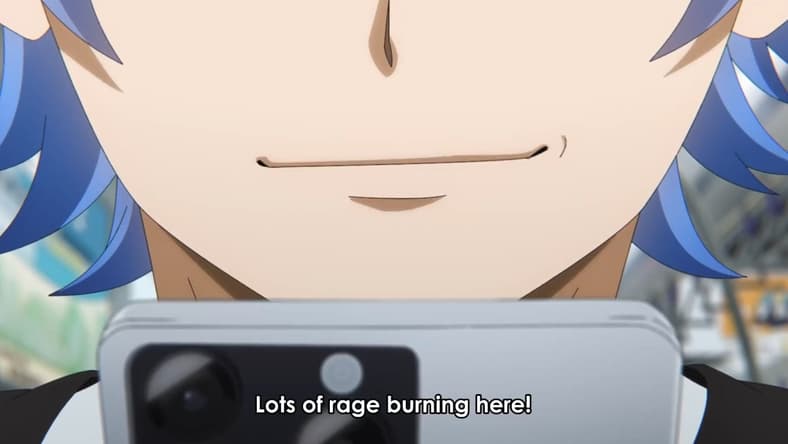
The series introduces Soji Enishiro, a "flamebait" Mytuber who thrives on controversy. In the original Japanese script and the Kodansha manga translation, Soji celebrates the success of his stream by noting that the "chat is really heating up" or that there is "lots of rage burning." These lines lean into the "flame" metaphor consistent with his persona.
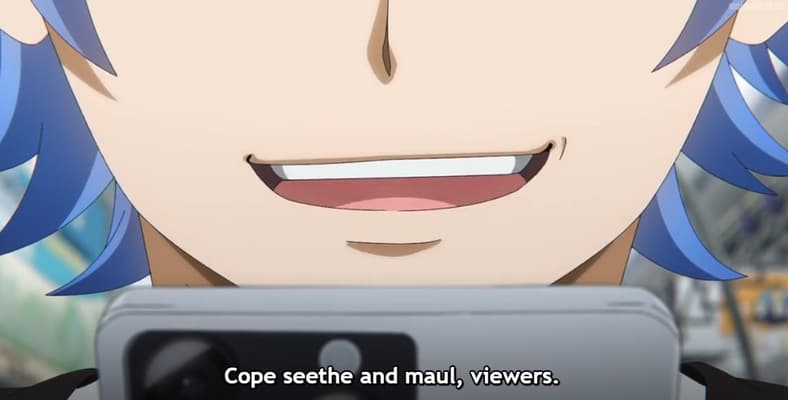
However, the Crunchyroll English dub replaces this with: "Cope, seethe, and mald, viewers!" While these terms are common in modern gaming and streaming circles, they represent a linguistic departure from the specific fire-based imagery of the original text.
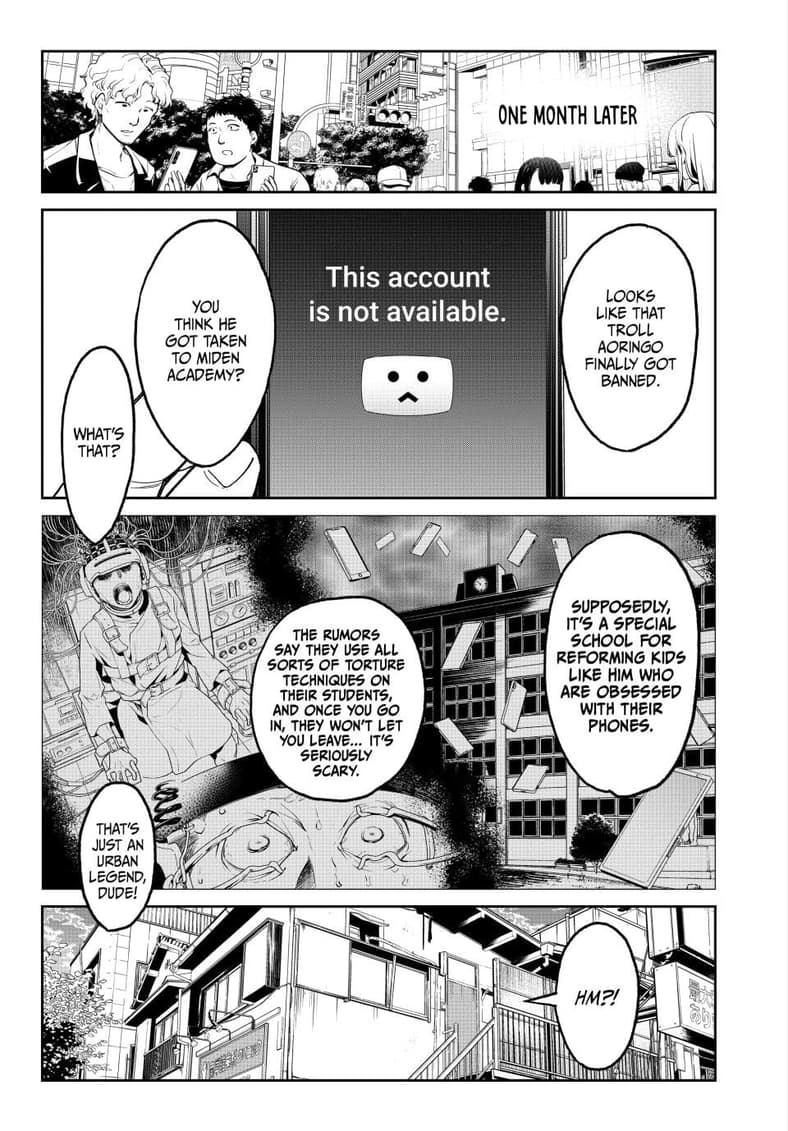
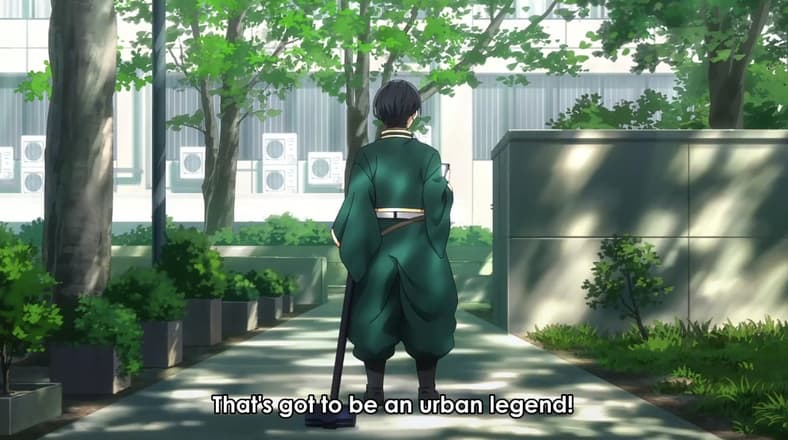
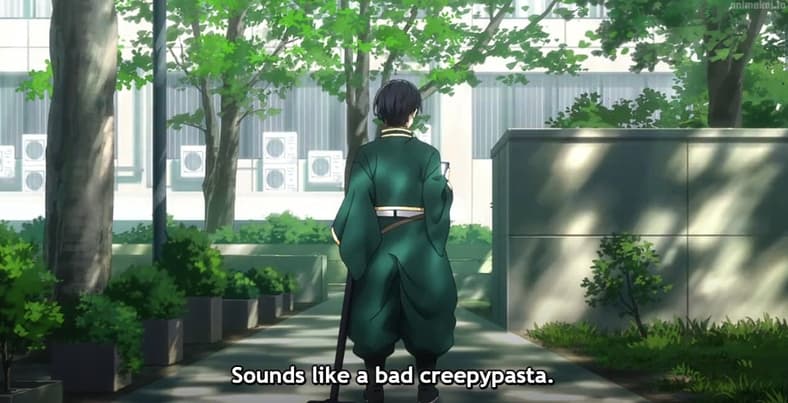
Later in the same episode, a bystander discusses an urban legend regarding Miden Academy. In the manga and subtitles, the character dismisses the rumor as "just an urban legend." The dub, however, adapts this to: "Sounds like a bad creepypasta!" While "creepypasta" is a relevant term for internet horror, critics argue it replaces a universal concept (urban legend) with a niche internet subculture term that may not fit the character’s setting.
Episode 4: "The Worst Trio Possible"
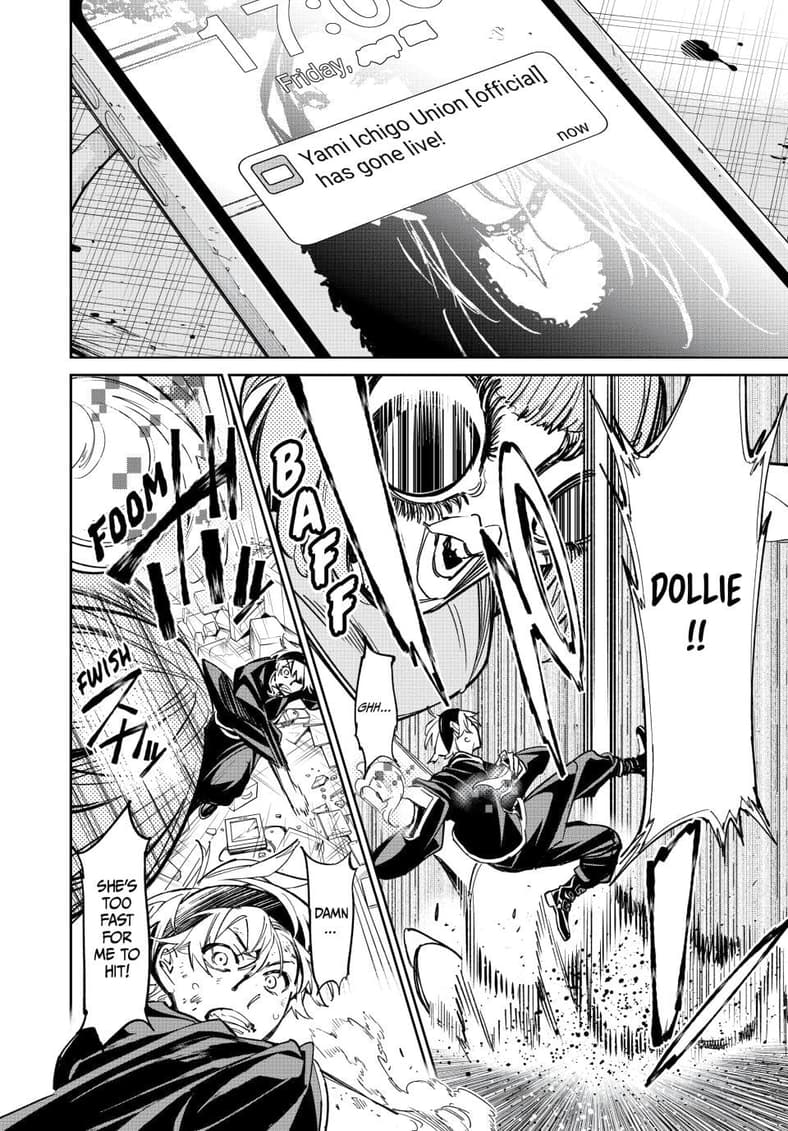
The most egregious examples of script rewriting occur in the fourth episode during an encounter with the ghost account "Kirika-chan." Kirika-chan is a mid-level ghost obsessed with beauty and photography.
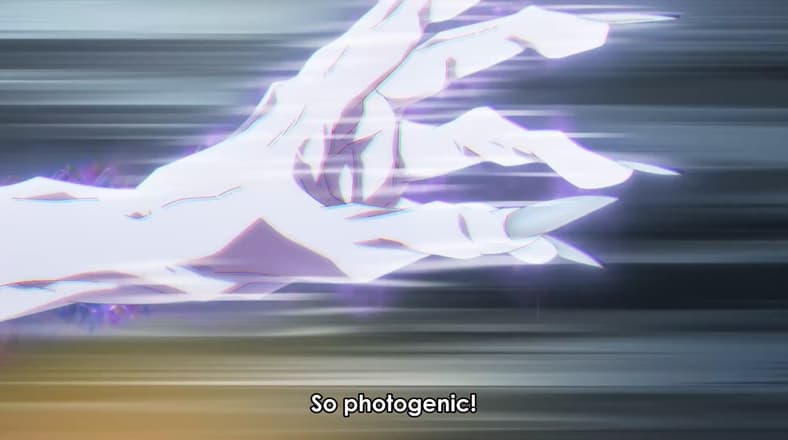
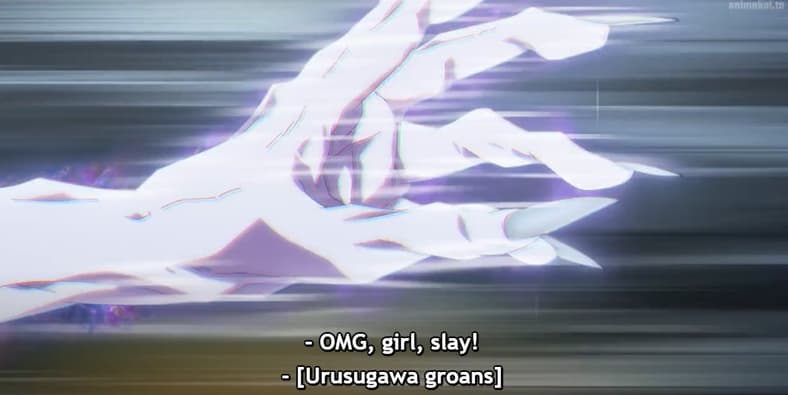
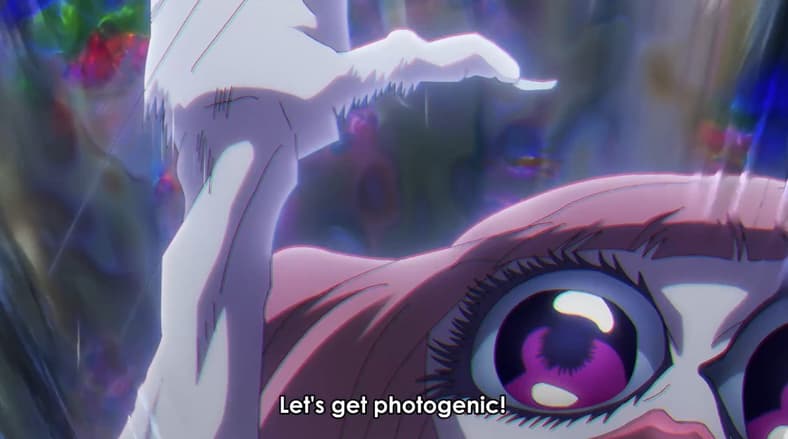
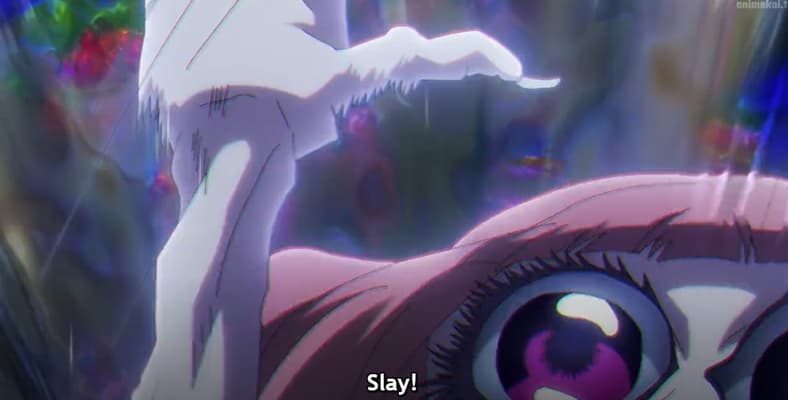
In the subtitles, when Kirika-chan attacks, she screeches, "So photogenic!" The English dub changes this to: "OMG, girl, slay!"
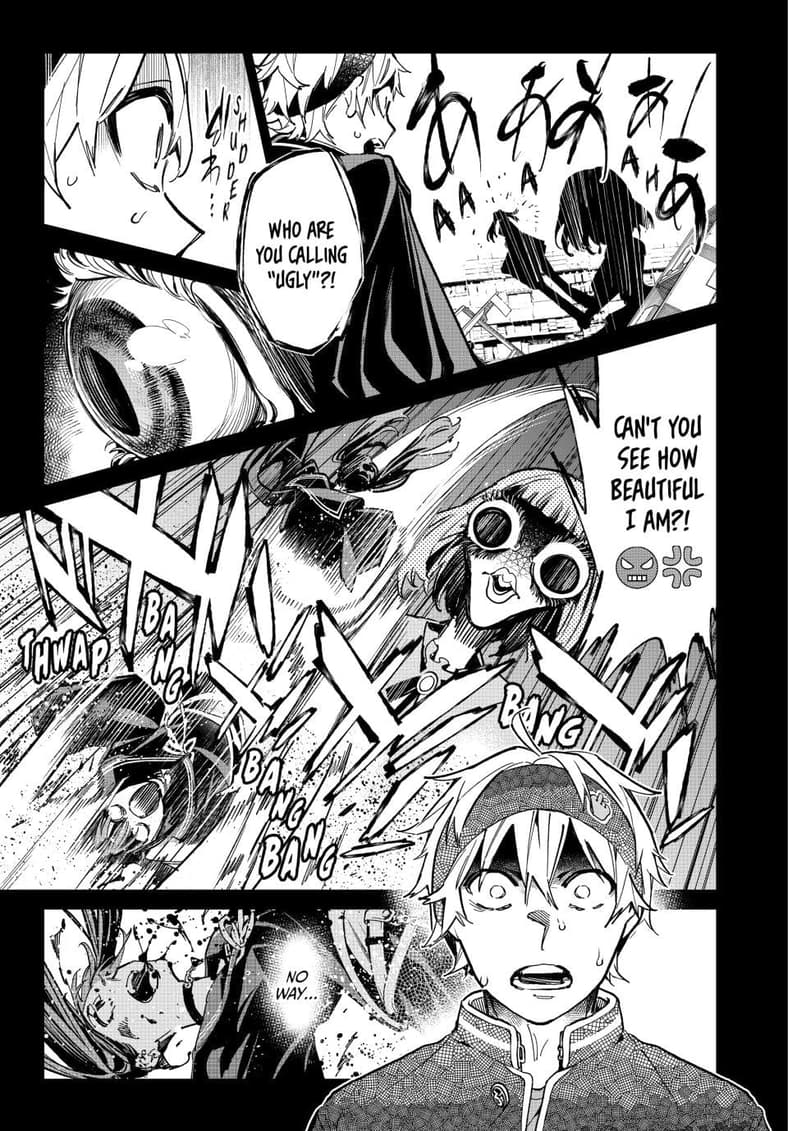
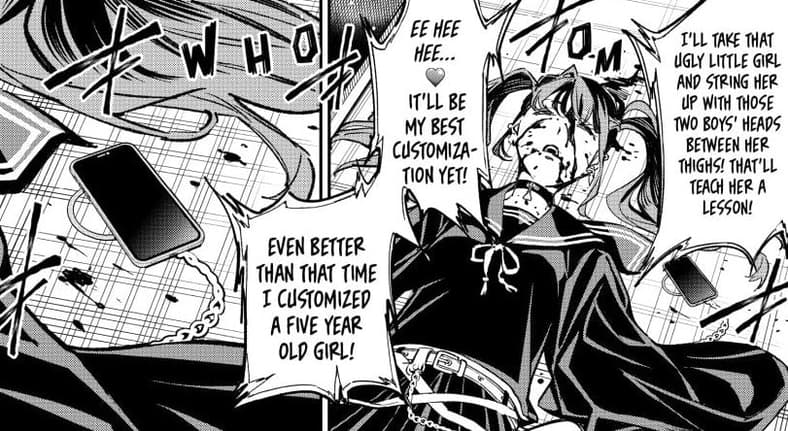
The dialogue becomes even more divergent during a confrontation with the character Urusugawa. In the manga, Kirika-chan reacts to being called ugly by shouting, "Who are you calling ugly?! Can’t you see how beautiful I am?!"
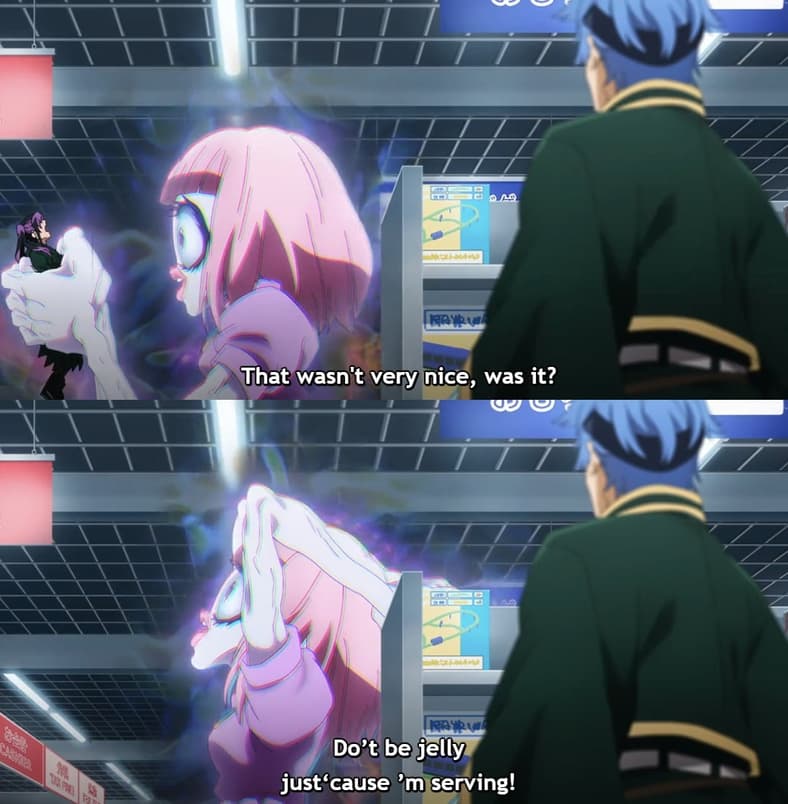
The English dub script reads: "That wasn’t very nice was it? Don’t be jelly just ’cause I’m serving!"
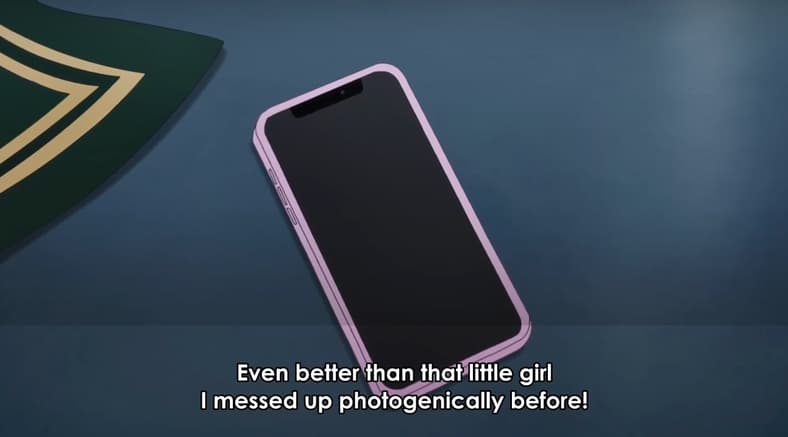
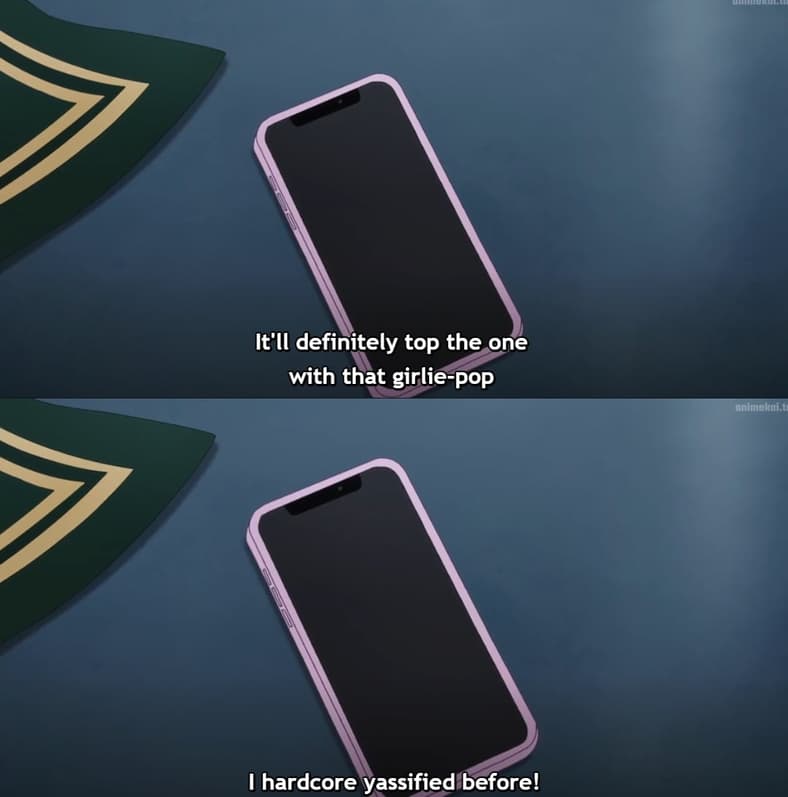
The climax of this scene involves Kirika-chan describing her past victims. In the manga, she speaks of "customizing" a five-year-old girl, a line intended to showcase her horrific and predatory nature. The English dub translates this as: "It’ll definitely top the one with that girlie-pop that I hardcore yassified before!" followed by the ghost screaming "Slay!" as she launches her final assault.
Episode 5: "The Anachronistic Exorcist"
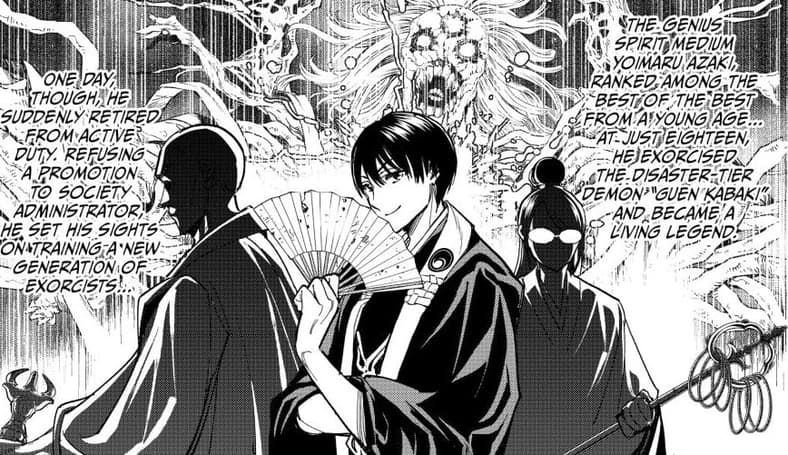
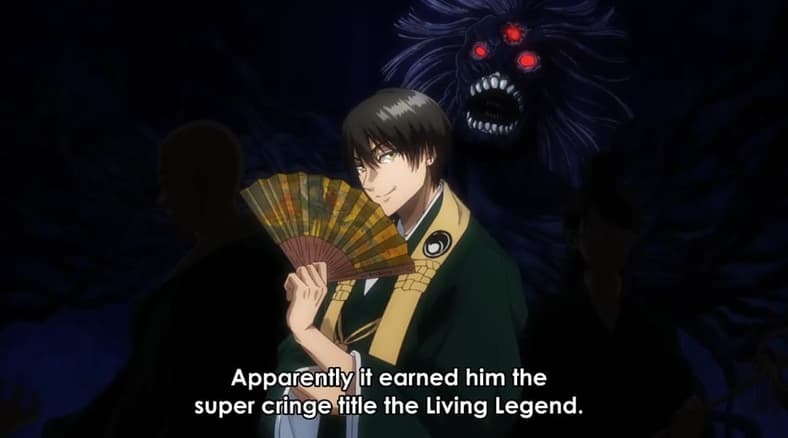
In the fifth episode, the dialogue shifts from slang-heavy to a more dismissive tone regarding the series’ lore. When discussing the legendary exorcist Yoimaru Azaki, the manga refers to him as a "Living Legend" who earned his rank at a young age.
Crunchyroll’s localization (both in subtitles and dub) adds a layer of meta-commentary not present in the original. The character Urusugawa describes the title "Living Legend" as being "super cringe." This addition of a character’s personal disdain via modern slang alters the audience’s perception of the world-building, transforming a moment of genuine exposition into a vehicle for snark.
Supporting Data: The Philosophical Rift in Localization
The controversy surrounding Dead Account is part of a broader, ongoing debate within the anime community regarding "Woolseyism"—the practice of making significant changes to a translation to make it more appealing or understandable to a target audience.
Proponents of this "liberal" localization argue that:
- Cultural Nuance: Direct translations can often feel stiff or fail to convey the "vibe" of Japanese slang to Westerners.
- Accessibility: Using modern vernacular makes the show feel more relatable to a younger, tech-savvy demographic.
However, a growing segment of the audience—often referred to as "purists"—argues that:
- Fidelity is Paramount: The localizer’s job is to be an invisible bridge, not a co-author.
- Cultural Erasure: By replacing Japanese social contexts with Western internet memes, the unique cultural flavor of the anime is erased.
- The "Oshi No Ko" Precedent: This is not an isolated incident. Similar backlashes occurred with the localization of Oshi No Ko, where "cancel culture" terminology was inserted into scripts, and Blue Box, where the term "feminine" was changed to "feminist" in a context that fans felt altered the character’s meaning.
Official Responses and Industry Context
As of this writing, Crunchyroll has not issued a formal statement regarding the specific dialogue choices in Dead Account. Historically, the platform has stood by its localization teams, emphasizing that scriptwriters and ADR (Automated Dialogue Replacement) directors are professionals who aim to produce "natural-sounding" dialogue.
The industry context is further complicated by the recent merger of Funimation and Crunchyroll under Sony’s ownership. With fewer competitors in the space, some fans feel that Crunchyroll has less incentive to respond to quality-control complaints. Furthermore, the rise of AI in translation has led some to speculate that human localizers are intentionally "over-stylizing" scripts to prove their creative worth over machine-generated text—a theory that, while unproven, highlights the tension within the profession.
Implications: The Future of Cross-Cultural Media
The "yassification" of Dead Account serves as a case study for the risks of hyper-localizing media. When a script relies heavily on the "slang of the month," it risks alienating viewers who are not part of that specific online subculture and ensures the product will not age gracefully.
More importantly, it raises questions about the relationship between the creator and the distributor. When Shizumu Watanabe wrote Dead Account, the horror derived from the grotesque distortion of social media vanity. Critics argue that by turning the dialogue into a series of memes, the English dub risks turning that horror into a parody, undermining the stakes of the story.
As the anime market continues to expand, the demand for high-quality, faithful localization is likely to grow. The backlash against Dead Account suggests that while audiences are hungry for modern stories, they prefer their "cyber-exorcism" without a side of "girlie-pop" and "cringe" commentary. For Crunchyroll and other distributors, the challenge will be finding a balance that respects the source material while still speaking to a global audience—without losing the "soul" of the original work in the process.