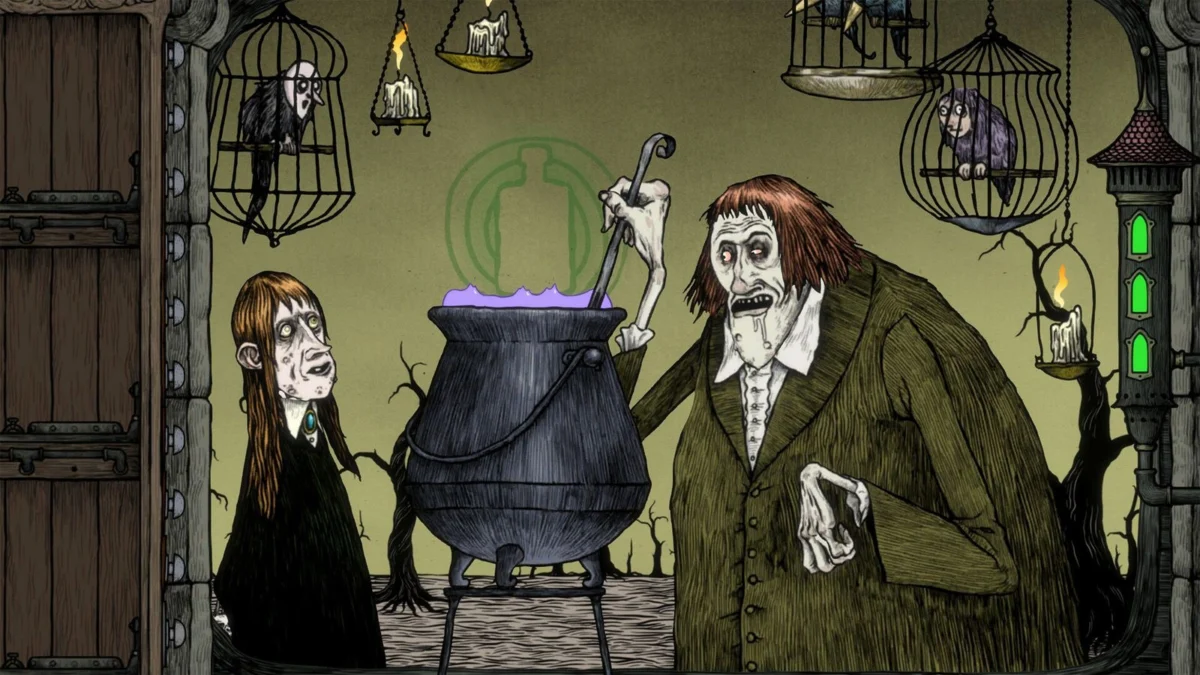
As the shadows lengthen and the autumn chill settles in, artist John Kenn Mortensen invites us to step into the dark. Known for his unsettling, ink-drenched illustrations that capture the fleeting, half-glimpsed horrors of the subconscious, Mortensen has spent a career perfecting the art of the macabre. Now, he is translating his signature aesthetic of scraggly lines and grotesque oddballs into the interactive, high-stakes world of video game development with FLASK, a dark fantasy roguelike deckbuilder developed by Chop Chop Games.
The project represents a significant departure for the veteran artist, who has historically operated as a solo practitioner across the realms of books, animation, and exhibitions. With FLASK, Mortensen has had to pivot from the tactile, monochrome intimacy of pen and paper to the collaborative, multi-dimensional complexity of digital game design.
The Genesis of a Nightmare: Creative Inspirations
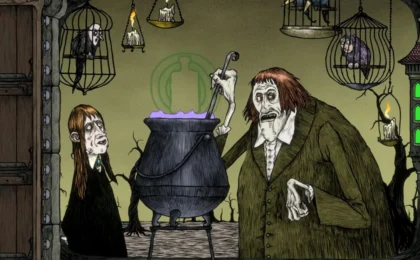
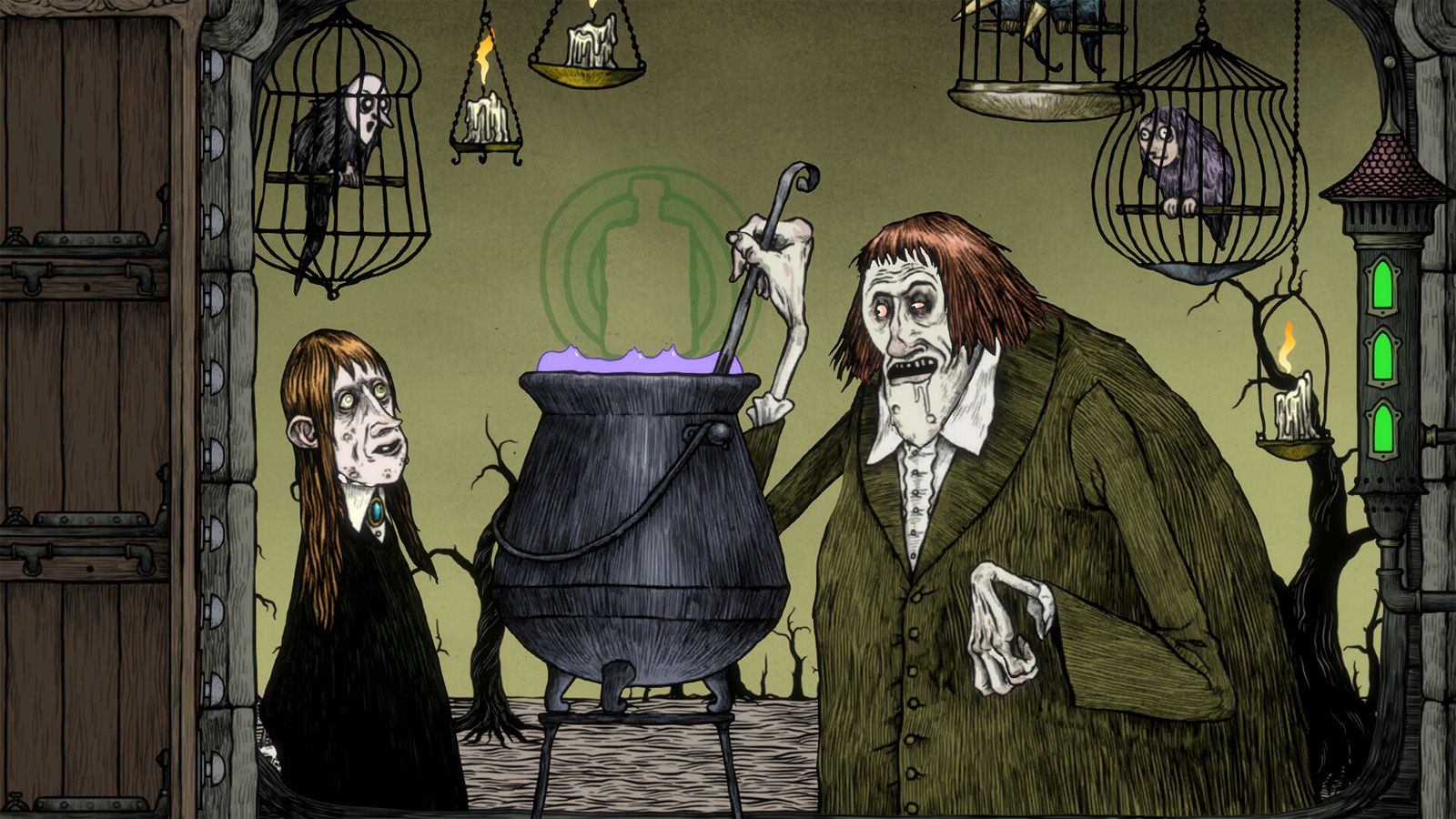
The visual identity of FLASK is not born from a vacuum. Mortensen cites a diverse array of influences that define the game’s aesthetic, ranging from the surreal, puppetry-driven dark fantasy of Jim Henson’s 1986 cult classic Labyrinth to the abrasive, high-octane energy of thrash metal pioneers, Slayer.
"In the light, everything is visible, revealed," Mortensen explains, articulating his philosophy on the nature of fear and creativity. "In the dark, there are secrets and things to be explored. I see my work as a dark room, with a door slightly ajar at the end, where a little light comes in."

This "ajar door" metaphor serves as the foundation for FLASK. The game doesn’t merely aim to be a deckbuilder; it attempts to inhabit a world where magic is a dangerous commodity, creatures are genuinely nightmarish, and even the most powerful wizard must contend with the mundane, soul-crushing reality of a mortgage on his tower. It is a marriage of high-fantasy stakes and grounded, black humor that gives the title its unique flavor.
Chronology: From the Sketchbook to the Screen
The development of FLASK marks a transition in the artist’s professional trajectory. Historically, Mortensen’s workflow has been defined by isolation—an artist alone with his ink. Transitioning to FLASK required him to relinquish the singular control of the page to a broader development team at Chop Chop Games, led by co-founders Dario and Michael.
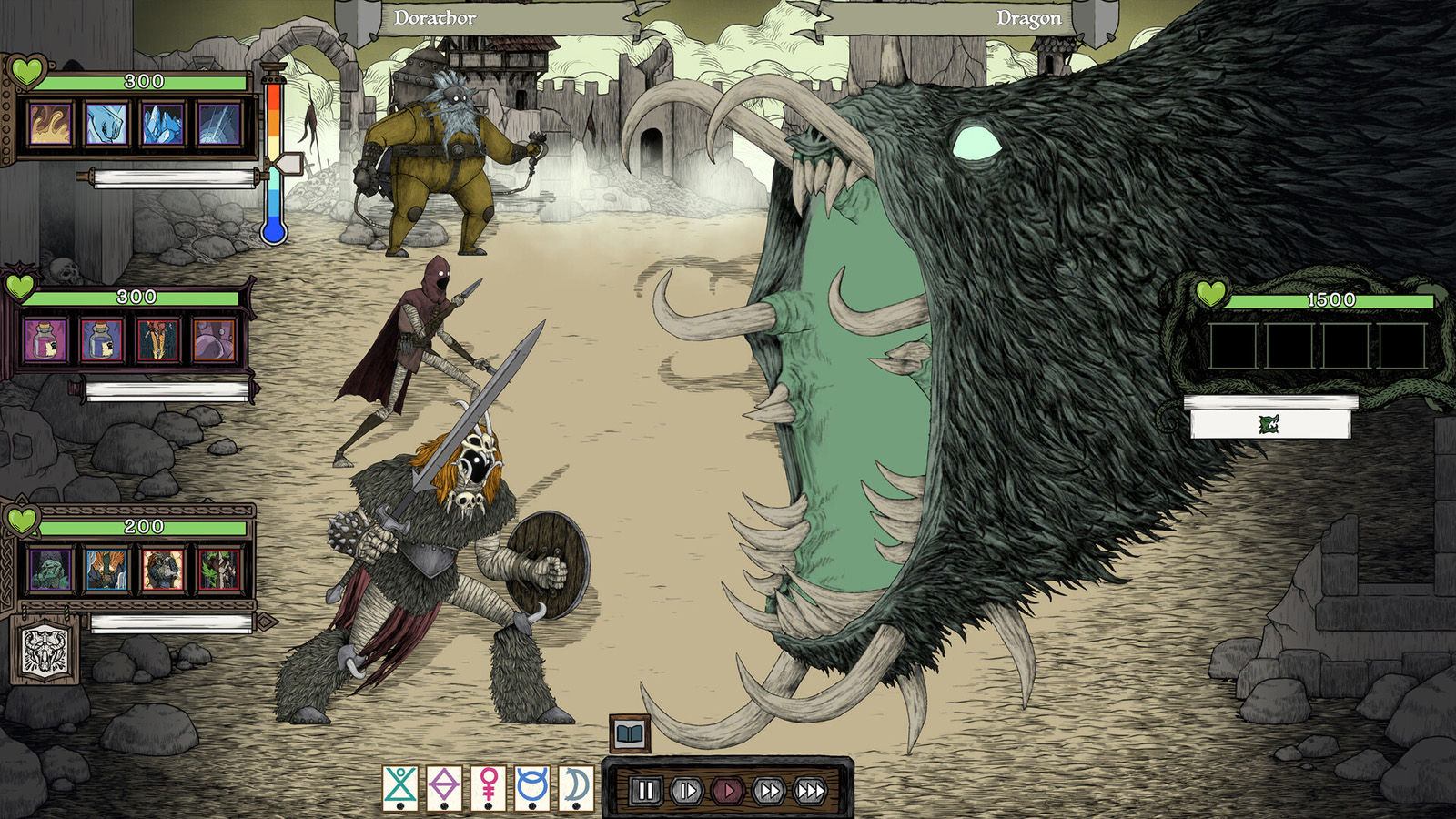
The Phases of Integration
- Conceptualization: Mortensen provided the core "soul" of the project—the sketches and character designs that defined the visual language of the world.
- Systemic Foundation: Before the art could be fully integrated, the team focused on the mechanical bedrock. The game’s identity as an auto-battler and roguelike necessitated a rigid mechanical framework—theory-crafting, card mechanics, and resource management—to ensure the game was fundamentally playable.
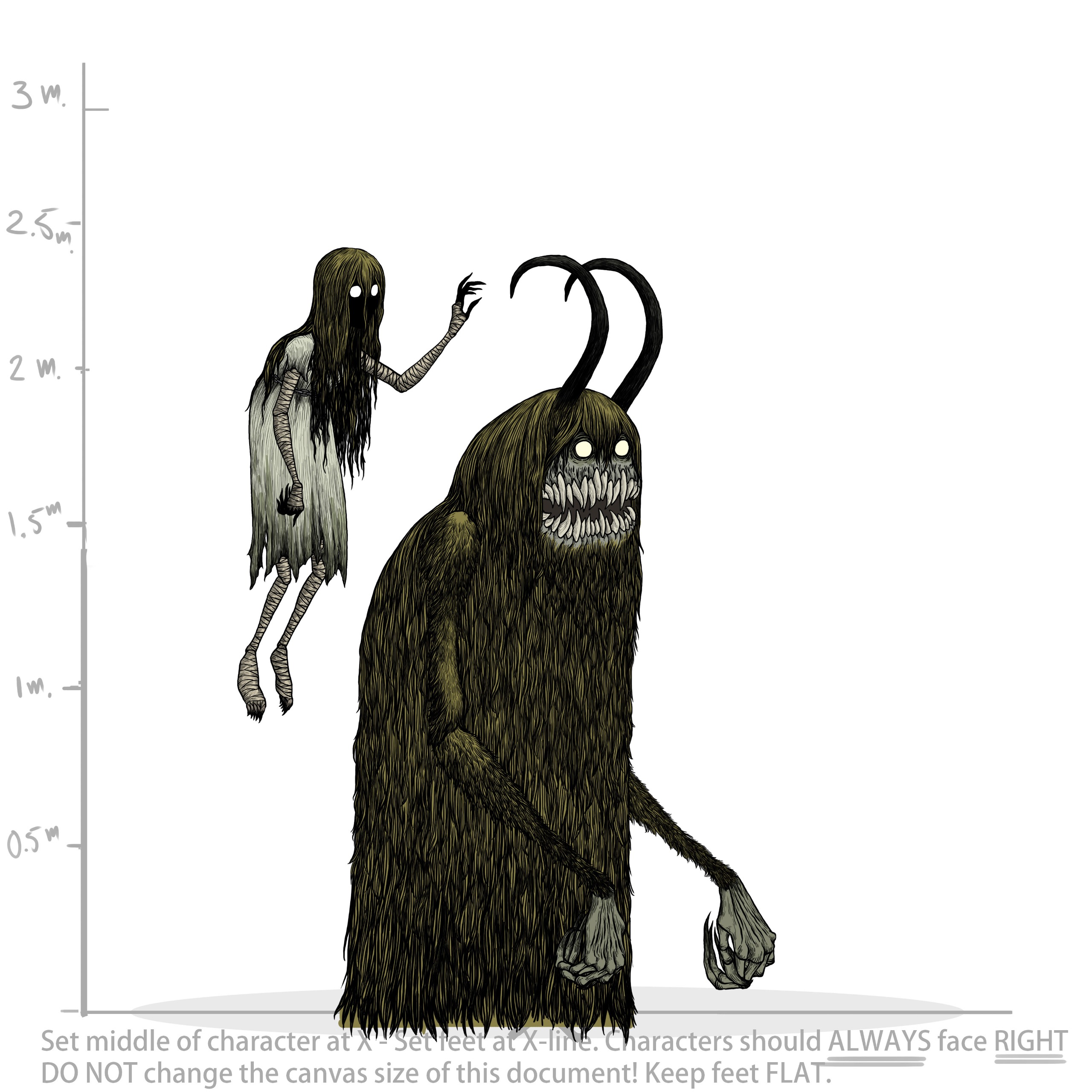
- Visual Translation: Once the mechanics were established, the collaboration moved to digitizing the "hand-crafted" feel of Mortensen’s work. This involved translating his stark, black-and-white ink drawings into a vibrant, yet consistent, digital environment.
- Refinement: The current phase involves constant iteration, with the development team working to ensure that the user interface—specifically the card art—remains legible while retaining the intricate, hand-drawn detail that serves as the project’s aesthetic anchor.
Supporting Data: Balancing Intricacy with Utility
One of the primary challenges in any deckbuilder is the need for visual clarity. A card must be readable at a glance, a requirement that often clashes with the dense, scratchy detail of Mortensen’s style.
"We have had artists from outside, and artists on the team, create the card artwork," Mortensen notes. "The rule for the artists working on the card art is that my visual style is the ‘real world,’ and they have to see themselves as artists in that world."
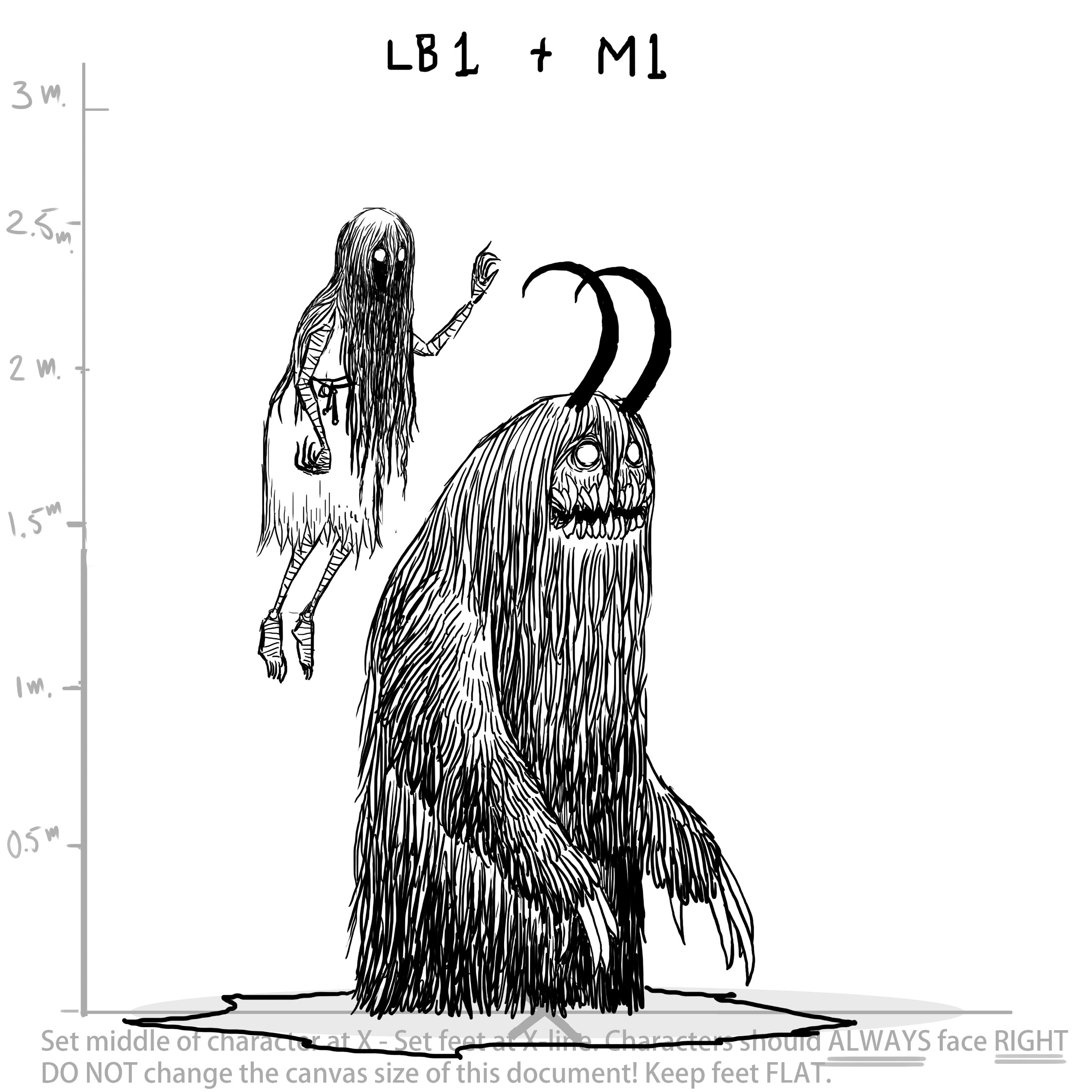
This meta-layer of design—where the card art acts as a secondary interpretation of the world established by the primary character designs—allows FLASK to maintain its artistic integrity without sacrificing user experience.
Furthermore, the addition of color, lighting, and shadow—elements largely absent from Mortensen’s traditional work—has proven to be a technical and creative hurdle. "Conveying the feelings in my art with color has been a huge challenge," he admits. "It’s been really rewarding experimenting with what I’m comfortable with and seeing how we can add more depth when it comes to inserting my drawings into a digital format."
Official Perspectives: The Value of Collaboration
For an artist accustomed to the solitude of the studio, the communal nature of game development has been an eye-opening experience. Mortensen is quick to credit the team at Chop Chop Games for the successful realization of his vision.
"It’s such a joy to have a team when I usually work solo," he says. "We have the best art team in the gaming world, I think."
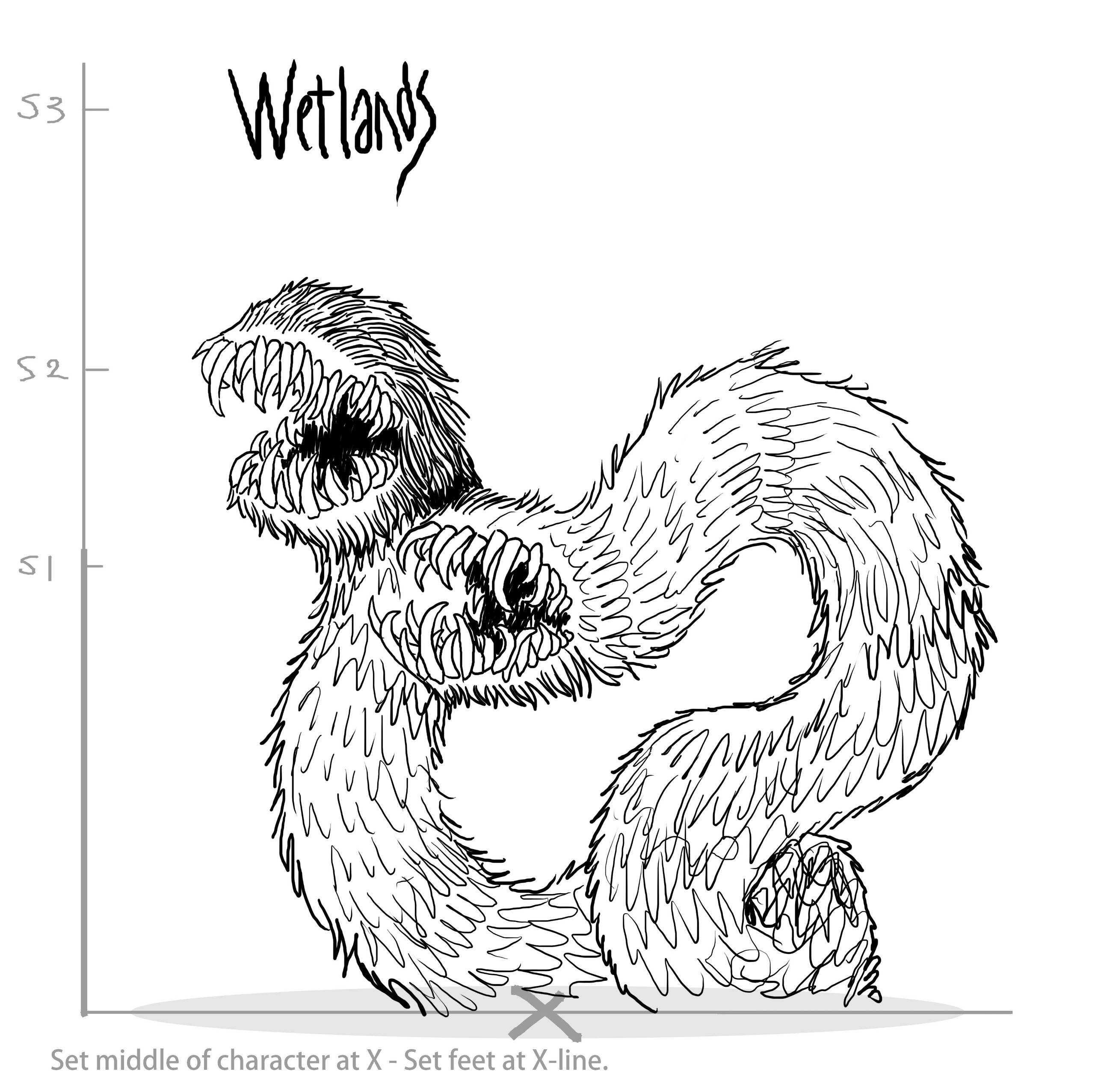
By delegating the technical implementation and the translation of his line art into game assets, Mortensen has been able to focus on his core strength: the character design and the world-building "flavor." The developers, in turn, have allowed the art to dictate the game’s atmosphere rather than forcing the art to conform to a pre-existing industry standard.
Implications: The Future of Digital Dark Fantasy
The release of FLASK on Steam during this Halloween season serves as a litmus test for the viability of blending traditional fine-art sensibilities with the rigid structures of the roguelike genre. If successful, it could signal a trend of "artist-led" indie games, where the aesthetic identity is not just a coat of paint, but the primary driver of the game’s mechanical and narrative design.
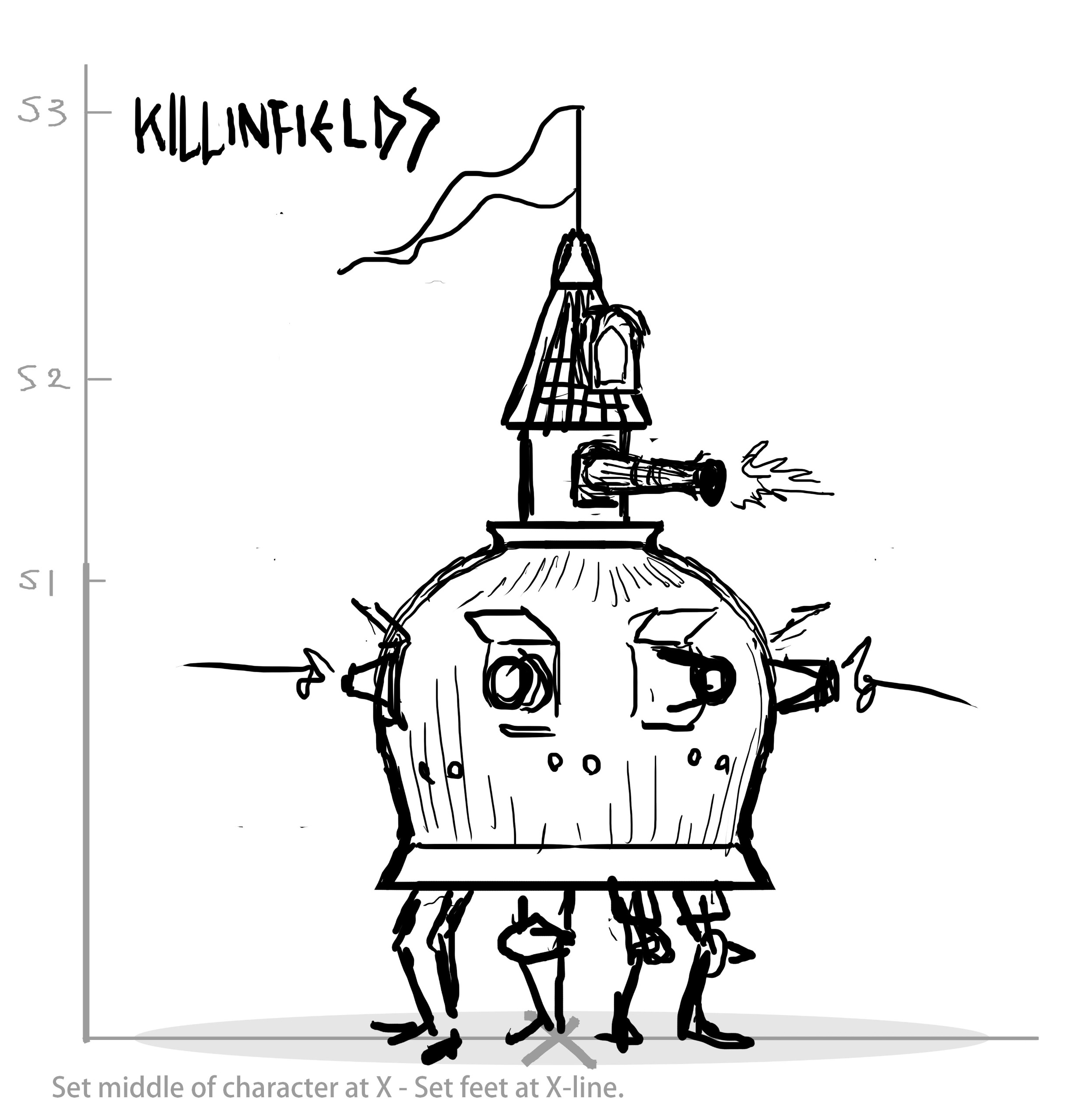
For Mortensen, the experience has already changed his outlook on his creative career. "I see my working life as a big house with a lot of very different rooms where I can hang out and play with the people in them," he reflects. "The only thing I think about before entering is to be as honest and true to myself as possible. There are so many new ideas!"
FLASK is more than just a game; it is a collaborative experiment in medium-shifting. It demonstrates that the grotesque and the beautiful, the dark and the light, can coexist in the digital space—provided the artist is willing to open the door just enough to let the audience peer inside.
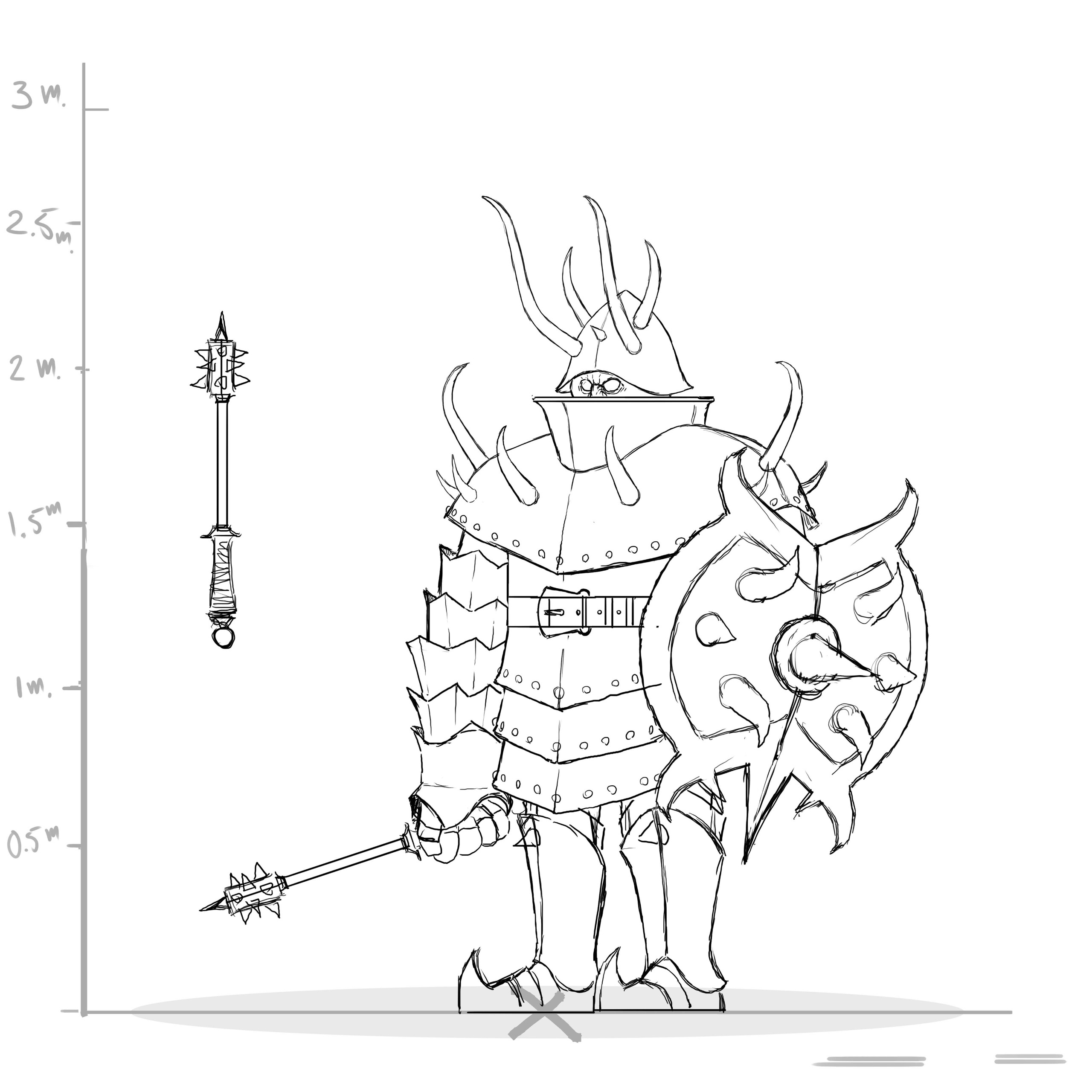
As players dive into the deckbuilding mechanics of FLASK, they are encouraged to look past the strategy and observe the lines. Whether it’s a monster emerging from the ink or a tower mortgage that needs settling, the game is a testament to the fact that, even in the digital age, the most compelling worlds are those that feel, in every scratch and shadow, like they were drawn by hand.
FLASK is currently available for download on Steam. For those looking to follow the evolution of the game’s art, Mortensen continues to share his progress via his official social channels.