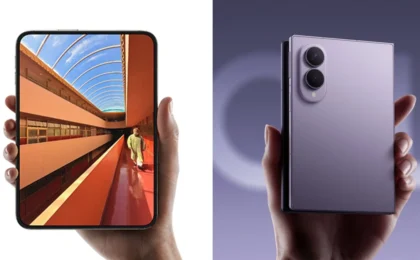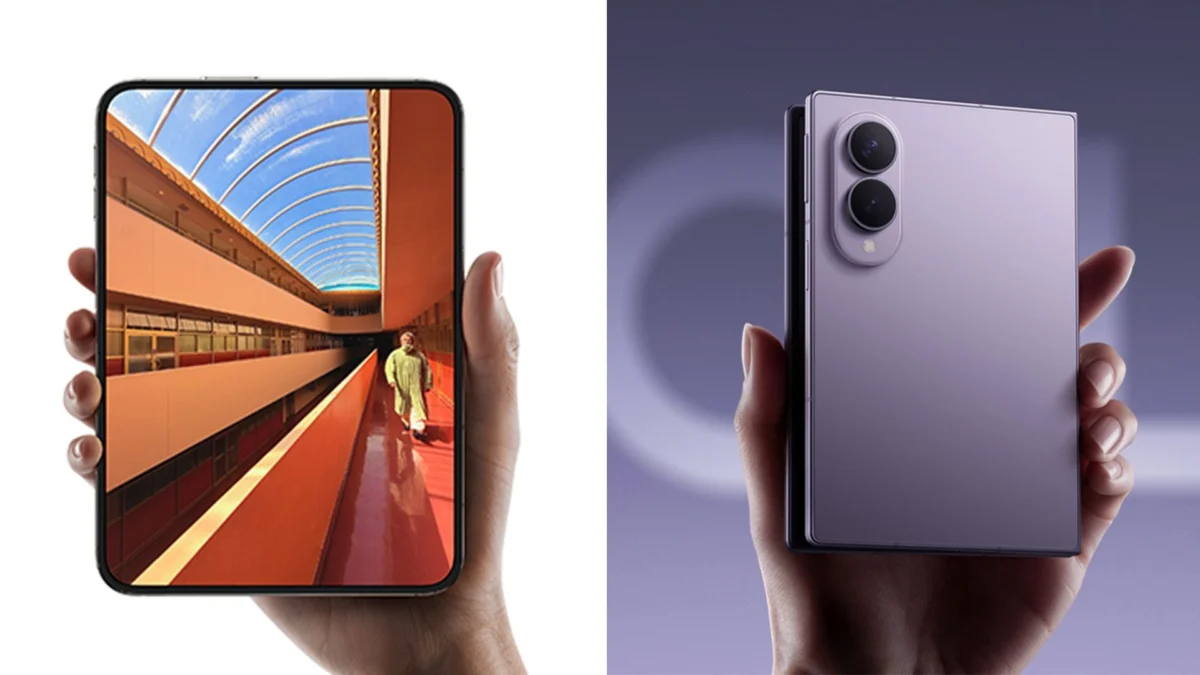
The smartphone industry has long been defined by the duopoly of Apple and Samsung. However, as the frontier of mobile technology shifts toward foldable displays, the battlefield has evolved from mere software features to the structural integrity of hardware. With recent reports of screen-cracking issues plaguing the newly launched iPhone Duo, Samsung has wasted no time in seizing the narrative, launching a calculated marketing offensive to remind consumers—and critics alike—who truly pioneered the foldable category.
The Cracks in the Armor: The iPhone Duo Controversy
The launch of the iPhone Duo was intended to be Apple’s definitive answer to the burgeoning foldable market. Yet, barely weeks after hitting store shelves, a troubling pattern has emerged: reports of display fractures occurring in identical, specific locations across various units. These "cracks" have sparked a firestorm of speculation among tech analysts and enthusiasts.
While some Apple loyalists have pointed to potential user error or extreme environmental conditions, the recurrence of the issue at the device’s primary hinge point suggests a possible manufacturing or design flaw. This technical vulnerability has provided the perfect opening for Samsung, which has positioned itself as the seasoned veteran of the foldable space. By leveraging its history of trial, error, and refinement since the 2020 debut of the Galaxy Z Fold, Samsung is not merely selling a phone; it is selling the maturity of a technology that Apple is still struggling to master.
A Chronology of the Foldable Race
To understand the current tension, one must look back at the trajectory of the foldable market over the last half-decade.
2019–2020: The Experimental Phase
The foldable era began with high-profile growing pains. Samsung’s initial attempt at the Galaxy Fold was famously delayed after early reviewers experienced catastrophic display failures. However, unlike many competitors, Samsung leaned into the challenge, utilizing the feedback to re-engineer the hinge and screen protection. By the time the Galaxy Z Fold 2 arrived in 2020, Samsung had established a new form factor that the industry largely ignored or ridiculed, but one that Samsung remained committed to.
2021–2023: The Refinement Era
Throughout this period, Samsung iterated at a rapid pace. While Apple remained conspicuously silent, focusing on refining the traditional "slab" smartphone, Samsung expanded its portfolio with the Z Flip series and iterative improvements to the Z Fold’s internal mechanisms. The company essentially spent three years ironing out the "crease" and durability concerns that define early-generation foldables.
2024: The Apple Entry
Apple’s entrance into the foldable market via the iPhone Duo was met with immense fanfare. The device promised the "Apple experience"—premium build quality, seamless software integration, and the hallmark aesthetic of the brand. However, the immediate emergence of screen-cracking reports has transformed the launch from a victory lap into a defensive crisis, allowing Samsung to step in with its latest, shade-heavy advertising campaign.
Supporting Data: Why the Hardware Matters
The skepticism surrounding the iPhone Duo is not merely anecdotal. Industry experts point to three critical areas where Samsung holds a material advantage:
- Hinge Engineering: Samsung’s "Flex Hinge" technology has undergone four generations of stress testing. In comparison, the iPhone Duo’s hinge mechanism appears to lack the same level of dust resistance and pressure distribution, which many believe is the root cause of the screen stress fractures.
- Display Materials: Samsung has pioneered the use of Ultra-Thin Glass (UTG), which is specifically designed to withstand the physical trauma of repeated folding. While Apple’s display technology is industry-leading in terms of color accuracy and brightness, critics argue it may be less optimized for the mechanical stress inherent in a folding chassis.
- Software Optimization: Samsung’s One UI has been specifically tailored to handle app continuity and split-screen multitasking for nearly five years. The software ecosystem for the iPhone Duo, while functional, lacks the depth of "fold-first" features that Samsung users have come to rely on.
Official Responses and Corporate Strategy
To date, Apple has remained characteristically tight-lipped regarding the specific nature of the iPhone Duo’s display failures. In accordance with their typical corporate protocol, the company has encouraged affected users to visit the Apple Store for diagnostic testing. This lack of a public acknowledgment of a "design flaw" is consistent with Apple’s history of managing product launches, though it is beginning to frustrate a vocal segment of the user base.
Conversely, Samsung’s strategy has been one of overt confidence. Their latest ad campaign does not explicitly name the iPhone Duo, but the visual cues—a device with a noticeable, glowing crack down the middle being outshone by a pristine Galaxy Z Fold—leave little to the imagination. This "shady" approach is a departure for Samsung, which previously sought to compete on specifications alone. It signals a move toward a more aggressive brand war, designed to shake consumer confidence in the Apple "walled garden."
Implications for the Smartphone Market
The current rivalry between the iPhone Duo and the Galaxy Z Fold is about more than just which device is more durable; it is a battle for the future of mobile interaction.
The "Apple First" Myth
For years, the industry narrative has been that Apple waits to enter a market until it can perfect it. The issues with the iPhone Duo threaten to dismantle this perception. If Apple cannot deliver a foldable device that meets their own historical standards for reliability, it may force the company to rethink its strategy of "slow and steady" innovation.
The Rise of the "Power User"
Samsung’s focus on the foldable market targets the "power user"—the demographic that demands productivity, multitasking, and cutting-edge hardware. By securing its place as the "King of the Foldables," Samsung is capturing a premium segment of the market that Apple has traditionally dominated.
Consumer Behavior and Brand Loyalty
The most significant question remains: Will these technical setbacks cause Apple fans to defect? History suggests that brand loyalty is a powerful force. However, the foldable phone is a luxury purchase. Consumers spending premium prices expect perfection. If the iPhone Duo continues to suffer from high-profile hardware failures, the "smugness" of the Samsung fan base might be matched by a genuine migration of users seeking a more functional foldable experience.
The Road Ahead
As the dust settles on the initial launch of the iPhone Duo, both companies find themselves at a crossroads. For Apple, the immediate priority is to address the hardware issues—whether through a software fix that limits screen tension or, if necessary, a silent recall and hardware revision.
For Samsung, the challenge is to maintain its momentum. While it currently leads in design maturity, it must continue to innovate to keep pace with the sheer force of Apple’s marketing and software ecosystem. The company cannot afford to rest on the laurels of its early adoption.
The foldable phone is no longer a niche curiosity; it is becoming the new standard for the high-end flagship market. The winner of this "foldable war" will likely dictate the design language of smartphones for the next decade.
Conclusion: A Turning Point for Tech
Whether you are a devotee of the sleek, minimalist interface of iOS or a proponent of the hardware-first, feature-rich philosophy of Samsung, one thing is clear: the industry is undergoing a paradigm shift. The cracks in the iPhone Duo’s screen are, in a metaphorical sense, cracks in the status quo.
Samsung’s aggressive stance is a reminder that in the fast-paced world of technology, history matters. Samsung learned the hard way that the first to market is not always the winner, but the one that iterates the longest and learns the most from failure often claims the crown. As the debate continues, one thing remains certain: the foldable phone is here to stay, and the competition to define its future has only just begun.
What is your take on the current state of the foldable market? Have you experienced issues with your iPhone Duo, or do you believe Samsung’s long-standing experience makes it the superior choice for your next device? Join the conversation in the comments section below and share your thoughts on the future of mobile design.