The indie gaming landscape has undergone a seismic shift over the last decade. Following the gargantuan success of Stardew Valley and the enduring, revitalized legacies of pillars like Story of Seasons and Rune Factory, the "cozy game" genre has blossomed into a powerhouse of the modern industry. Developers are increasingly eager to capture this burgeoning demographic of players who seek solace in digital fields and interpersonal bonds. However, while the market is saturated with 2D pixel-art tributes to the genre’s past, a new, ambitious subset of developers is looking slightly further ahead—to the vibrant, experimental, and often clunky charm of the PlayStation 2 era.
Town of Zoz, the latest release from Studio Pixanoh, is the quintessential example of this "PS2-era revivalism." It is a game that wears its influences—from the world-building of Dark Cloud 2 to the aesthetic warmth of Radiata Stories—like a badge of honor. Set against a backdrop of rich Central and South American cultural motifs, Town of Zoz offers a sensory experience that feels both nostalgic and refreshingly distinct. Yet, beneath its gorgeous, hand-drawn-meets-polygonal surface lies a fundamental conflict: the game possesses a soul of immense promise, but its mechanical heart fails to keep the beat.
The Narrative Foundation: A Tale of Fathers and Spirits
The story of Town of Zoz is arguably its strongest tether to the player. We follow Ito, a young man returning to his ancestral home of Zoz after a transformative period in the wilderness. He is not alone; he is accompanied by Zee, a sentient spirit companion whose presence serves as both a comfort and a catalyst for the game’s primary tension.
Upon his arrival, the narrative stakes are established with efficiency and heart. While his mother, Eeza, welcomes him with open arms, his father, Conki, is a man of hardened, taciturn resolve. The rift between the two is not merely a domestic disagreement; it is ideological. Conki, a former warrior who spent his life shielding Zoz from volatile spirits, harbors a deep-seated distrust of the very entities Ito now calls his friends.
The game’s narrative arc centers on this generational friction. Conki begrudgingly begins the process of passing the mantle of guardianship to his son, forcing Ito to navigate the suffocating weight of paternal expectation. As the story progresses, the bond between Ito, his father, and Zee evolves in ways that feel earned, even when the broader plot begins to meander in its final act. It is a story about legacy, identity, and the courage to find a path that deviates from the traditions of our elders.
A Vibrant World: Character and Cultural Authenticity
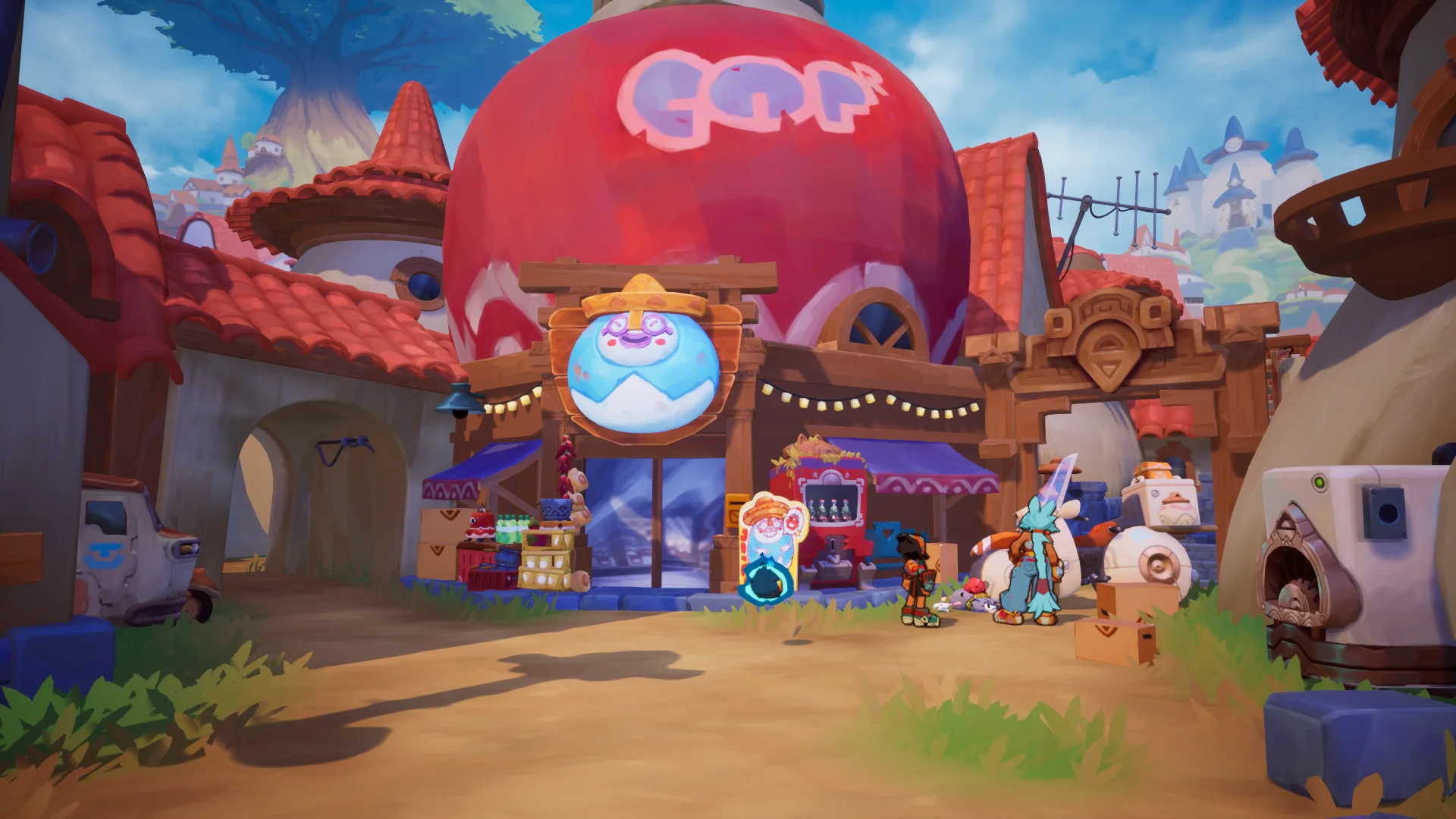
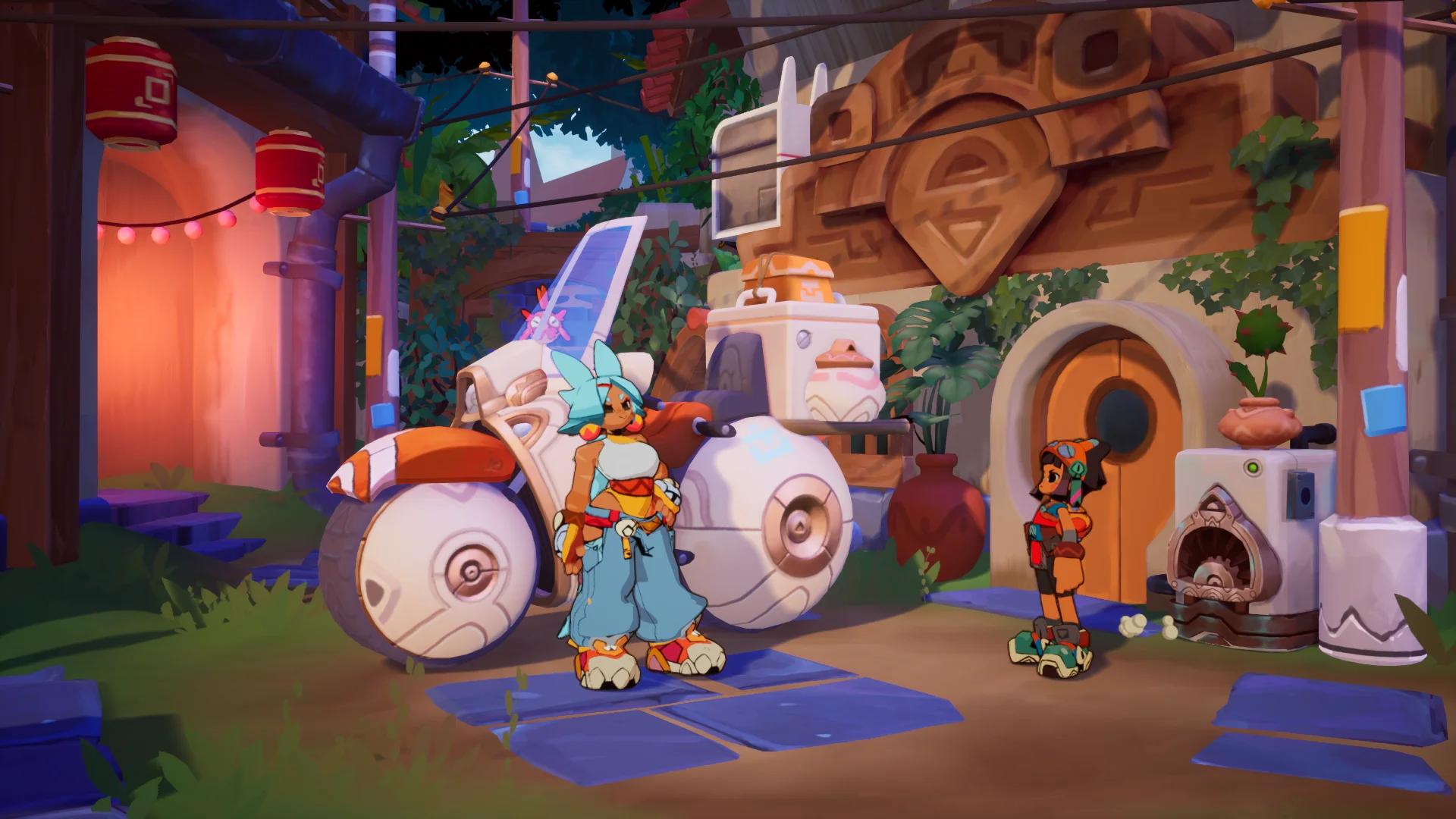
The town of Zoz itself is a masterclass in environmental storytelling. It is a bustling, colorful hub that feels lived-in, populated by an ensemble cast that anchors the player in the setting. There is Boomi, a tireless courier whose athleticism often leads to more trouble than she can handle; Zade, the town’s eccentric junk dealer who repurposes spirit power into devices that look suspiciously like Nintendo 64 cartridges; and Osana, the local smith who carries the weight of the community on her shoulders.
Studio Pixanoh clearly understands that a farming sim is only as strong as its community. The developers have successfully crafted a social framework that makes the player care about these individuals. When the game’s tone shifts toward the darker, more melancholy themes of its second half, it is our investment in these NPCs that keeps the experience afloat.
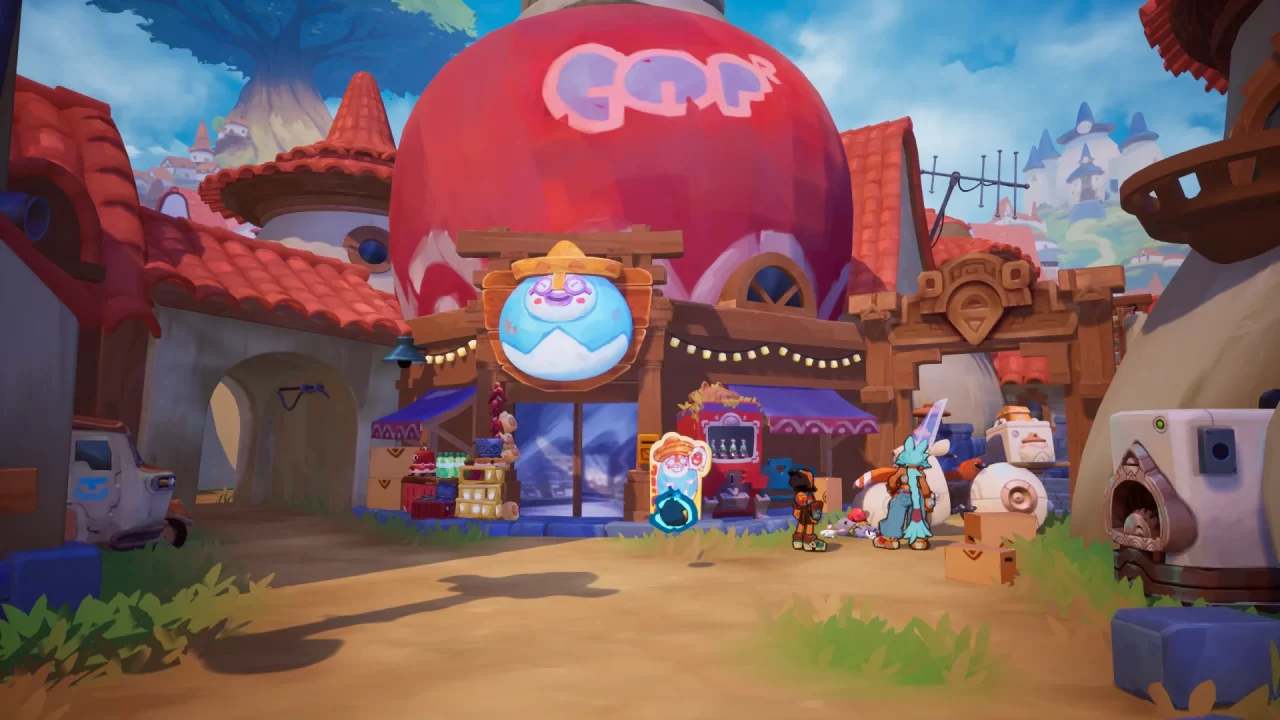
Visually, Town of Zoz is a triumph of art direction. The cutscenes utilize detailed, hand-drawn animation that channels the energy of Saturday morning cartoons, while the in-engine gameplay captures the low-poly, cel-shaded aesthetic of cult classics like Mega Man Legends. The soundscape, a fusion of electronic beats and traditional Latin American instrumentation, creates an auditory identity that is both authentic and otherworldly.
The Mechanical Mismatch: Where the Simulation Stumbles
For all its narrative and aesthetic prowess, Town of Zoz suffers from a severe identity crisis regarding its gameplay loop. Despite being marketed in the vein of Rune Factory—a genre titan known for its seamless integration of dungeon crawling and life simulation—Town of Zoz fails to balance its core pillars.
In this title, the farming and social simulation elements are relegated to the periphery. While Ito has access to plots of land near his home, the act of farming is stripped of the depth that defines the genre. There are no seasonal shifts, no complex calendar systems, and no deep integration with a crafting economy. You plant, you water, and you sell. The lack of stakes or meaningful progression in this system means that the "cozy" gameplay loop—the rhythmic, addictive preparation and management that players expect—is virtually non-existent.
The cooking system, while thematically resonant, suffers from a similar lack of depth. It utilizes a basic quick-time event minigame that feels perfunctory. Furthermore, player agency is frequently undermined by the story; because Eeza often dictates what meals are prepared, the player is robbed of the opportunity to experiment with strategic buffs. When the primary gameplay is 80–90% combat-focused, these light touch-points for simulation feel more like afterthoughts than core features.
Combat and Technical Frustrations: A War of Attrition
The most significant barrier to enjoying Town of Zoz is its combat system. Set against a fixed-angle camera, the combat feels sluggish and imprecise. Ito’s machete combos are slow, and his heavy attacks commit the player to long animations that cannot be canceled. In a game where enemies are fast, aggressive, and deal significant damage, this lack of mobility is a fatal flaw.
The evasion mechanic, a dash that lacks invincibility frames, is often useless. Players will frequently find themselves dashing out of one attack only to be caught in the hitbox of another. Because the game is balanced poorly, the "optimal" strategy is often not to play skillfully, but to simply tank hits and consume items from a seemingly bottomless lunchbox. This turns potentially tense encounters into tedious, repetitive wars of attrition.
The frustration is compounded by "nightmare" segments introduced midway through the game. These sections introduce enemies with bloated health pools. Combined with the clunky combat controls and a stamina-gated movement system—where the player cannot even jump without a full sprint—the platforming and dungeon exploration feel more like an exercise in patience than a test of skill.
Technical Stability and the Path Forward
Beyond the design choices, Town of Zoz is plagued by a host of technical grievances. Frequent crashes, game-breaking bugs that result in soft-locks, and inconsistent texture loading are recurring issues that undermine the game’s artistic beauty. It is difficult to fully immerse oneself in the charming world of Zoz when the technical infrastructure beneath it is constantly threatening to collapse.
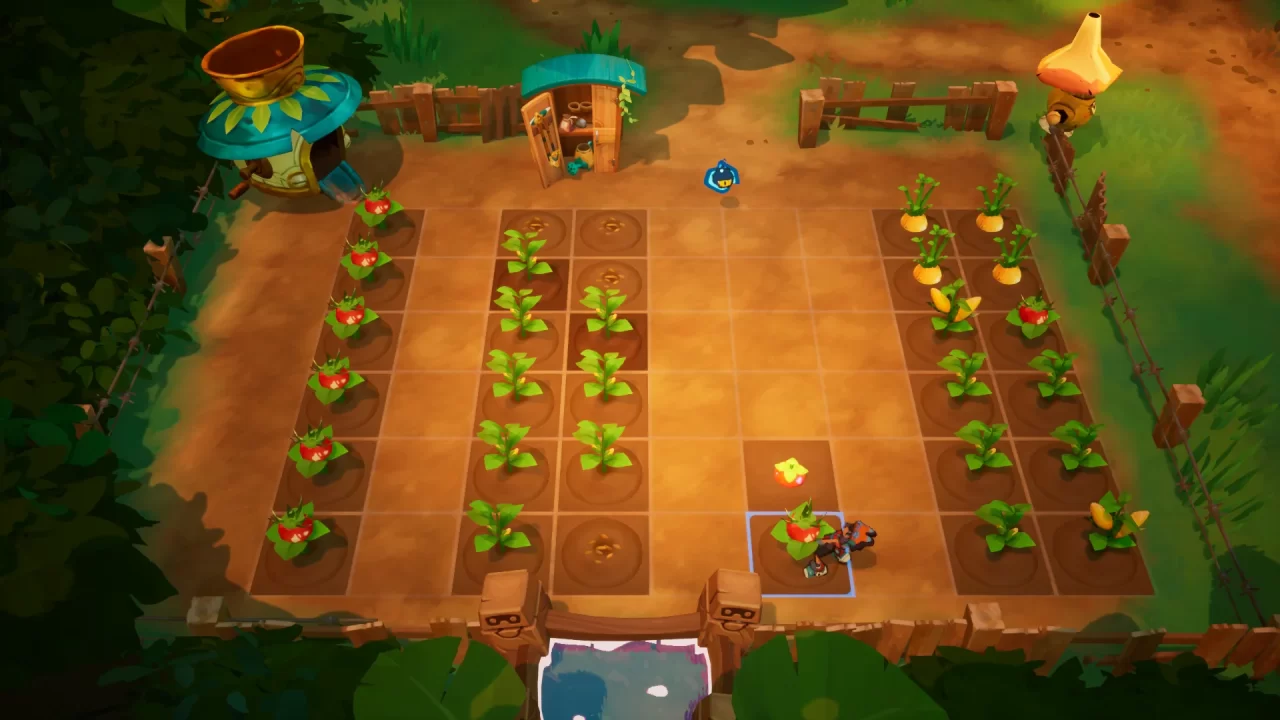
Summary of Key Issues:
- Combat: Sluggish animations, lack of i-frames, and a reliance on damage-sponge enemies.
- Simulation Depth: Farming and cooking feel like shallow additions rather than core systems.
- Platforming: Poorly implemented movement that relies on a stamina-draining sprint.
- Technical Performance: Frequent crashes and stability issues hinder the overall user experience.
Implications for the "Cozy" Genre
Town of Zoz serves as a poignant lesson for developers in the cozy RPG space. Aesthetic charm and a compelling narrative are essential, but they cannot compensate for a lack of mechanical cohesion. The game clearly aims to be a hybrid, but by failing to commit to either the "farming" or the "combat" side of the equation, it ends up occupying an awkward middle ground that satisfies neither demographic.
Studio Pixanoh has created a world that is worth visiting, but the current state of the game makes the visit an arduous one. If the developers can address the technical instability and refine the combat fluidity through post-launch patches, Town of Zoz could be transformed into the hidden gem it clearly wants to be. Until then, it serves as a cautionary tale: a beautiful, heartfelt project that is, unfortunately, held back by its own lack of polish. For those looking for their next farming fix, it may be best to look elsewhere until the dust has settled on the streets of Zoz.