The landscape of digital content creation has undergone a seismic shift. In a remarkably short window—scarcely long enough for the industry to move from initial skepticism to widespread adoption—AI video generation has evolved from a novelty capable of producing uncanny, distorted clips into a powerful engine for professional-grade media.
Today, creators are no longer just experimenting with "Will Smith eating spaghetti" memes; they are synthesizing photorealistic commercials, complex animated explainers, and cinematic short films directly from natural language prompts. However, as the novelty fades, the professional reality sets in: choosing the right AI video generator is no longer about which tool has the best marketing, but which fits into a complex, cost-sensitive, and high-stakes production workflow.
The Evolution of AI Video: A Brief Chronology
The trajectory of AI video mirrors the rapid acceleration seen in Large Language Models (LLMs) and image generation.

- The Early "Uncanny" Era (2022–2023): Initial models prioritized movement, often at the expense of coherence. Early outputs were characterized by morphing faces and "hallucinated" physics.
- The Coherence Breakthrough (2024): Mid-2024 marked a turning point where temporal consistency—the ability to keep characters and backgrounds stable across frames—became the industry standard.
- The Integration Era (2025–2026): As seen with the latest updates from Adobe and Runway, the focus has shifted from "standalone generation" to "ecosystem integration." AI is now a plugin, an assistant, and a post-production tool rather than just a generator.
Analyzing the Market Leaders
For professionals, the choice of a tool involves a delicate balance of visual fidelity, creative control, and cost-efficiency. Here are the five most significant players defining the current market.
01. Adobe Firefly: The Ecosystem King
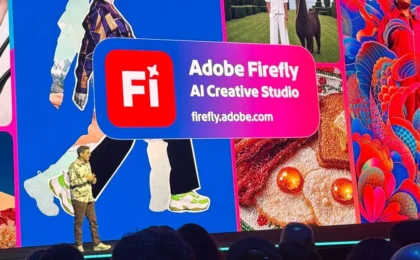
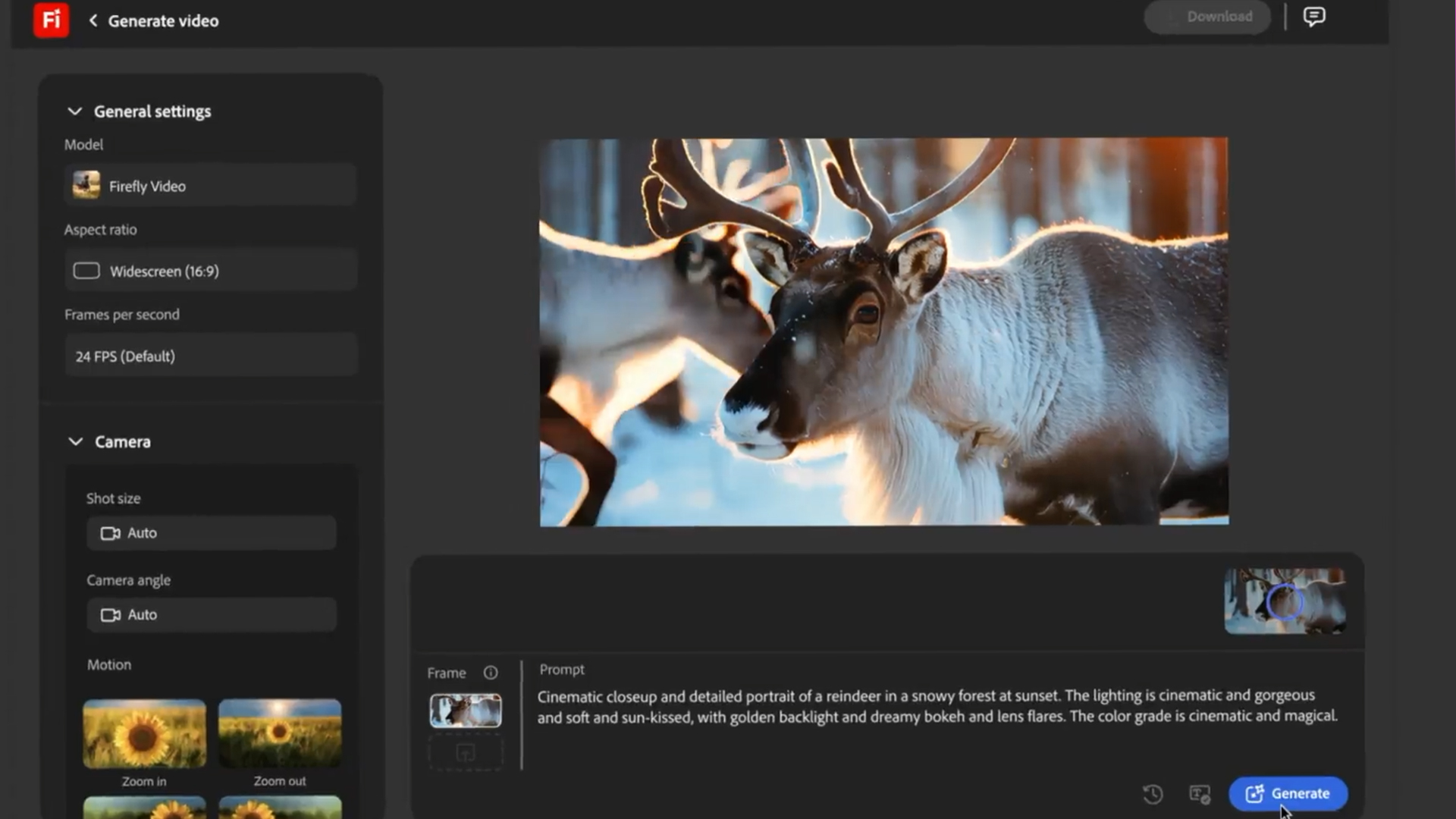
Adobe’s entry into the space has been strategic. Rather than attempting to win on raw "wow factor" alone, Adobe has focused on workflow. By integrating Firefly directly into Premiere Pro and Creative Cloud, Adobe provides a seamless experience for video editors who need to generate b-roll, fill gaps in footage, or iterate on visual concepts without leaving their timeline.
The Professional Edge:
Firefly is currently the only platform that functions as an "aggregator" of high-end AI. Because Adobe has integrated models like Google Veo, Kling, and Runway directly into the Firefly interface, users are not locked into a single technology. Furthermore, Adobe’s commitment to "Firefly-native" models—trained on licensed, non-copyrighted content—offers a level of legal security that many standalone startups cannot currently match.

02. Google Veo 3: The Cinematic Benchmark
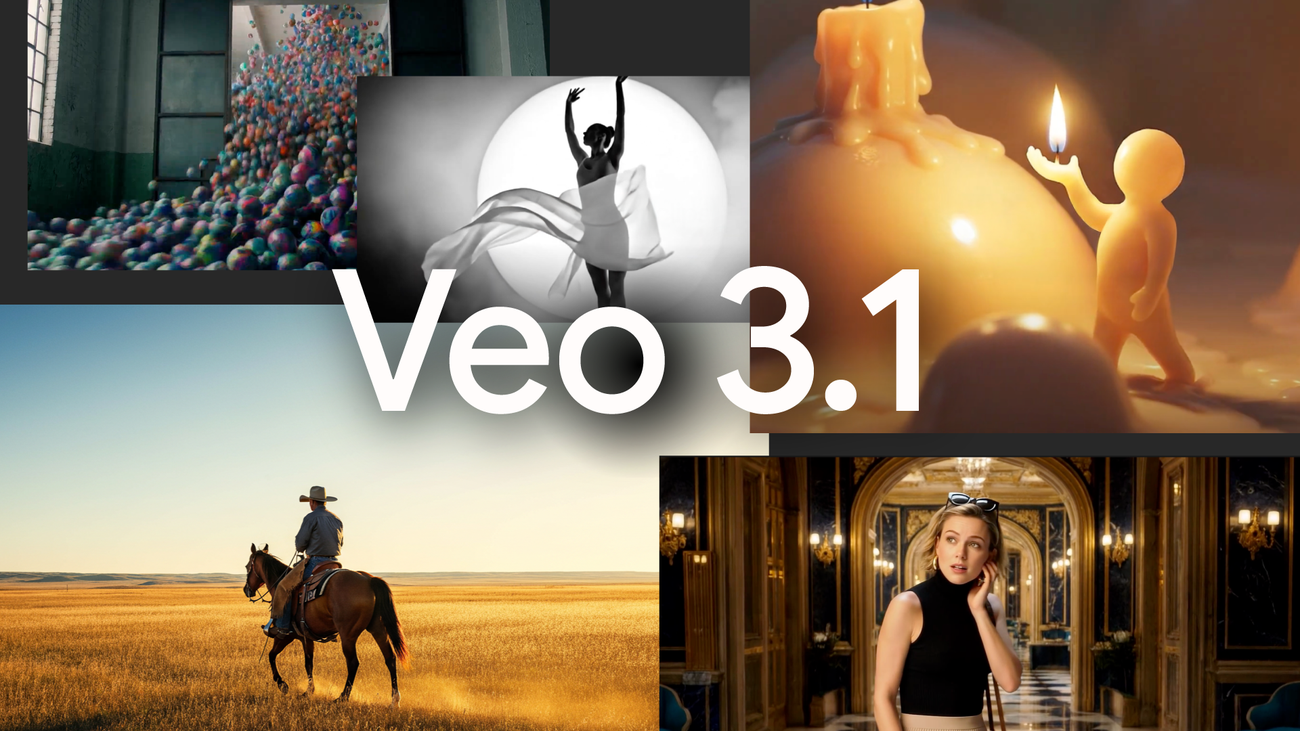
If Adobe is the utility player, Google Veo is the specialist. Veo 3 has set the current gold standard for cinematic realism. Its ability to simulate camera behavior, depth of field, and nuanced environmental lighting is currently unparalleled.
Implications for Production:
Veo is increasingly becoming the preferred tool for high-end advertising agencies. When a project requires a "shot" that looks indistinguishable from a high-budget camera setup, Veo is the default. However, this quality comes at a premium; the cost per second is among the highest in the industry, making it a tool for precision rather than mass-market experimentation.
03. Runway: The Director’s Toolkit
Runway has long been the darling of the professional creative community. While other platforms focus on the "text-to-video" prompt, Runway focuses on "creative control." Its suite of tools—including Motion Brush, Inpainting, and advanced camera controls—allows directors to manipulate the AI’s output with the precision of a post-production artist.
The Learning Curve:
Runway is not a "click-and-go" solution. It requires a deeper understanding of visual effects (VFX) terminology and cinematography. For the professional who needs to remove an object from a background or color-grade a generated clip to match existing footage, Runway’s editing suite is currently the most mature on the market.
04. Kling: The Value-Driven Disruptor
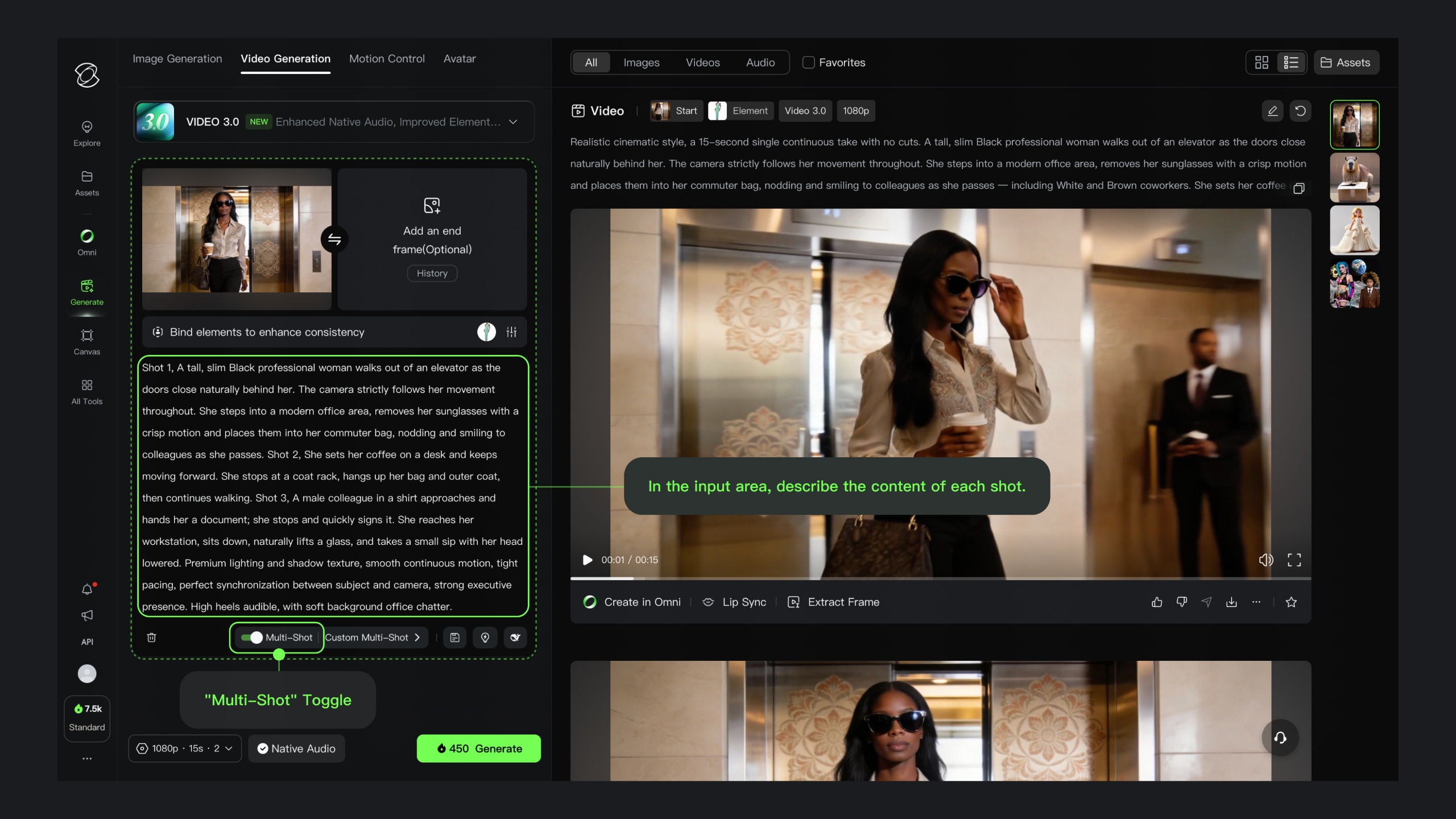
Hailing from the international market, Kling has disrupted the Western-dominated AI space by offering high-quality, long-form motion generation at a fraction of the cost of its competitors.
Why It Matters:
Kling has proven that "good enough" is often the enemy of "perfectly expensive." For YouTubers, social media agencies, and small production houses, Kling offers character consistency and motion quality that rival the expensive US-based models, but with a pricing structure that allows for significantly more "trial and error."
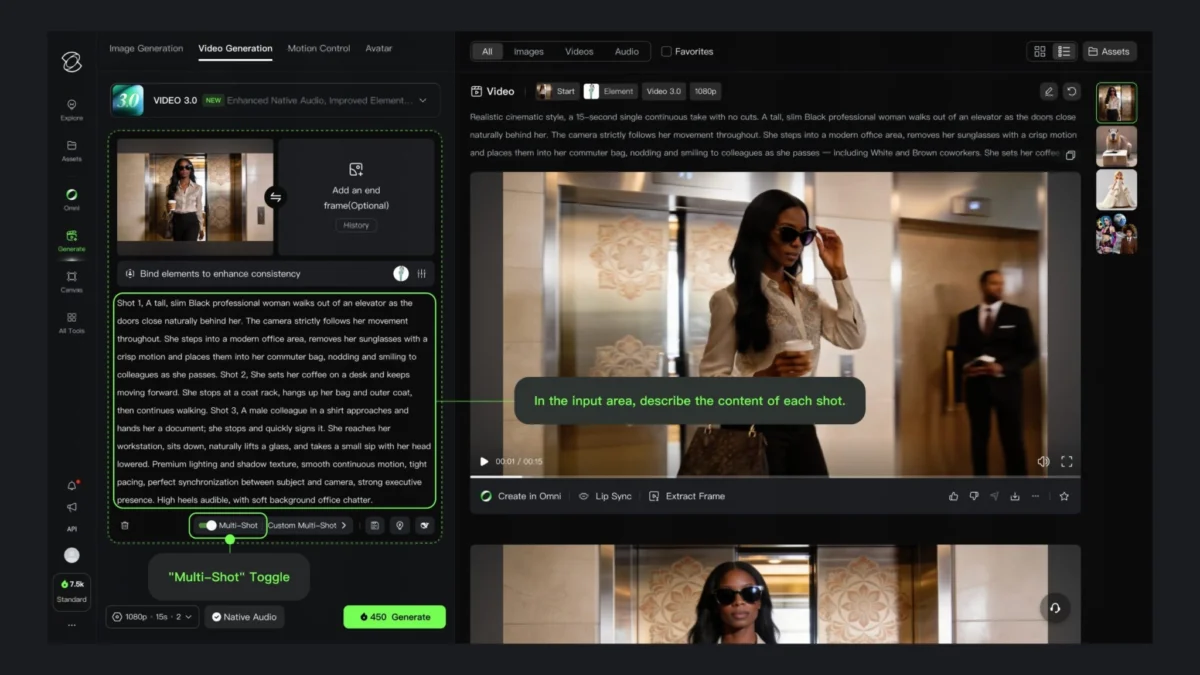
05. Hailuo: The Rapid Ideation Engine
Hailuo excels in the "pre-production" phase. In professional environments, storyboarding and mood-boarding are often time-consuming. Hailuo’s speed allows creators to generate hundreds of iterations in the time it would take to render a single clip on a more complex system. It is the tool of choice for agencies looking to present multiple visual directions to a client in a single morning.
The Hidden Costs: Beyond the Subscription
A common pitfall for organizations adopting AI video is the "subscription trap." Many platforms advertise a low monthly fee (e.g., $10–$15), but this often provides only a token amount of generative credits.
The Mathematics of Production
Professional video production requires iteration. A single 10-second scene might require 20 or 30 generations to achieve the perfect camera movement or character expression.

- Credit Bloat: A "5-second clip" in marketing terms is often a single successful render. In practice, you might consume 500+ credits to achieve that one perfect clip.
- Resolution Costs: Generating at 1080p or 4K, or utilizing "premium" models, often doubles or triples the credit burn rate.
- The "Hidden" Expense: Most users forget to account for the necessary auxiliary software—Premiere Pro, DaVinci Resolve, or After Effects—needed to composite these AI clips into a final deliverable.
Official Stances and Industry Implications
The rise of these tools has triggered significant debates regarding copyright, job security, and the future of film.
Adobe’s Official Stance:
Adobe continues to emphasize "ethical AI." By training their native models on Adobe Stock and public domain content, they are positioning themselves as the "safe" harbor for corporations that fear copyright litigation.
Industry Implications:
- Democratization vs. Commoditization: While these tools lower the barrier to entry, they also threaten to commoditize stock footage. The market for generic b-roll is likely to shrink as creators generate their own bespoke clips in minutes.
- The New "Hybrid" Professional: The industry is moving toward a hybrid role—the "AI-Assisted Editor." These professionals combine traditional NLE (Non-Linear Editing) skills with prompt engineering and AI asset management.
- Legal Unresolvedness: While platforms provide indemnity for enterprise users, the broader legal landscape regarding AI-generated media remains murky. Organizations are advised to maintain clear logs of how their assets were generated.
Conclusion: Which Tool for Which Task?
The "best" AI video generator is entirely dependent on the specific requirements of the production:
- For Enterprise & Commercial Work: Adobe Firefly is the only logical choice due to its integration, legal safety, and ability to bridge the gap between AI and professional post-production.
- For High-Budget Cinematic Shots: Google Veo offers the highest visual fidelity and realistic physics.
- For Creative Control & VFX: Runway remains the gold standard for directors who need to manipulate camera, light, and movement.
- For Budget-Conscious Creators: Kling provides the best balance of quality and cost.
- For Rapid Concepting: Hailuo is the most efficient tool for early-stage ideation.
As we move through 2026, the competitive landscape is shifting weekly. The most successful creatives will be those who refuse to commit to a single platform, instead maintaining a "toolkit" of AI models, selecting the best instrument for each individual shot, and treating AI not as a replacement for human creativity, but as a powerful, high-speed assistant in the service of storytelling.